The Essential Full-Bodied White Wine Guide: Styles, Grapes, and Pairings
A light-bodied white feels like a sip of cool water: crisp, clean, gone in a flash. A full-bodied white stays. It coats the palate with weight and texture, closer to cream than skim milk, and it can stand beside the richest dishes at the table. This is a category that includes some of the most complex whites made anywhere in the world, from oaked Chardonnay out of California to aromatic Viognier from the Northern Rhône and the age-worthy Sémillon blends of Bordeaux. Within that range, the styles vary more than most drinkers expect.
What Makes a White Wine Full-Bodied
Several factors work together to give a white wine its weight on the palate. Understanding them helps explain why two wines made from the same grape can feel completely different in the glass.
Alcohol is the primary driver. Full-bodied whites typically clock in at 13.5% ABV or higher, and that extra alcohol adds viscosity, the physical sensation of richness and density on the tongue. Warm-climate grapes ripen more fully, converting more sugar to alcohol during fermentation. That is why a California Chardonnay feels heavier than a cool-climate Chablis made from the same variety.
Oak aging is the second major contributor. Fermenting or aging wine in new oak barrels introduces vanillin, wood sugars, and a creamy texture that amplifies body considerably. New French oak barrels run $1,200 or more per barrel, and a standard 225-liter barrel holds about 300 bottles, so the investment per bottle is meaningful. Stainless steel, by contrast, preserves crispness and keeps the wine light and lean.
Malolactic fermentation, often abbreviated as MLF, converts the sharp malic acid found in green apples to softer lactic acid, the kind found in milk. The result is a buttery creaminess that defines the texture of many full-bodied whites. A wine that has undergone MLF feels noticeably rounder and more supple on the palate, which is why the technique is nearly universal in premium oaked Chardonnay production.
Lees contact, or sur lie aging, adds another dimension. Dead yeast cells settling in the barrel impart bready, nutty complexity and a silky weight that rounds out the mouthfeel. Stirring the lees, a process called bâtonnage, increases their influence even further. The grape variety itself matters, too. Some grapes, like Chardonnay, Viognier, Marsanne, and Sémillon, naturally produce richer musts than lighter varieties like Pinot Grigio or Sauvignon Blanc. Climate and growing conditions set the stage, but winemaking choices determine how far that potential is realized.
Full-Bodied White Wine Grapes Worth Knowing
Not all full-bodied whites taste the same. The grape variety sets the baseline character, and winemaking decisions build on it from there. Here are five varietal families that define the category, each with a personality distinct enough to make exploring them worthwhile.
1. Chardonnay (Oaked)
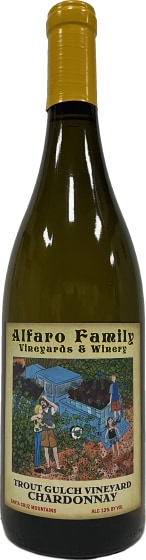
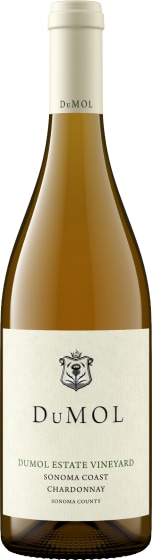
Chardonnay is the most planted white grape in the world and the most recognizable source of full-bodied white wine. The distinction that matters most is oaked versus unoaked. Oaked Chardonnay from warm climates like California and Australia is the archetype of this category: rich, layered, and mouth-filling, with flavors of butter, vanilla, baked apple, and toast. Unoaked versions from Chablis and the Mâconnais sit in medium-bodied territory, with bright acidity and mineral character taking the lead instead. If you see white Burgundy on a label, that is Chardonnay. The grape is versatile enough to span the full body spectrum, which is a large part of why it dominates white wine production globally.
Sonoma Coast, Sonoma County, California ● Chardonnay
97 Jeb Dunnuck
97 James Suckling
96 Robert Parker
96 Vinous
95 Wine Enthusiast
Sold Out - was $95.00
2. Viognier
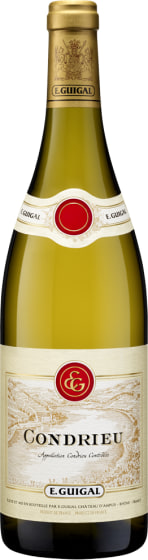
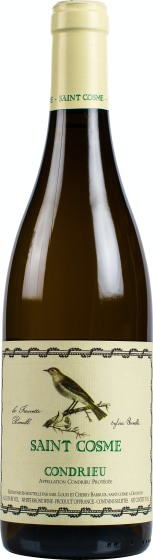
Viognier is aromatic and full-bodied with naturally lower acidity than Chardonnay, which gives it a lush, almost oily texture on the palate. Its flavor profile leans toward stone fruit and flowers: apricot, peach, honeysuckle, and white blossoms. The Northern Rhône appellation of Condrieu is the benchmark, producing wines that combine alcoholic power with a haunting fragrance that can be almost impossibly perfumed. California and Australia grow excellent versions as well, taking advantage of warm climates that let the grape fully express its richness. What sets Viognier apart from other full-bodied whites is that it achieves body without needing oak. The grape's own density and extract provide the weight, making it one of the more distinctive options in this category.
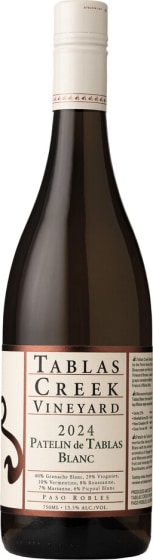
These two Rhône varieties are the classic white blend pairing, each contributing something the other lacks. Marsanne brings weight and a waxy, almost almond-paste texture that anchors the wine. Roussanne adds aromatics and acidity, keeping the blend lifted and preventing it from feeling heavy or flat. Together they appear in Côtes du Rhône Blanc, Hermitage Blanc, and Châteauneuf-du-Pape Blanc, where the blending proportions shape the final character significantly. California's Central Coast and parts of Australia have embraced the combination as well, producing versions that lean into ripe fruit while retaining the Rhône blueprint. Look for flavors of almond, quince, beeswax, and white peach. These are white Rhône blends that reward curiosity and pair beautifully with roasted poultry and herb-driven cuisine.
Cotes du Rhone, Rhone, France ● Rhône White Blends
90 Robert Parker
90 Wine Enthusiast
$21
$19.97
4. White Bordeaux (Sémillon Blends)
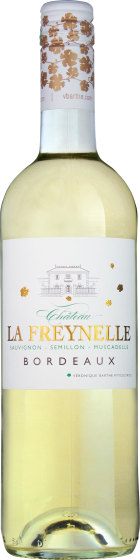
Sémillon is the quiet architect of full-bodied white Bordeaux. It provides weight, waxy texture, and a lanolin-like richness, while Sauvignon Blanc contributes lift and acidity to keep the wine balanced and alive. Pessac-Léognan produces the benchmark dry versions: satiny, complex wines with aromas of beeswax and a minerally vibrancy that develops beautifully with bottle age. White Bordeaux is an underrated source of full-bodied white wine, partly because so much attention goes to the region's reds. These wines age remarkably well, gaining honeyed complexity over five to fifteen years in the cellar. Expect flavors of fig, lemon curd, beeswax, and citrus peel in their youth.
Pessac-Leognan, Bordeaux, France ● Bordeaux White Blends
93 James Suckling
93 Wine Enthusiast
92 Vinous
Sold Out - was $80.00
5. White Rioja (Viura)
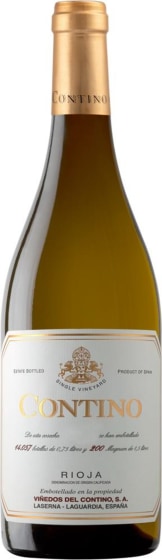
Traditional Rioja Blanco stands apart from every other full-bodied white style. The primary grape is Viura, also called Macabeo, and in its traditional form it spends years in oak, developing an oxidative, nutty richness that has no real parallel in France or the New World. The result is a wine that feels both ancient and surprising: toasted almonds, dried chamomile, baked apple, and honey layered over a core of racy acidity. Counterintuitively, these wines never emerge tasting overtly oaky despite their long barrel residence. White Rioja is Spain's answer to aged white Burgundy, and it remains one of the most distinctive full-bodied whites you can pour for a dinner guest who thinks they have tried everything.
Full-bodied whites perform best when you treat them with the same attention you would give a structured red. Serving conditions and food choices make a real difference in how these wines express themselves at the table.
Serving temperature: 50–55°F (10–13°C), slightly warmer than light whites, which lets the richness and aromatics open up rather than staying muted by cold
Glassware: A wider-bowled glass, like a Burgundy glass, captures aromatics and allows the wine to breathe more than a narrow flute or standard white wine glass would
Rich seafood: Lobster in butter sauce, seared scallops, and crab cakes match the weight and texture of these wines without overpowering them
Poultry: Roast chicken with herbs, turkey with gravy, and chicken in cream sauce are natural companions that echo the richness of an oaked white
Cheese: Aged Gruyère, Comté, and triple-cream Brie complement the wine's weight and add a savory counterpoint
Vegetarian dishes: Mushroom risotto, butternut squash ravioli, and corn chowder bring enough body and earthiness to stand beside a full white
Seasonal framing: Full-bodied whites are natural choices when the weather turns cooler and richer dishes start dominating the table, making them excellent alternatives to red wine through fall and winter
Browse the full white wine collection at Wine.com to find bottles that match your next meal or occasion. Filtering by body style makes it easy to narrow the selection to the weight you prefer.
Full-Bodied White Wine Questions, Answered
Is Chardonnay Always Full-Bodied?
No. Chardonnay is one of the most versatile white grapes in the world, and its body depends almost entirely on how and where it is made. Unoaked Chardonnay from Chablis and the Mâconnais is typically medium-bodied, with bright acidity and mineral character taking the lead. Oaked, warm-climate Chardonnay from California or Australia sits firmly in full-bodied territory, with richer texture and more pronounced vanilla and butter notes. The grape spans the body spectrum depending on winemaking choices, which is part of what makes it so widely planted and so frequently misunderstood.
What Is the Difference Between Light-Bodied and Full-Bodied White Wine?
Body refers to weight and texture on the palate, not sweetness or flavor intensity. A light-bodied white feels crisp and refreshing, similar to water or skim milk in the mouth. A full-bodied white feels rich and mouth-coating, closer to cream. The key drivers behind that difference are alcohol level, oak aging, and winemaking techniques like malolactic fermentation and lees contact. Two wines can share similar flavor profiles but feel very different in body depending on these factors, which is why tasting for texture is just as important as tasting for flavor.
Can Full-Bodied White Wine Age?
Yes, and often better than light whites. Oak-aged Chardonnay, white Burgundy, Sémillon blends from Bordeaux, and traditional Rioja Blanco can develop beautifully over 5 to 15 years or longer. As these wines age, primary fruit flavors evolve into honeyed, nutty, and toasty notes, adding layers of complexity that reward patience. Structure from oak, acidity, and extract gives these wines the backbone to improve rather than fade, making them some of the most cellar-worthy whites available.
What Temperature Should I Serve Full-Bodied White Wine?
Aim for 50–55°F (10–13°C). That is slightly warmer than the temperature you would choose for a light white, which benefits from colder service to highlight freshness. Serving a full-bodied white too cold mutes the rich aromatics and creamy texture that define the category. Pull the bottle from the refrigerator 15 to 20 minutes before serving to let it warm up slightly and show its full character.
Are Full-Bodied White Wines Always Oaked?
No. Oak is one tool among several that builds body, but it is not the only path to a rich, weighty white wine. Viognier is naturally full-bodied without any oak influence at all, relying on the grape's own extract and density. Some skin-contact whites, sometimes called orange wines, achieve body through extended maceration rather than barrel aging. Lees contact and malolactic fermentation can also add weight and texture independent of oak. The category is broader than many drinkers assume, and exploring unoaked full-bodied whites is one of the more rewarding detours in the wine world.
Where to Start with Full-Bodied White Wine
There is no single correct full-bodied white. Whether you gravitate toward a buttery California Chardonnay or a floral Viognier, your preference is personal, and both are valid starting points. The range within this category is wide enough that most palates will find something to love.
Try one bottle from each of the five varietal families in this guide. Comparing them side by side is the fastest way to understand how grape variety, oak, and winemaking shape the weight of a white wine. Pay attention to texture as much as flavor: how the wine sits on your tongue tells you as much as what it tastes like.