The Essential Full-Bodied Red Wine Guide: Grapes, Prices, and Pairings
A full-bodied red wine fills your mouth with weight, warmth, and texture, landing closer to heavy cream than skim milk on the viscosity scale. These wines carry higher alcohol, richer fruit, and firm tannins (the dry, gripping sensation you feel on your gums and tongue), which is why they pair so naturally with braised meats, roasted root vegetables, and slow-cooked stews. The grape varieties behind them, the regions they come from, and the prices they command vary widely.
Full-Bodied Red Wine at a Glance
Two factors drive body in red wine more than anything else: the alcohol level and the tannin content. Alcohol above 13.5% adds a sense of richness on your palate, similar to the way fat adds body to food. Tannin, which comes from grape skins, seeds, and oak barrels, creates that textured, slightly drying grip you feel after a sip. A third factor, called extract, covers everything dissolved in the wine beyond water and alcohol. That includes color compounds, flavor molecules, and the residual sugars that give the wine its depth.
Most full-bodied reds are not made from a single grape variety, even when the label names only one. Premium Cabernet Sauvignon from Napa Valley, for example, typically includes 5–15% Merlot, Cabernet Franc, Petit Verdot, or Malbec. These supporting grapes are not a compromise. They add roundness, aromatic complexity, and softer tannins that make the finished wine more complete. In Bordeaux, blends are the tradition: Left Bank wines run 60–80% Cabernet Sauvignon with the balance filled by supporting varieties. Knowing this helps you understand why two Cabernets can taste so different from each other, even at the same price.
Full-Bodied Reds Worth Knowing
Certain grape varieties naturally produce wines with more weight and structure. Each brings its own personality, and learning the major players gives you a reliable starting point whenever you see them on a label or a restaurant list.
1. Cabernet Sauvignon
Cabernet Sauvignon sets the standard for full-bodied red wine. In Napa Valley and Bordeaux's Left Bank, it delivers blackcurrant, cedar, and dark plum, framed by firm tannins that soften with age. The grape's thick skin is responsible for that tannic structure, which is why young Cabernets can feel tight and grippy on first sip. Decanting for 30 to 60 minutes opens them up considerably. Napa and Bordeaux remain the benchmarks, but strong examples also come from Washington State, Stellenbosch in South Africa, and Coonawarra in Australia.
2. Syrah and Shiraz
Syrah and Shiraz are the same grape, but the wines could not taste more different depending on where they grow. In France's Northern Rhône Valley, Syrah produces dark, peppery wines with notes of smoked meat and black olive. In Australia's Barossa Valley, that same grape becomes Shiraz: bolder, riper, loaded with blackberry and baking spice. Both styles carry generous tannin and full body. The Northern Rhône version rewards patience, while Barossa Shiraz tends to drink well younger.
3. Malbec
Malbec is one of the friendliest entry points into full-bodied red wine. Argentina made this grape famous, producing plush, fruit-forward wines with dark cherry, violet, and cocoa flavors at prices that rarely punish your wallet. The tannins in Malbec tend to be softer than those in Cabernet, which makes it approachable on its own or alongside a weeknight dinner. Mendoza, at high elevation in the Andes foothills, produces the majority of the world's best examples.
4. Zinfandel
Zinfandel is California's signature red, and it often hits 15% alcohol or higher, putting it squarely in full-bodied territory. The flavor profile leans toward ripe blackberry, jam, black pepper, and warm clove, with a warmth that makes it ideal for cold-weather drinking. Lodi and Sonoma County's Dry Creek Valley are the two regions to know. Zinfandel can also show up under its Italian alias, Primitivo, which tends to be slightly leaner but equally bold.
5. Tempranillo
Tempranillo is the backbone of Rioja, Spain's most celebrated red wine region. When aged as Reserva or Gran Reserva, these wines develop flavors of dried cherry, leather, and vanilla from years spent in oak barrels. That extended aging is what separates Tempranillo from flashier grapes: the wines trade raw fruit intensity for complexity and a smoother, more polished texture. Ribera del Duero offers a bolder, more concentrated style of the same grape.
What to Spend on Full-Bodied Reds
Price differences in wine come down to what producers spend on grapes, barrels, and aging before a bottle reaches you. Understanding those costs helps you buy smarter at every level.
1. Everyday Bottles (Under $20)
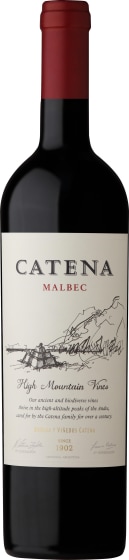
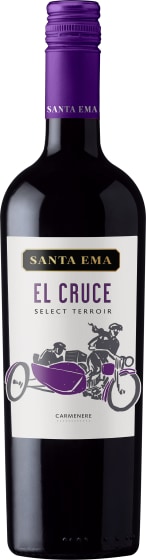
Under $20, you are looking for generous fruit, approachable tannins, and a wine that drinks well the moment you open it. Bottles at this price come from large-scale producers who make tens of thousands of cases, spreading vineyard and cellar costs across enough volume to keep prices accessible. Argentine Malbec is the category leader here, delivering ripe plum and dark berry flavors with soft tannins and enough body to stand up to a Tuesday night pasta with meat sauce. Chilean Carménère offers similar value with a slightly different profile: darker fruit, a hint of green pepper, and smooth texture.
Catena is one of Argentina's most respected producers, and their entry-level Malbec consistently overperforms its price. It shows how Mendoza's high-altitude vineyards concentrate flavor even in large-production wines. For something different, Santa Ema's Carménère from Chile's Cachapoal Valley delivers rich, dark-fruited character that punches above its weight.
Between $20 and $50, you start paying for oak aging, lower grape yields, and greater regional specificity. A single oak barrel that holds about 300 bottles costs over $1,200 when made from French wood, and premium producers at this tier use a significant percentage of new barrels for every vintage. That barrel cost alone can add several dollars per bottle.
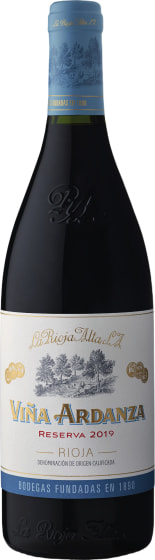
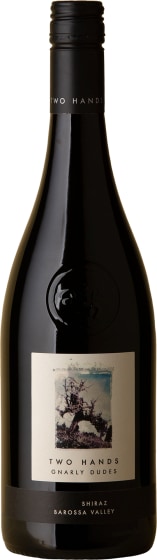
Rioja Reserva is a strong category at this price. Spanish law requires Reserva wines to age at least three years, including one in barrel, before release. La Rioja Alta's Viña Ardanza Reserva is a benchmark: it blends Tempranillo with Garnacha and spends years in American oak, producing a wine with dried cherry, warm spice, and a silky finish. In Australia, Two Hands Gnarly Dudes Shiraz delivers Barossa Valley richness with concentrated blackberry, licorice, and pepper at a price that rewards curious drinkers.
Barossa Valley, Barossa, South Australia, Australia ● Syrah/Shiraz
92 Australian Wine Companion
92 Robert Parker
90 Wine Spectator
$41
$29.97
3. Special-Occasion Pours ($50 and Up)
Above $50, you are buying wines shaped by older vines, stricter fruit selection, longer aging, and smaller production. Vine age matters because older vines produce fewer grapes with more concentrated flavors. Many premium estates use vines that are 25 years old or more for their top bottlings, and hand-sorting at harvest discards a significant percentage of fruit to raise the quality of what remains.
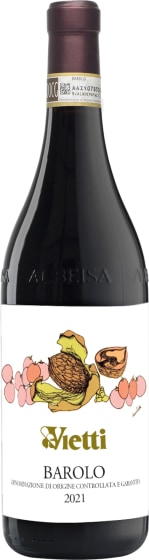
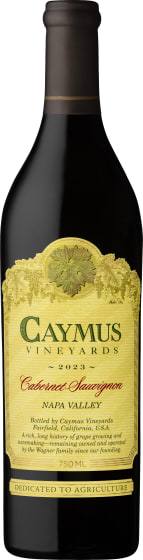
Vietti is one of Piedmont's most respected Barolo producers, crafting Nebbiolo-based wines that balance power with elegance. Their Barolo delivers rose petal, tar, and red cherry with tannins that are firm but refined. Caymus is one of Napa Valley's most recognized names, and their Cabernet Sauvignon delivers dark fruit, vanilla, and a polished texture that reflects careful oak management and ripe Napa fruit. These are wines for a holiday dinner, an anniversary, or any night you want to slow down and pay attention to what is in your glass.
Full-bodied reds and cold-weather cooking are natural partners. The weight and tannin in these wines match the richness of winter dishes, and the flavors overlap in satisfying ways. Here is a starting point organized by what you are cooking, not what you are pouring.
Beef roast or ribeye: Cabernet Sauvignon or a Bordeaux blend. The fat in the beef softens the wine's tannins, and the dark fruit flavors echo the caramelized crust on the meat
Lamb shanks or roasted leg: Syrah from the Northern Rhône or a Rioja Reserva. Both bring savory, herbal notes that complement lamb's natural richness
Beef stew or pot roast: Malbec or a mid-range Cabernet. These wines have enough structure to stand up to long-braised dishes without overwhelming the softer textures
Mushroom risotto or truffle pasta: Nebbiolo (Barolo or Barbaresco) or an aged Tempranillo. The earthy notes in the wine mirror the earthiness of the mushrooms
Barbecue or smoked meats: Zinfandel or Barossa Shiraz. The fruit intensity and spice in these wines match the sweetness and smoke of the food
Rich vegetarian dishes like lentil soup or roasted root vegetables: Grenache or Malbec. Their softer tannins and ripe fruit work well without the need for heavy meat to balance them out
One practical note on serving: pull your bottle from the rack 20 minutes before dinner and aim for 60–65 degrees Fahrenheit, which is cooler than most room temperatures. Young, tannic wines benefit from 30 to 60 minutes in a decanter, which lets the flavors open up and the tannins soften.
Full-Bodied Red Wine Questions, Answered
These are the questions that come up most when people start exploring full-bodied reds. Short, practical answers follow for each.
Is Merlot a Full-Bodied Wine?
Merlot sits in the medium to full-bodied range depending on where it was grown and how it was made. A Merlot from Bordeaux's Right Bank (Pomerol or Saint-Emilion) can be quite rich and structured, while one from a cooler climate might feel more medium-bodied. Merlot generally has softer tannins than Cabernet Sauvignon, which is why it often feels smoother even when the alcohol level is similar. If you enjoy full-bodied reds but find Cabernet too grippy, Merlot is a good middle ground.
How Can I Tell if a Wine Is Full-Bodied Before Buying?
Start with the alcohol percentage on the label: wines above 13.5% ABV tend to have more body, and those above 14.5% are almost always full-bodied. The grape variety is your next clue, since Cabernet Sauvignon, Syrah, Malbec, and Zinfandel are reliably full-bodied regardless of where they are grown. Warm-climate regions like Napa Valley, Barossa Valley, and Mendoza produce bigger wines than cooler areas, so geography is another useful filter when scanning a wine shop or browsing online. Descriptors like "bold," "rich," or "structured" on the back label also signal a fuller style.
Should I Decant Full-Bodied Red Wine?
Young, tannic full-bodied reds almost always improve with 30 to 60 minutes of decanting. Exposing the wine to air allows the tannins to soften and the aromas to open up. Older wines (10 years or more) benefit from a gentle decant to separate any sediment that has formed in the bottle, but they do not need as much air time. For serving temperature, aim for 60–65 degrees Fahrenheit. Most rooms are warmer than that, so a brief chill in the refrigerator (15 minutes) can bring the wine into its ideal range.
What Is the Difference Between Medium-Bodied and Full-Bodied Wine?
The difference comes down to weight and texture on your palate. Medium-bodied wines like Merlot, Sangiovese, or Grenache feel similar to whole milk: present but not heavy. Full-bodied wines like Cabernet Sauvignon, Syrah, or Malbec feel closer to cream: denser, richer, and more coating. Higher alcohol, more tannin, and greater extract all contribute to that heavier sensation. Neither category is better than the other. Medium-bodied wines often pair more flexibly with food, while full-bodied wines excel alongside richer, fattier dishes.
Where to Start With Full-Bodied Reds
There is no single correct full-bodied red, and personal taste should always guide your choices. Whether you gravitate toward the dark fruit and firm grip of Cabernet Sauvignon or the plush approachability of Malbec, the best bottle is the one that fits your dinner, your mood, and your budget.
The variety within this category is one of its strengths. An under-$20 Argentine Malbec and a $75-plus Napa Cabernet both qualify as full-bodied reds, but they deliver completely different experiences. Trying wines across grape varieties, regions, and price tiers is the fastest way to figure out what you like, and Wine.com's selection of 16,000+ wines makes it easy to explore without leaving home.