French wine is organized by place, not by grape. That single idea is the key to French wine for beginners: the label usually names the region a bottle comes from, and the region hints at how the wine will taste. You do not need to memorize a long list of French place names to buy a bottle you will enjoy.
French Wine at a Glance
In the United States, a wine label usually leads with the grape: Cabernet, Chardonnay, Pinot Noir. In France, the label leads with the place instead, like Chablis or Beaujolais, and the grape often goes unmentioned. Behind that place name sits a simple quality system that tells you where the wine really came from.
Why the Label Shows a Place, Not a Grape
French winemakers believe the spot where a grape grows shapes the taste as much as the grape itself. This idea has a name: terroir, which means the soil, climate, and landscape of a vineyard. So a label that reads "Sancerre" is telling you where the wine was made, and locals already know which grape grows there. For a shopper, this means you can learn a handful of regions and then predict the style waiting in the bottle.
What "Appellation" and "Cru" Really Mean
An appellation is a defined wine region with rules about which grapes can be grown and how the wine is made. On labels you will see it written as AOC or AOP, quality stamps that confirm a wine truly comes from where it claims. A cru is a step up: a specific vineyard or village known for higher quality, and some regions rank their best sites this way. A higher tier can be lovely, but you do not need a cru bottle for a great first taste. A simple regional wine is often the friendlier, smarter place to begin.
How French Wine Tastes (And Why It Varies)
The easiest way to choose is to start from a taste you already enjoy. Each French region leans toward a style, so you can pick the flavor first and let the region follow.
A few plain words help before you shop. "Dry" means the wine is not sweet, while "off-dry" means just a touch sweet.
"Tannin" is the grippy, mouth-drying feel some reds leave behind, a bit like strong black tea. "Body" is how heavy or light a wine feels, the way cream feels heavier than skim milk.
Light, crisp whites: dry and refreshing, with citrus and green-apple notes and a clean finish; a good pick if you like something zippy
Aromatic whites: perfumed and floral, sometimes off-dry, with flavors of peach, honey, and baking spice
Light, fruity reds: soft, juicy, and low in tannin, light enough in body to sip on their own
Bold, structured reds: fuller in body and firmer, with darker fruit and more tannin, made for hearty meals
The Major French Wine Regions
France has many wine regions, but a handful cover most of what you will see on store shelves. Six of them make excellent starting points, and each one leans toward a style you can match to your taste. You do not have to try them in order, so begin with whichever flavor sounds best to you.
1. Loire Valley
The Loire Valley follows a long river across northern France and is famous for bright, food-friendly white wines. Its two star grapes are Sauvignon Blanc, which gives crisp citrus and fresh herb flavors, and Chenin Blanc, which can taste dry or lightly sweet depending on the bottle. Most Loire whites are light and refreshing, with easy acidity and gentle, low tannin. That combination makes them one of the friendliest first steps into French wine. If you like a clean, zippy glass that goes with almost any light meal, this is a great place to begin.
Beaujolais sits just south of Burgundy and specializes in light, fruity red wine. It is made from a grape called Gamay, which produces reds full of fresh red-berry flavor and very little tannin. These wines are soft and juicy, and many taste great with a slight chill, even in warm weather. If bigger reds have ever felt too heavy or too grippy for you, Beaujolais is a gentle, welcoming way in. It is also easy on the wallet, which makes it a low-pressure bottle to try.
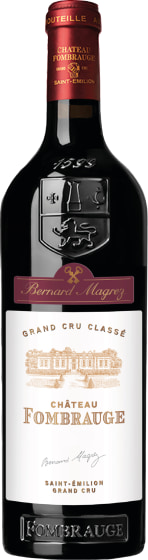
Bordeaux is one of the most famous red wine regions in the world, known for reds that range from smooth to firmly structured. Most Bordeaux reds are blends built around two grapes: Merlot, which adds soft, plummy roundness, and Cabernet Sauvignon, which brings darker fruit and more grip. For an easy entry point with good value, look for labels that simply say "Bordeaux" or "Bordeaux Supérieur." These everyday bottles are approachable rather than intense. They pair naturally with a wide range of dinners, from roast chicken to a weekend steak.
Haut Medoc, Bordeaux, France ● Bordeaux Red Blends
95 James Suckling
95 Wine Enthusiast
93 Vinous
92 Decanter
92 Robert Parker
91 Jeb Dunnuck
90 Wine Spectator
Sold Out - was $39.97
4. Rhône Valley
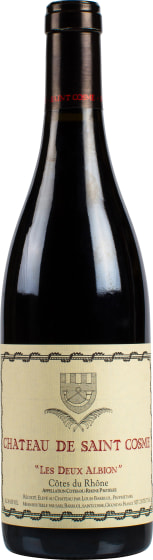
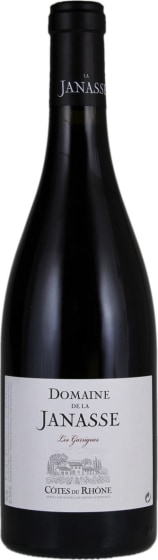
The Rhône Valley runs through southern France and is known for warm, fruit-forward reds with a gentle peppery spice. In the Southern Rhône, most reds are blends led by Grenache, the same grape called Garnacha in Spain, which brings ripe red fruit and a soft, easygoing texture. For dependable beginner value, look for a bottle labeled Côtes du Rhône. These reds feel rich but rounded, without harsh edges. They make an easy match for weeknight meals, pizza night, and casual get-togethers.
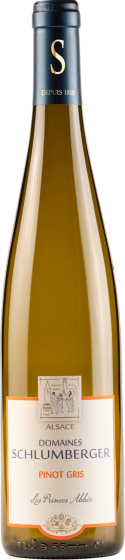
Alsace sits in the northeast corner of France and makes some of the country's most aromatic white wines. Even better for beginners, Alsace labels usually print the grape name right on the front, so there is far less guesswork. Look for Riesling, which is crisp and citrusy; Gewürztraminer, which is floral and perfumed; and Pinot Gris, the very same grape known as Pinot Grigio in Italy. These whites smell inviting and taste clear and expressive. That openness makes Alsace a fun, low-pressure region to explore.
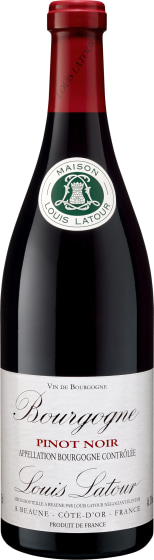
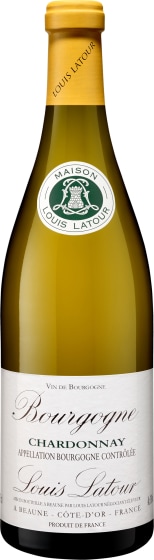
Burgundy is the classic home of single-grape French wine, meaning each bottle is made from one variety rather than a blend. Its reds come from Pinot Noir, which is light to medium in body with soft red fruit, and its whites come from Chardonnay, which ranges from crisp to gently rich. Prices climb fast for the famous villages, so start with a bottle labeled "Bourgogne," the broad regional level. This is the easiest, most affordable way to taste why Burgundy is so admired. It also gives you a reference point for two grapes you will meet all over the world.
Good French wine does not require a big budget. Higher prices usually pay for deeper flavor and fruit from smaller, prized vineyards, not a promise that you will enjoy the wine more.
One reason top bottles cost more is oak. A new French oak barrel costs more than $1,200 and holds only about 300 bottles, so that expense lands on every glass.
Under $20: easy everyday bottles like Côtes du Rhône or basic Bordeaux; a great range for learning what you like
$20–$40: more detail and a smoother feel, often from a specific village or a named appellation
$40–$75+: wines from top vineyards with longer barrel aging, where the added care and cost show up in the glass
What to Eat with French Wine
French wine is built to sit alongside food, so pairing is more forgiving than it looks. Match the weight of the wine to the weight of the meal, and let the occasion guide the rest.
A dinner party: pour an aromatic Alsace white with spiced or savory dishes, since its perfume stands up to bold flavors
A weeknight dinner: open a soft Beaujolais or Côtes du Rhône red, both easy with pasta, roast chicken, or burgers
A gift for a friend: a Bordeaux blend feels classic and generous, and it pairs well with steak or a Sunday roast
A light lunch: a crisp Loire white suits salads, seafood, and fresh cheeses without overwhelming them
Common Questions About French Wine
What French Wine Region Should a Beginner Start With?
Start with an approachable white region like Alsace or Loire, or a light red region like Beaujolais. The simplest way to choose is to follow the taste you already enjoy. If you like crisp, refreshing whites, begin with a Loire Sauvignon Blanc. If you prefer soft, fruity reds, a Beaujolais made from Gamay is hard to beat. Any of these gives you an easy, low-pressure first taste of French wine.
How Do I Read a French Wine Label?
French labels usually lead with the place, not the grape, so the biggest word is often a region or village. That name tells you the style, since each region is known for certain grapes. Look for the letters AOC or AOP, which confirm the wine comes from that named area and follows its rules. If you recognize the region, you already have a good idea of how the wine will taste.
What Is a Good French Red Wine for Beginners?
Beaujolais is one of the easiest French reds to love, with soft, juicy fruit and very little of that drying tannin grip. Côtes du Rhône from the Southern Rhône is another safe bet, offering ripe fruit and a smooth, rounded feel. For something a little more structured, an everyday Bordeaux labeled "Bordeaux" or "Bordeaux Supérieur" delivers classic flavor at a friendly price. All three are low-risk ways to find the red style you like best.
How Much Should I Spend on a Good French Wine?
You can find very good French wine for under $20, so quality starts well below the premium tiers. The $20–$40 range adds more detail and polish if you want to trade up. Spending more mostly buys deeper flavor and fruit from prized vineyards, not a guarantee that you will enjoy it more. Use the price bands above as your guide, and let your own taste decide the rest.
Where to Start with French Wine
You now have a simple plan for buying French wine. Start from the taste you already like, and remember that a French label names a place, not a grape. Great value begins under $20, so pick a region that matches your flavor and you are ready.
That is where a wide selection helps. Wine.com carries more than 16,000 wines, which means every French region and style in this guide is only a search away.
When you are ready to buy, the easiest next step is to compare a few regions side by side. Browse French Wine at Wine.com and start with the flavor that sounds best to you tonight.