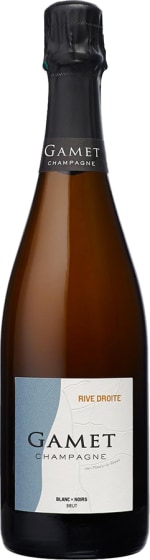
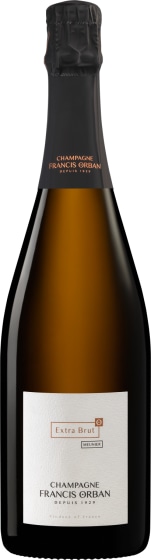
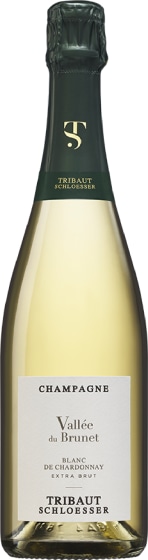
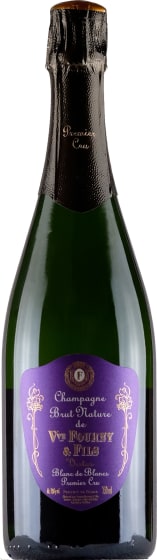
Extra brut Champagne contains between 0 and 6 grams of residual sugar per liter, making it one of the driest styles you can pour. That narrow sugar window leaves more room for the wine itself to speak: the vineyard character, the grape blend, and the producer's house style all come through with sharper focus. Some extra brut bottlings lean crisp and citrus-driven, while others carry toasty depth from extended aging on the lees (spent yeast cells left in the bottle during secondary fermentation).
Extra Brut at a Glance
After a Champagne finishes its second fermentation in the bottle, producers add a small mixture of wine and sugar called dosage. Think of dosage as seasoning: a little can round out the edges, while more adds noticeable sweetness. The amount of sugar left in the finished wine, measured in grams per liter (g/L), determines the Champagne's sweetness category.
Extra brut sits near the dry end of the scale, allowing just 0 to 6 g/L of residual sugar. For context, a standard can of soda contains roughly 100 g/L, so even the sweetest extra brut is barely perceptible. Most producers who choose this style stay well below the 6 g/L ceiling, adding just enough dosage to soften the wine's natural acidity without masking its character.
Two decades ago, the average brut Champagne carried 12 to 15 g/L of dosage. Today that number has dropped to 7 to 9 g/L, reflecting a broader shift toward drier styles across the region. Extra brut and brut nature (the very driest category) are the fastest-growing segments of Champagne, a sign that drinkers increasingly want to taste the wine, not the sugar.
How Extra Brut Compares to Brut and Brut Nature
The practical taste differences between Champagne's dry categories come down to texture and finish more than sweetness itself. Here is where each style falls on the scale:
Brut Nature (0 to 3 g/L): No sugar is added after disgorging. These wines taste taut, mineral, and sometimes austere. They reward experienced palates and high-quality base wines, since there is nothing to mask any rough edges
Extra Brut (0 to 6 g/L): A small touch of dosage adds just enough roundness to make the wine feel approachable while preserving that lean, focused character. This is the sweet spot for drinkers who want dry Champagne with polish
Brut (0 to 12 g/L): The most widely produced style. Brut Champagnes range from quite dry (at 6 or 7 g/L) to noticeably softer and rounder (near 12 g/L). If you have tried Champagne before, you have almost certainly had a brut
One common source of confusion: "extra dry" Champagne is actually sweeter than brut, not drier. Extra dry allows 12 to 17 g/L of residual sugar. The term dates to the 1840s, when it was created for the British market and genuinely was the driest style available. Brut came later, pushing the scale even drier, and extra brut pushed it further still. The names stuck even as the sweetness levels shifted beneath them.
How Extra Brut Champagne Tastes
Extra brut Champagne leads with acidity and mineral precision. Without much dosage to round things out, you taste the raw character of the grapes and the chalk-rich soils that define the region. Expect bright citrus and green apple on the nose, with a lean, focused texture on the palate that finishes clean and often with a faint saline quality.
Grape blend shapes the style significantly. A blanc de blancs (made entirely from Chardonnay grapes) extra brut tends toward lemon zest, white flowers, and a knife-edge acidity that makes it feel electric and refreshing. A blanc de noirs (made entirely from Pinot Noir grapes, or sometimes Pinot Meunier) leans into richer territory: red apple, toasted brioche, and a slightly broader mouthfeel. Most extra brut Champagnes blend all three grapes, landing somewhere in between with stone fruit, chalk, and subtle yeastiness.
Extended aging adds another dimension. Champagne must spend a minimum of 15 months aging on the lees for non-vintage bottlings and three years for vintage-dated wines. Prestige cuvées often rest even longer. That time in contact with the spent yeast builds complexity: hazelnut, pastry cream, dried apricot. In an extra brut wine, these developed flavors sit against a backdrop of bracing acidity rather than sugar-softened richness, so the effect is something like a well-seasoned broth: layered but never heavy.
What to Spend on Extra Brut Champagne
Champagne is the most expensive sparkling wine region in the world to produce, and there is a straightforward reason. The traditional method, called méthode champenoise, requires a second fermentation inside each individual bottle, followed by months or years of aging, hand-riddling or gyropalette turning, disgorgement, and dosage. Every step adds time, labor, and cost before the wine reaches you.
Extra brut bottlings can cost slightly more than their brut counterparts from the same producer, because the lower dosage demands higher-quality base wines. When there is less sugar to smooth things over, flaws have nowhere to hide. That said, you can find excellent extra brut Champagne at several price points.
1. Under $55: Everyday Extra Brut
This tier is your entry point, and it is a rewarding one. Grower Champagnes (wines made by the same family that farms the vineyards, rather than large houses that buy grapes from many growers) show up frequently here, offering distinctive personality at accessible prices. Look for wines with fresh, citrus-forward profiles and lively acidity. These are the bottles to reach for when you want dry Champagne on a weeknight, with takeout sushi, or as an aperitif before dinner with friends.
-
Champagne, France ● Non-Vintage
-
92 Wine
Spectator -
90 Jeb
Dunnuck -
90 Vinous
-
Champagne, France ● Non-Vintage
-
93 Wine
& Spirits -
91 James
Suckling -
91 Robert
Parker -
90 Jeb
Dunnuck
2. $50 to $100: The Sweet Spot
This is where extra brut Champagne starts to show real depth. Producers at this level typically source fruit from Premier Cru or Grand Cru communes, villages rated 90 to 100 percent on Champagne's échelle des crus, the regional quality ranking system that grades vineyards based on their proven ability to produce exceptional grapes. The wines spend more time on the lees, developing toasted almond, honey, and biscuit notes that add complexity without competing with the dry finish. For a dinner party, a holiday table, or a gift, this tier delivers both quality and discovery.
-
Champagne, France ● Non-Vintage
-
Champagne, France ● Non-Vintage
-
93 Wine
& Spirits -
92 Robert
Parker -
91 Wine
Spectator
3. Over $100: Grand Cru and Prestige Cuvées
At the top of the range, you find single-vineyard bottlings, prestige cuvées, and wines from the most acclaimed Grand Cru villages. These Champagnes often age five years or more on the lees before release, building layers of candied citrus peel, roasted hazelnut, smoke, and mineral complexity. The extra brut format at this level is a deliberate stylistic choice, allowing the vineyard's character and the producer's craft to take center stage. Open one for a milestone dinner alongside raw seafood or aged cheese, and you will understand what all that time in the cellar was for.
-
Champagne, France ● Non-Vintage
-
95 James
Suckling -
94 Decanter
-
93 Wilfred
Wong
-
Champagne, France ● Non-Vintage
-
95 Wine
Spectator -
92 Vinous
-
92 Wine
& Spirits -
91 Robert
Parker
What to Eat with Extra Brut Champagne
Extra brut Champagne's high acidity and dry finish make it one of the most versatile food wines you can open. The lack of residual sugar means the wine acts as a palate cleanser between bites, refreshing your mouth and stepping aside so the food's flavors stay front and center. Here are the pairings that work best:
Raw seafood: Oysters on the half shell, sashimi, ceviche, and crudo are classic Champagne companions for a reason. The wine's minerality and bright acidity mirror the ocean-fresh flavors of the fish. Extra brut is particularly good here because there is no sweetness to clash with the brininess
Fried and rich dishes: Tempura, fried chicken, potato chips, or creamy risotto. The bubbles and acidity cut through fat and oil, resetting your palate between bites. This is one of the most satisfying pairings you can try at home
Sharp and aged cheeses: Comté, aged Gruyère, Parmigiano-Reggiano. The salty, crystalline textures of these cheeses play beautifully against the wine's lean, citrus-driven profile
Light poultry: Roast chicken with herbs, chicken salad, or turkey. Lighter proteins let the Champagne's nuances come through without being overpowered
What to skip: Very sweet desserts (chocolate cake, caramel tarts) and heavily spiced dishes (fiery curries, barbecue with sweet glaze) tend to overwhelm extra brut's delicate balance. For those foods, a demi-sec Champagne with more residual sugar works better
Extra Brut Champagne Questions, Answered
Is Extra Brut Champagne Good for Beginners?
It depends on what you enjoy in other drinks. If you tend to prefer dry white wine, unsweetened sparkling water, or cocktails without added sugar, extra brut Champagne will likely feel natural and appealing. If you usually reach for sweeter beverages, starting with a standard brut might be more comfortable. The good news is that there is no wrong answer. Trying a bottle alongside a brut from the same producer is one of the best ways to learn what your palate prefers, and the comparison usually makes both wines more interesting.
Why Is "Extra Dry" Champagne Sweeter Than Brut?
The naming convention is a historical artifact. In the 1840s, Champagne was a very sweet wine by modern standards. When producers like Perrier-Jouët began reducing sweetness for the British market, "extra dry" genuinely was the driest option available. Later, "brut" was introduced as an even drier category, followed by "extra brut" and eventually "brut nature." The names were never updated to match the new reality, so the scale reads backward to modern ears. The key is to remember: drier to sweeter runs brut nature, extra brut, brut, extra dry, and then into the noticeably sweet styles.
How Should You Serve Extra Brut Champagne?
Chill the bottle to about 46 to 50 degrees Fahrenheit (8 to 10 degrees Celsius). This is slightly cooler than you might serve a richer brut, because the lower sugar content means warmer temperatures can make the acidity feel sharp. A tulip-shaped glass or a white wine glass works better than a traditional flute: the wider bowl lets you catch the wine's aromas, which is especially important in a dry style where aromatic complexity carries much of the pleasure. Open the bottle with a gentle twist of the base rather than a dramatic pop to preserve the fine, persistent bubbles.
What Is the Difference Between Extra Brut and Zero Dosage?
Zero dosage Champagne, also labeled brut nature or non dosé, contains 0 to 3 g/L of residual sugar and receives no added dosage at all after disgorging. Extra brut allows up to 6 g/L and typically includes a small dosage addition. In practice, the difference is subtle: zero dosage wines tend to taste slightly more austere and angular, while extra brut carries a barely perceptible roundness from that minimal sugar. Both styles demand excellent base wines, since neither has enough dosage to correct for imperfections in the fruit or the fermentation.
Where to Start with Extra Brut Champagne
If you like dry white wine and want Champagne that lets the vineyard do the talking, extra brut is the category to explore. The style pairs with raw seafood and fried dishes equally well, works at every price tier from weeknight grower bottles under $55 to Grand Cru prestige cuvées, and rewards the kind of side-by-side tasting that makes wine genuinely fun to learn about.
Start with a single bottle from any tier that fits your budget, then try one from a different price range or grape blend. Comparing a Chardonnay-dominant blanc de blancs against a Pinot-driven bottling is one of the fastest ways to figure out what your palate gravitates toward in dry Champagne.
Wine.com carries one of the widest selections of extra brut Champagne available online, spanning grower estates, Premier Cru blends, and Grand Cru prestige cuvées. Browse Extra Brut Champagne at Wine.com