Dry Rosé Wine, Explained: Styles, Regions, and What to Buy
A dry rosé is a pink wine with little to no residual sugar, fermented until nearly all the grape sugar converts to alcohol. The category spans pale, mineral-driven bottles from Provence to richer, fruit-forward pours from California and Spain. That range is exactly what makes dry rosé one of the most versatile wines on any shelf.
Dry Rosé at a Glance
The word "dry" in wine means the opposite of sweet. A dry rosé typically contains fewer than four grams of residual sugar per liter, which is below the threshold most people can taste. For comparison, a sweeter pink wine like White Zinfandel can carry 20 grams or more per liter.
Spotting a dry rosé on the shelf is easier than it sounds. Region is the fastest shortcut. Bottles from Provence, Tavel, Bandol, Navarra, and most of Italy's rosato regions are almost always dry. Grape variety helps too: Grenache, Cinsault, Mourvèdre, and Sangiovese tend to produce dry styles, while labels that emphasize "blush" or don't mention a grape at all may lean sweeter.
Production method also plays a role. Direct-press rosés, where the juice spends only a few hours on the grape skins before pressing, tend to be lighter in color and crisper in style. Saignée rosés, which are bled off from a red wine fermentation, often have deeper color and more body. Both methods can produce bone-dry wines. The color of a rosé tells you about skin contact time, not sweetness.
The Best Dry Rosé Wines by Region
Dry rosé is made across the wine-producing world, and each region puts its own stamp on the style. The differences come down to grape varieties, climate, and local winemaking traditions.
1. Provence, France
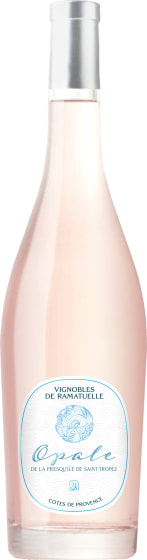
Provence is the reference point for dry rosé worldwide. The region's blend of Grenache, Cinsault, and Syrah produces pale salmon-colored wines with a signature mineral streak, accented by citrus and red berry. Most Provence rosé is made by direct press, which keeps the wines light, crisp, and refreshing.
The dry Mediterranean climate and limestone soils give Provence rosé a lean, saline quality that separates it from fruitier New World styles. These wines are built for warm-weather drinking, pairing easily with grilled fish, salads, and charcuterie. If you have never tried a dry rosé before, Provence is the place to start.
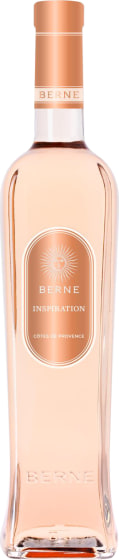
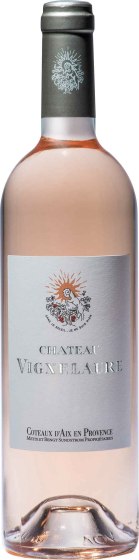
Coteaux d'Aix-en-Provence, Provence, South of France, France ● Rosé
92 Wine Enthusiast
$31.97
$31.97
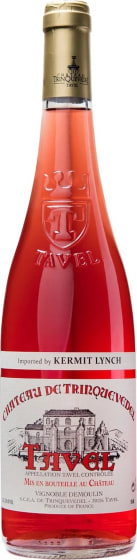
2. Tavel and the Southern Rhône, France
Tavel holds a unique distinction: it is the only French appellation dedicated exclusively to rosé. Where Provence leans pale and delicate, Tavel goes deeper in color and bolder in flavor. Grenache dominates the blends here, delivering cherry, garrigue, and warm spice notes with a fuller body.
Southern Rhône rosés from neighboring appellations like Côtes du Rhône share a similar warmth but tend to be lighter. Tavel's structure makes it one of the few rosés that can stand up to richer dishes like lamb burgers, roasted vegetables, and hearty grain salads. Pour it slightly cooler than you would a red, around 50°F, to keep its fruit bright.
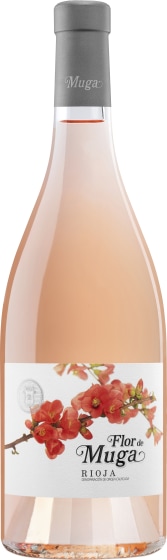
Spain's rosado tradition predates the modern Provence rosé craze by decades. Navarra has been producing dry, Garnacha-based rosé since the mid-twentieth century, and Rioja's rosados remain some of Europe's best values. The grape here is Garnacha, the Spanish name for Grenache, and it delivers bright strawberry, watermelon, and herb flavors.
Spanish rosados tend to have slightly more body than their Provençal cousins, with a round, fruit-driven character that makes them crowd-pleasers at cookouts and casual dinners. Look for "rosado" on the label. It is a reliable signal that the wine inside is dry and food-friendly.
Italian rosato flies under the radar, but it delivers some of the most food-versatile dry rosé available. Puglia's Negroamaro-based bottlings are savory and herbal with a touch of bitter almond on the finish. Abruzzo's Cerasuolo, made from Montepulciano, leans brighter with tart cherry and a crisp backbone.
Then there is Bardolino Chiaretto from the shores of Lake Garda, where Corvina and its cousins produce a pale, mineral rosé that drinks like a lighter version of Provence. Italian rosatos tend to shine brightest at the table, especially alongside grilled seafood, pizza, and antipasti platters. These are wines built for eating with.
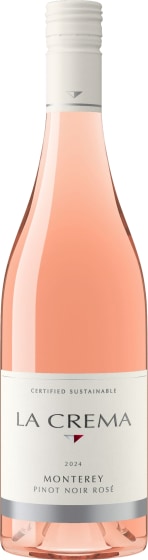
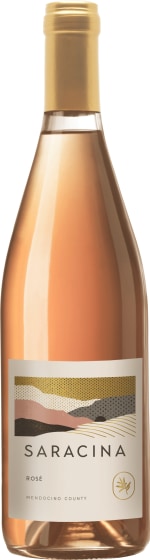
American dry rosé has come into its own over the past decade. California leads the way with rosés made from Pinot Noir, Grenache, and Mourvèdre, sourced from Sonoma, the Central Coast, and beyond. These wines tend to show riper fruit flavors like peach, raspberry, and melon, with a slightly fuller body than European counterparts.
One important distinction: dry rosé made from Zinfandel is a completely different wine from White Zinfandel. White Zin is a sweet, mass-produced pink wine. A dry Zinfandel rosé, on the other hand, has real structure and spice. Oregon's Willamette Valley also produces excellent Pinot Noir rosé with a leaner, more acid-driven profile closer to Burgundy in style.
Dry rosé is one of the most versatile food wines you can open, and it earns that reputation at the grill. A chilled bottle of Provence or California rosé handles smoky, charred flavors without the heaviness of a red, making it a natural fit for summer barbecue. Serve it at 45–50°F for the best balance of fruit and acidity.
Grilled chicken and sausages: Rosé's acidity cuts through char and fat, while its fruit complements smoky seasoning and marinades
Burgers and pulled pork: Fuller-bodied styles from Tavel or Spain hold up to bold barbecue flavors without overwhelming the plate
Grilled shrimp and fish tacos: Lighter Provence-style rosés match delicate seafood with a clean, mineral finish
Brunch spreads: Rosé pairs well with eggs Benedict, smoked salmon, fruit salads, and quiche, handling sweet and savory together
Weeknight pasta and pizza: Italian rosato and red-sauce dishes share a savory, herbal backbone that makes them natural partners
Cheese boards: Soft, creamy cheeses like Brie and fresh goat cheese work well, along with aged Manchego and mild Gruyère
Dry rosé also works as an aperitif on its own. A well-chilled glass before dinner sets the tone without filling you up the way a heavy pour of red might.
What to Spend on Dry Rosé
Dry rosé delivers strong value across every price point, but each tier offers something different. The gap between a $10 bottle and a $40 bottle has less to do with quality tricks and more to do with where the grapes come from and how the wine is made.
1. Everyday Pours: Under $15
At this tier, you are getting fresh, uncomplicated rosé designed for immediate drinking. Southern French blends, Spanish rosados, and Italian rosatos dominate this range, offering bright fruit, clean acidity, and enough character to hold up at a picnic or a Tuesday dinner. These wines are not trying to impress. They are trying to refresh, and they do it well.
The value here comes from scale: larger production zones like the Pays d'Hérault and Provence's broader appellations can source quality fruit in volume, keeping costs low without cutting corners on winemaking. That efficiency means you get a clean, well-made rosé without paying for vineyard prestige.
This is where most drinkers will find their favorite rosé. The $15–$30 range opens up access to Bandol, premium Provence cuvées, structured Italian rosatos, and top California bottlings. You start tasting more complexity here: longer finishes, layered aromatics, and a texture that rewards slower sipping.
Many premium estates in this range require minimum vine ages of 15–25 years for their flagship bottlings, which concentrates the fruit and adds depth that younger vines cannot match. This is the tier to explore if you want rosé that holds your attention past the first glass.
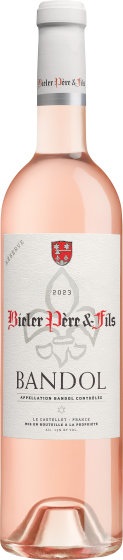
Above $30, you enter the territory of estate-grown, single-vineyard rosé from top-tier appellations. Bandol leads this category, where producers like Domaines Ott and Château Vannières farm old vines at low yields and age their wines longer before release. Single-vineyard bottlings typically yield one to two tons per acre versus four to six tons for broader regional blends, which drives both concentration and cost.
These are rosés with real ageability and structure, closer in ambition to serious white wines than to casual summer sippers. If you have a dinner party or a special occasion that calls for something memorable, this tier delivers.
Check the region first. Rosés from Provence, Tavel, Bandol, Navarra, Rioja, and most Italian rosato appellations are dry by tradition and regulation. Grape variety is another clue: Grenache, Mourvèdre, Cinsault, and Sangiovese almost always produce dry styles. If the label says "rosado," "rosato," or "Chiaretto," the wine is almost certainly dry. Avoid bottles labeled "blush" or those with back-label descriptors like "off-dry" or "semi-sweet." When in doubt, look for an alcohol level of 12% or higher, which often correlates with a fully dry fermentation.
What Is the Difference Between Dry Rosé and White Zinfandel?
The two are different wines in nearly every way. Dry rosé is fermented until the sugar is gone, typically landing below four grams of residual sugar per liter. White Zinfandel, by contrast, retains significant sweetness, often around 20 grams per liter or more. Dry rosé is also lighter in color and lower in residual sugar than most White Zin. The grapes, the winemaking, and the intended drinking occasion are all different. If you like the idea of pink wine but prefer savory over sweet, dry rosé is the category for you.
Does Dry Rosé Pair Well with Grilled Food?
It does, and for a straightforward reason: dry rosé has enough acidity to cut through smoke and char while its fruit flavors complement marinades, rubs, and sauces. Lighter styles from Provence work with grilled fish and vegetables. Fuller styles from Tavel and Spain handle burgers, sausages, and ribs. Serve the bottle cold, around 45–50°F, and keep it in an ice bucket while you eat. Rosé loses its edge when it gets warm, so refill your glass often.
How Long Does Rosé Last After Opening?
Most dry rosé stays fresh for two to three days after opening if you reseal the bottle and refrigerate it promptly. Lighter Provence-style rosés may start to lose their brightness after the second day. Fuller-bodied Tavel and Bandol rosés tend to hold a bit longer, sometimes to day three or four. If you want to extend the window, use a vacuum pump to remove air from the bottle before refrigerating. Once the fruit fades and the wine starts tasting flat, it has passed its peak.
Picking Your Dry Rosé
For a backyard barbecue, grab a Provence or Spanish rosado in the under-$15 range and chill it to 45°F. For a dinner party where you want the wine to spark conversation, a structured Bandol or Tavel in the $15–$30 tier gives you complexity without the price tag of a splurge bottle. And for a cheese board with friends, an Italian Chiaretto brings the kind of savory crispness that keeps everyone reaching for the bottle.
The best way to find your favorite dry rosé is to try bottles from different regions side by side. Open a pale Provence next to a deeper Tavel or a fruit-forward California pour, and the differences become obvious in the glass. Each region makes the case for dry rosé in its own way, and the variety across the category is half the fun.
Wine.com carries dry rosé from every major region covered here, at every price point. Browse Dry Rosé at Wine.com and find the bottle that fits your next occasion.