Dry Rosé Food Pairing, Explained: Styles, Dishes, and What to Pour
Dry rosé is one of the most pairing-friendly wines you can open. Its combination of bright acidity, red-fruit flavor, and light-to-medium body lets it move from raw oysters to grilled lamb chops without missing a step. This is a year-round food wine, not a seasonal sipper, and the range of dishes it handles is wider than most drinkers expect.
Dry Rosé at a Glance
Dry rosé spans a broad spectrum. At one end, pale Provence rosé wines made from Grenache and Cinsault deliver mineral-driven acidity and restrained fruit. At the other, deeper-hued bottlings from Mourvèdre or Syrah lean into richer berry flavors and fuller texture. The grape variety and the length of skin contact during winemaking determine where a rosé lands on that spectrum, and that position shapes which foods it complements best.
Most dry rosé is made by one of two methods: maceration, where red grape skins steep briefly with the juice to extract color and flavor, or saignée, where juice is bled off a red wine fermentation early. Both techniques produce wines with enough structure to stand up to food and enough freshness to keep a meal lively.
What makes dry rosé so versatile at the table is the balance between acidity and fruit. The acidity cuts through richness in heavier dishes the way a squeeze of lemon brightens grilled fish. The fruit, meanwhile, bridges flavors that would clash with a tannic red or a lean white. That dual role is why a single bottle of rosé can work across an entire multi-course meal.
How Grape and Color Shape the Pairing
Lighter, paler rosés built on Grenache and Cinsault tend to pair best with delicate foods. Think raw shellfish, green salads, fresh cheeses, and simply prepared fish. Their crisp acidity and subtle strawberry or citrus notes complement without competing.
Deeper rosés, often made from Mourvèdre, Syrah, or Tempranillo, carry more weight and more pronounced berry character. These are better suited to grilled meats, hearty stews, and dishes with bold seasoning. A darker rosé from Tavel can handle roasted pork or lamb nearly as well as a light red.
The practical takeaway: match the wine's weight to the dish's weight. Pale and crisp for light preparations, deeper and fuller for richer ones. That principle works for any rosé pairing you put together.
The Best Pairings by Dish
Dry rosé earns its reputation as a food wine one plate at a time. The key is matching the wine's body and fruit intensity to what you are eating. Lighter rosés handle delicate preparations, while fuller-bodied styles step in for richer dishes. These pairings are organized by food category, starting with the one where rosé does its best work.
1. Seafood and Shellfish
Seafood is where dry rosé pairing really shines. The wine's acidity mirrors the brightness of a good squeeze of lemon, and its fruit fills in the gap that most whites leave when a dish carries some richness.
For raw-bar staples like oysters, ceviche, and shrimp cocktail, reach for a pale, mineral-driven Provence-style rosé. The crisp acidity and faint salinity in these wines echo the ocean flavors on the plate. Keep the wine cold, around 45°F, and let it act as a palate cleanser between bites.
Grilled fish like salmon and swordfish calls for a rosé with a bit more body. A Grenache-based rosé from Côtes de Provence has enough fruit weight to match the char and richness of oily fish on the grill. The wine's acidity keeps the pairing from feeling heavy, even with a butter or herb sauce.
Rich seafood preparations deserve a fuller rosé. Lobster in drawn butter, bouillabaisse, and seafood paella all benefit from a deeper, Mourvèdre-influenced bottling that can match their intensity. Sparkling rosé is another strong option here, especially with fried seafood like calamari or crab cakes, where the bubbles scrub away the oil and refresh the palate between bites.
Roast chicken and grilled pork are natural partners for dry rosé. Both proteins sit in a middle register, not as delicate as fish and not as rich as red meat, and rosé occupies that same middle ground.
A fuller-bodied rosé from Bandol or southern Italy pairs well with herb-roasted chicken, especially when the bird is served with roasted vegetables or a pan sauce. The wine's berry fruit and gentle tannin echo the savory depth of the dish without overwhelming it.
Grilled pork chops and pork tenderloin follow the same logic. Look for a rosé with enough fruit density to stand up to a glaze or marinade. Garlic, rosemary, and mustard-based preparations work especially well because the wine's acidity balances the fat in the meat.
Vegetable-forward meals and rosé share a natural affinity. The wine's acidity handles vinaigrettes and citrus dressings that would flatten a red wine, and its fruit adds a layer of flavor that plain water or sparkling water cannot.
A Salade Niçoise, with its olives, tomatoes, and green beans, practically demands a Provence rosé. Grain bowls with roasted vegetables and tahini work well with a slightly fuller rosé that can match the earthiness of the grains. Fresh mozzarella and tomato salad, drizzled with olive oil and basil, is one of the simplest and best rosé pairings you can put together.
The rule for vegetarian pairing is straightforward: if the dish is bright and acidic, choose a lighter rosé. If it has roasted, caramelized, or grilled elements, choose one with more body.
A cheese and charcuterie board is one of the easiest ways to showcase dry rosé. The wine's acidity cuts through the fat in cured meats, and its fruit bridges the gap between salty and savory flavors.
Fresh, creamy cheeses are the best match. Chèvre, burrata, and young Manchego all pair well because their mild flavors let the wine's fruit come through. Harder, aged cheeses can work too, but they tend to favor reds with more tannin.
For the charcuterie side, prosciutto, soppressata, and salami all complement dry rosé. Add some Castelvetrano olives, cornichons, and a few slices of baguette, and you have a spread that makes a single bottle of rosé the only wine you need.
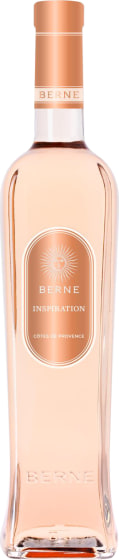
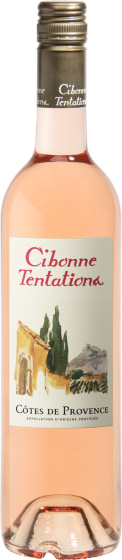
Cotes de Provence, Provence, South of France, France ● Rosé
$25.97
$25.97
Rosé Styles by Region
A rosé from Provence and a rosé from Tavel can taste like entirely different categories of wine. The grape varieties, climate, and winemaking traditions of each region create distinct styles, and those styles pair with different foods. The label's origin is a reliable shortcut to choosing the right dish.
1. Provence, France
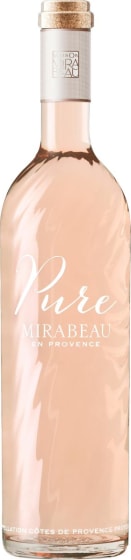
Provence sets the global standard for pale, dry rosé. Blends built on Grenache, Cinsault, and Mourvèdre produce wines with a hallmark combination of mineral-driven acidity, delicate strawberry and white peach flavors, and a dry, crisp finish. These are the rosés that launched the worldwide rosé boom, and they remain the go-to for light seafood, salads, and warm-weather entertaining.
The best Provence rosés have enough tension and texture to pair with more than just appetizers. A well-made Côtes de Provence bottling can handle grilled fish, chicken paillard, or a full seafood spread without fading into the background.
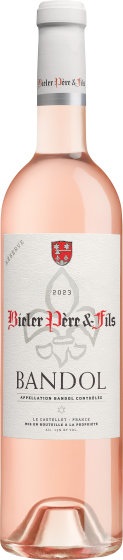
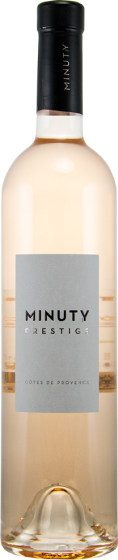
Cotes de Provence, Provence, South of France, France ● Rosé
91 Vinous
Sold Out - was $30.00
2. Tavel and Southern Rhône
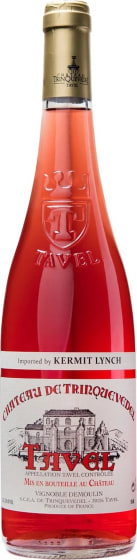
Tavel holds a unique distinction: it is the only French appellation that produces exclusively rosé. Grenache-dominant blends here tend to be deeper in color and fuller in body than their Provençal neighbors, with ripe raspberry, dried herb, and savory spice notes. These are rosés built for the table, not the poolside.
The range within Tavel itself is worth exploring. Some producers make a lighter, fruit-forward style that works with grilled fish and charcuterie. Others push toward a richer, more structured rosé that pairs well with garlicky southern French cooking, grilled lamb, sausages, and tomato-based stews. If you think of Provence rosé as the white-wine-alternative rosé, Tavel is the red-wine-alternative rosé.
Spanish rosado, often made from Garnacha or Tempranillo, tends toward bright cherry fruit and a round, approachable texture. Rioja rosados in particular offer a savory, food-friendly character that works with tapas, grilled vegetables, and cured meats.
Italian rosato, especially from southern regions using Negroamaro or Sangiovese, delivers a similarly dry, crisp profile with tart cherry and herbal notes. These are ideal alongside pasta with fresh tomato sauce, grilled eggplant, or antipasto platters.
American rosé has come into its own over the past decade. California producers working with Pinot Noir, Syrah, and Grenache make rosés that range from lean and mineral to lush and fruit-forward. The best examples combine New World ripeness with enough acidity to keep them food-friendly.
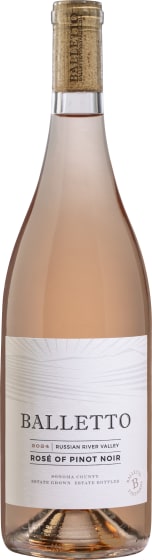
Pinot Noir rosé from cooler California sites like the Russian River Valley or Sonoma Coast tends to be lighter and more restrained, pairing well with sushi, poke bowls, and lighter fare. Syrah-based rosé from warmer regions carries more weight and works with grilled meats and barbecue.
Serve it cold, but not ice-cold: Pale, crisp rosés are best between 45–50°F. Fuller-bodied styles from Tavel or Bandol can go slightly warmer, around 50–55°F, which lets their fruit and texture open up
Match wine weight to dish weight: A light Provence rosé suits a green salad or raw shellfish. A deeper rosé from southern France or Spain can handle grilled pork, roasted chicken, or a hearty stew
Lean into spice: Dry rosé handles spicy food better than most wines. The combination of acidity and fruit cools the heat from chili peppers, harissa, or Szechuan seasoning without the sweetness of an off-dry white
Think beyond summer: Rosé pairs well with fall and winter dishes too. Roasted root vegetables, Thanksgiving turkey, butternut squash soup, and even lighter stews all work with a medium-bodied rosé
Use sparkling rosé for fried foods and celebrations: The bubbles in sparkling rosé scrub oil from fried appetizers and refresh the palate between bites. It also works beautifully at brunch with eggs Benedict or smoked salmon
Know what to skip: Very heavy cream sauces, dark chocolate, and intensely smoked meats tend to overpower dry rosé. For those dishes, reach for a fuller red or a dessert wine instead
Rosé Pairing Questions, Answered
What Food Goes Well with Dry Rosé?
Dry rosé pairs well with a wide range of foods because its acidity and fruit profile sit between white and red wine. Seafood, poultry, salads, cheese boards, and Mediterranean-style dishes are all strong matches. The key is matching the body of the rosé to the weight of the dish. Lighter, pale rosés work with delicate preparations like raw shellfish and fresh salads. Fuller-bodied rosés from regions like Tavel or Bandol handle grilled meats, roasted vegetables, and richer preparations.
Is Rosé a Good Wine for Seafood?
Rosé is one of the best wine categories for seafood pairing. Its acidity complements the brininess of shellfish, and its fruit adds a layer of flavor that lean white wines sometimes lack. Pale Provence-style rosé is ideal for raw oysters, ceviche, and shrimp. For richer preparations like grilled salmon, lobster, or bouillabaisse, choose a rosé with more body, such as one made from Mourvèdre or Syrah. Sparkling rosé is another excellent choice for fried seafood.
Can You Pair Rosé with Spicy Food?
Dry rosé handles spicy food better than most drinkers expect. The wine's acidity provides a cooling counterpoint to heat from chili peppers, and its fruit sweetness (even in fully dry styles) helps tame the burn. Rosé works with Thai curries, spicy tacos, harissa-rubbed chicken, and Szechuan-style dishes. Off-dry rosé can be even more effective with very high heat levels, but a dry style with good acidity holds its own against moderate spice.
What Cheese Goes Best with Rosé?
Fresh, soft cheeses are the strongest match for dry rosé. Chèvre, burrata, fresh mozzarella, and young Manchego all pair naturally because their mild, creamy flavors let the wine's fruit and acidity shine. Harder aged cheeses like Gruyère or Parmigiano-Reggiano can work in small portions, especially on a mixed board, but their intensity tends to favor reds. For the best results, build a cheese plate with soft cheeses, some cured meats, olives, and crusty bread.
Is Rosé Only a Summer Wine?
Rosé has shed its reputation as a warm-weather-only wine. Fuller-bodied styles from Tavel, Bandol, and Spain pair naturally with fall and winter dishes like roasted root vegetables, Thanksgiving turkey, braised pork, and hearty soups. The key is choosing rosés with enough body and fruit to match the weight of cooler-weather cooking. A pale Provence rosé might feel out of place next to a beef stew, but a deeper Grenache-based rosé from the southern Rhône handles that meal with ease.
Where to Start with Dry Rosé
Provence rosé with weeknight grilled fish. A glass of Tavel alongside Sunday roast chicken. Sparkling rosé to kick off your next dinner party. Those three combinations cover a lot of ground, and each one gives you a different window into what dry rosé can do at the table.
Try a different region with each food category you cook through. Open a Spanish rosado with tapas one night, then pour an Italian rosato with pasta the next. The differences in style become obvious when you taste them side by side with food, and that hands-on comparison teaches you more than any tasting note can.
Wine.com carries rosé from every major region and style covered here. Whether you are stocking up for a seafood dinner or building a mixed case to explore, you will find the right bottle. Browse Rosé at Wine.com