A client wine gift under $150 sits in a specific sweet spot: generous enough to signal real regard, restrained enough to stay professional. At this level you leave the everyday bottle behind and reach wines with genuine pedigree, including structured reds and sparkling wines built for a toast. The styles that suit the occasion are more varied than most gift-givers expect.
Understanding the $100 to $150 Wine Gift
A $120 bottle and a $20 bottle can share the same grape and the same region, yet taste worlds apart. The difference comes down to farming choices, barrel decisions, and how little of the wine exists. For a client gift, that difference is what turns a nice gesture into a memorable one.
What the Extra Money Actually Pays For
Start with oak. New French oak barrels cost more than $1,200 each, and winemakers use them to add texture and subtle notes of vanilla and spice. As the wine rests, it breathes slowly through the wood and gains a broader, rounder feel. Cheaper wines skip this step or use neutral barrels, which keeps the wine tighter and simpler.
Then there is the fruit itself. A single-vineyard wine often yields just 1–2 tons of grapes per acre, while a broad regional blend can pull 4–6 tons from the same space. Lower yields concentrate flavor into fewer clusters, so each bottle carries more of the vineyard's character.
Scale matters too. The best sites are often steep and farmed entirely by hand, and a picker can only move so fast across difficult ground. Small production and careful hand-harvesting raise the cost of every bottle, and they protect quality at every step. A wine made in a few thousand cases simply carries more attention per bottle than one poured out by the million.
How to Match the Bottle to the Relationship
The right bottle depends on how well you know the client. A new relationship calls for a safe classic: a wine that signals good taste without making assumptions about their palate. For a client you know well, you can take a small risk with something more distinctive and show that you paid attention.
Formality is the other factor. A high-stakes deal or a senior executive rewards a recognized, statement-worthy region. A casual thank-you gives you room to pick something personal, like a wine from a region the client mentioned enjoying. When you are unsure, lean toward the classic: a well-known style is rarely the wrong call, and it never looks like you guessed.
Impressive Reds by Style
Red wine is the default for a reason. At the $100–$150 level, the world's benchmark reds are built to age, which signals that the gift has staying power and could still reward the recipient years from now. These three styles carry instant recognition and very little risk.
1. Napa Valley Cabernet Sauvignon
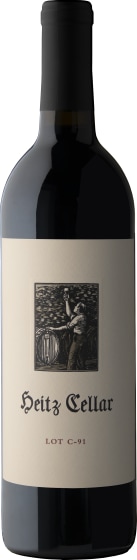
A Napa Valley Cabernet ranks among the safest impressive gifts you can send. Most premium Napa Cabernets are not 100% Cabernet: they include 5–15% Merlot, Cabernet Franc, Petit Verdot, or Malbec. Those supporting grapes soften the firm tannins and fill in the mid-palate, which gives the wine a plusher, more polished texture. The result is bold and rich, with dark fruit and a smooth, lingering finish that appeals to almost any client. The name alone carries weight, so the gift reads as generous on sight.
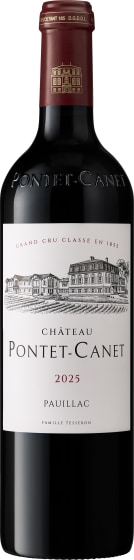
A gift of Bordeaux speaks to a client who values tradition. A classified-growth red from the Left Bank signals discernment, since these estates have been ranked and collected for well over a century. Left Bank blends are led by Cabernet Sauvignon and rounded out with Merlot plus small amounts of Cabernet Franc and Petit Verdot. That structure gives the wine firm tannins, cassis and graphite notes, and the backbone to age for a decade or more. Sending Bordeaux is a quiet way to show you take the relationship seriously.
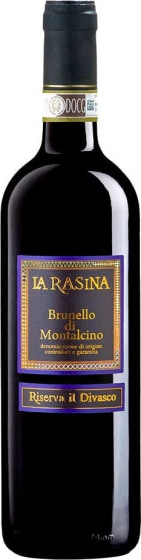
For a client who already knows wine, Italy offers two age-worthy benchmarks that feel less expected. Barolo is made entirely from Nebbiolo, and Brunello di Montalcino must be 100% Sangiovese by law. That single-variety purity is part of why they impress: there is nowhere to hide, so only top fruit makes the cut. Barolo brings rose, tar, and red cherry with bracing structure, while Brunello leans into darker cherry and dried herb. Both age for many years, which makes either one a gift with a long horizon.
Red is not always the smartest choice. When you are marking a signed deal or a promotion, sparkling wine turns the gift into a celebration on its own. And when you do not know the client's palate, a serious white sidesteps the risk that they simply prefer something lighter.
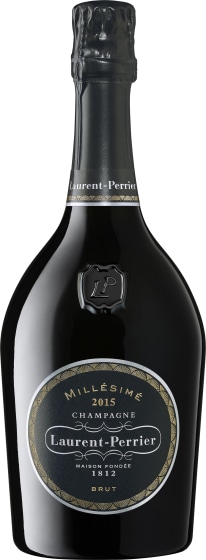
1. Champagne
Champagne is the most universally understood luxury gift in wine. A vintage or prestige bottling from a respected house carries obvious occasion, and few gifts say congratulations as clearly. The best examples show fine, persistent bubbles and flavors of citrus, brioche, and toasted almond, with a crisp, mineral finish. Champagne also flatters almost any recipient, since even casual drinkers recognize what a good bottle represents. At this budget you can send a grower bottling or a prestige house and know the label will land. For a milestone moment with a client, it is hard to beat.
A serious white works when a red feels too heavy or you are unsure what the client enjoys. White Burgundy sets the global standard for Chardonnay, with bottlings that balance orchard fruit, hazelnut, and a stony minerality. Top California Chardonnay follows the same playbook and offers a richer, rounder take with notes of baked apple and lemon curd. These wines age gracefully for several years and pair with a wide range of food, which makes them easy to enjoy. A great white signals real wine knowledge without demanding a heavy red.
Knights Valley, Sonoma County, California ● Chardonnay
97 Vinous
96 Jeb Dunnuck
96 Robert Parker
94 Wine Spectator
Sold Out - was $135.00
How to Present and Ship a Client Wine Gift
A great bottle deserves presentation that matches. How the gift arrives shapes the client's first impression before they ever taste the wine. A little planning on packaging, tone, and timing carries a wine you chose carefully across the finish line.
Presentation: A gift box, ribbon, and handwritten note make the gesture feel deliberate, and premium packaging also protects the bottle in transit
Etiquette: Confirm the client drinks alcohol and that their employer allows gifts, then keep the note warm and professional without slipping into over-familiarity
Shipping and Timing: Order several days ahead so the wine arrives on schedule, since reliable gift-ready delivery matters most during holidays and busy quarters
For companies sending gifts in volume, the logistics get more involved. Wine.com's Corporate Gifting program handles bulk orders, custom packaging, and multiple shipping addresses in one place, so a long gift list stays simple to manage.
Common Questions About Client Wine Gifts
How much should I spend on a client wine gift?
For an important client, a budget of $100–$150 is a strong target. It clears the bar of an everyday bottle and signals genuine respect without crossing into extravagance that could feel awkward. For a routine thank-you, $40–$75 is perfectly appropriate. Match the amount to the stakes of the relationship, and check any gift limits your client's company may set. Consistency helps too, since a similar spend across accounts keeps every client feeling equally valued.
What does spending $100 to $150 on wine actually get you?
At this level, you are paying for better farming, better barrels, and lower production. Grapes come from top vineyards where yields are kept low to concentrate flavor. The wines often age in new French oak, which adds texture and subtle spice, and they are frequently made in small quantities. Many are also grown and picked by hand on sites too steep for machines. The result is a wine with more depth and real aging potential than an everyday bottle.
Should I give a client red, white, or Champagne?
It depends on the occasion and what you know about their taste. A structured red like Cabernet Sauvignon or Bordeaux is the safe, universally impressive choice. Champagne is best for celebrations, such as a closed deal or a promotion. If you are unsure of their palate or want something for warmer months, a serious white is a smart, flexible pick. Any of the three can impress at this budget, so let the moment guide you.
Is it appropriate to give a client alcohol as a gift?
In most business cultures, a bottle of wine is a classic and welcome gesture. Before sending, make sure the client drinks alcohol and that their employer permits gifts, since some companies cap the value or forbid them outright. Keep the presentation professional and the note gracious. If you know the client avoids alcohol, a fine olive oil or gourmet basket makes a thoughtful substitute. When in doubt, a quick check with your contact avoids any awkwardness.
Can I ship a wine gift and have it arrive on time?
Yes. Wine ships to most states, though a few have restrictions worth checking before you order. Place your order several days ahead, especially around holidays when carriers slow down. An adult signature is usually required on delivery, so send the gift to an address where someone will be present, such as the client's office. Choosing a reliable retailer with gift-ready packaging and tracking helps ensure the bottle arrives in good condition and on schedule.
Picking Your Client's Wine Gift
You now have a clear playbook for a client wine gift under $150. For a first-time client or a formal thank-you, a safe classic like Napa Cabernet or Left Bank Bordeaux signals real regard. To mark a signed contract or a promotion, Champagne turns the gift into a celebration. Whatever you pick, order a few days early and dress it up with a gift box and a handwritten note.
Wine.com carries the world's largest selection, with more than 16,000 wines from every major region. That range means you can match the bottle to the client, the occasion, and your budget without compromise. Expert curation and filters for price and style narrow the field fast, so the right gift is easy to find.