Champagne Under $50, Explained: Styles, Producers, and What to Buy
Champagne, the real thing from northeastern France, is available for under $50. The region's non-vintage (NV) bottlings, blended across multiple harvests for consistency, account for the majority of Champagne production and routinely fall within this price range. The bottles worth buying, the styles worth knowing, and the producers worth tracking at every price point below that threshold are all covered here.
Champagne Under $50 at a Glance
Champagne costs more than other sparkling wine for a straightforward reason: the production method demands it. Every bottle undergoes méthode champenoise, a process where the second fermentation happens inside the bottle itself. That means hand-riddling or gyropalette turning, extended aging on spent yeast cells (called lees), and individual disgorging. The bottles are thicker to withstand pressure. The climate is cool and yields are low. All of it adds cost before the wine ever reaches a shelf.
What keeps certain bottles under $50 is scale and sourcing. Large Champagne houses buy grapes from hundreds of growers across the region, blending them into a consistent house style that can be produced in high volume. Cooperatives pool fruit from member growers to share production costs. NV blends, which draw from reserve wines stored across multiple vintages, spread quality and cost across years rather than relying on a single harvest. The term "dosage" refers to a small addition of wine and sugar after disgorging, which fine-tunes the final sweetness level. Brut, the most common style, allows up to 12 grams of sugar per liter, though many producers use far less.
What "Grandes Maisons" and "Grower" Mean for Your Budget
The Champagne market splits into two camps. Grandes Maisons are the large houses whose names you likely recognize: Moët & Chandon, Veuve Clicquot, Laurent-Perrier, Nicolas Feuillatte. These houses market about two-thirds of all Champagne, yet they own less than 10 percent of the vineyards. They purchase grapes from thousands of independent growers, then blend to achieve a signature style that tastes the same year after year. For a newcomer, that consistency is a real advantage. You know what you're getting.
Grower Champagnes, labeled RM (Récoltant-Manipulant) on the bottle, come from smaller producers who farm their own vines and make their own wine. Over 4,000 growers now make and sell their own Champagne, twice as many as in 2010. Grower bottles tend to reflect a specific village or vineyard rather than a regional blend. At the under-$50 level, both paths deliver genuine Champagne. The difference is personality: houses aim for reliability, growers for individuality.
What to Spend on Champagne
The gap between a $25 Champagne and a $50 one often shows up first on the palate as texture. Longer contact with lees during aging builds a creamier, more persistent mousse, the technical term for the foam and bubbles. The grapes matter too. Bottles sourced from Premier Cru or Grand Cru villages, Champagne's highest-rated vineyard zones, carry more depth and mineral character.
1. Under $30: Entry-Level Champagne
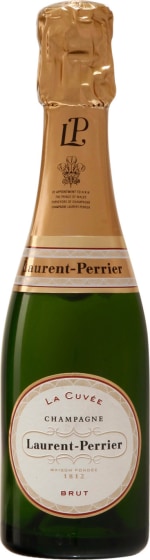
Full-size 750ml Champagne bottles rarely land below $30. At this price, the best options are 187ml splits, single-serving bottles that deliver the same wine in a smaller format. Splits are practical for tastings, party favors, and gifts where you want real Champagne without committing to a full bottle. The wines inside are the same NV blends the houses produce at scale, so quality reflects the producer's standard, not the format.
This is where Champagne gets interesting. The extra cost over entry-level buys longer lees aging, better vineyard sources, and more careful blending. Producers in this range often draw from a wider palette of reserve wines, adding complexity that shows up as brioche, almond, and richer fruit character. Grower Champagnes start appearing at this price, offering a first taste of site-specific character. If you're buying a single bottle to try with dinner or bring to a friend's house, this tier is the one to focus on.
At the top of this range, you're drinking Champagne sourced from Grand Cru and Premier Cru vineyards. André Clouet, based in the Grand Cru village of Bouzy, is known for Pinot Noir-driven bottlings with red fruit depth and fine, persistent bubbles. Nicolas Feuillatte, one of Champagne's largest cooperatives, produces its Réserve Exclusive Brut from a broad blend of all three permitted grapes: Chardonnay, Pinot Noir, and Pinot Meunier. These bottles compete with Champagnes priced well above $50.
Champagne comes in several styles, each defined by the grapes used and the level of sweetness. Knowing these three categories covers the vast majority of bottles you'll encounter under $50.
1. Brut: The Crowd-Pleaser
Brut is the default Champagne style, and for good reason. The word means "dry" in French, and Brut Champagnes are allowed up to 12 grams per liter of residual sugar, though most sit well below that. The flavor profile leans toward crisp apple, citrus peel, and light toast from lees aging. Brut is the most versatile style for food, celebrations, and everyday drinking. If you've never bought Champagne before, start here.
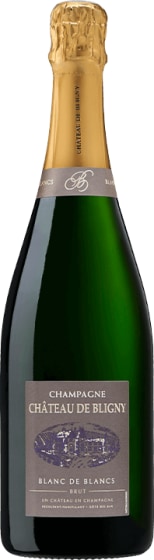
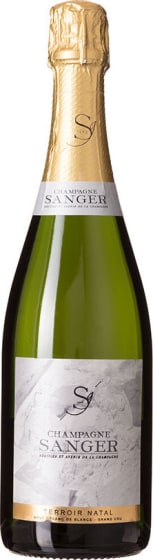
Blanc de Blancs means "white from whites," and it refers to Champagne made entirely from Chardonnay. The result is a lighter, more citrus-forward wine with notes of lemon zest, white flowers, and a chalky mineral edge. Blanc de Blancs tends to be the most refreshing style, which makes it a strong choice as an apéritif or paired with raw shellfish, sushi, or lighter fish dishes.
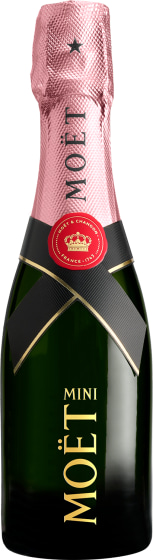
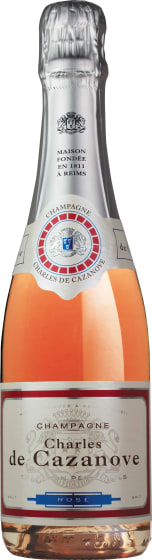
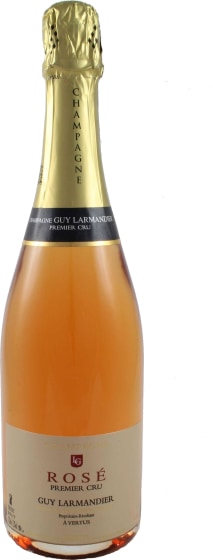
Rosé Champagne gets its color one of two ways: by blending a small amount of still red Pinot Noir wine into the base, or by brief skin contact during pressing (called the saignée method). Either way, the result adds red fruit character, typically strawberry, raspberry, and sometimes a hint of baking spice. Rosé Champagne pairs well with charcuterie, salmon, and berry desserts. It also happens to be one of the more visually striking bottles you can bring to a celebration.
Champagne is one of the most food-friendly wines you can open. Its high acidity, fine bubbles, and range of sweetness levels let it work across meals and occasions that would trip up most other wines. The key principle is contrast: Champagne's brightness and effervescence balance rich, fatty, or salty foods especially well.
Brunch: scrambled eggs, smoked salmon on toast, fresh fruit tarts
Appetizers: oysters on the half shell, shrimp cocktail, soft cheeses like Brie or Camembert
Dinner: roast chicken with herbs, sushi and sashimi, pasta in cream sauce
Celebrations: macarons, dark chocolate truffles, wedding cake (pair sweeter Demi-Sec with dessert if available)
The Catch-All Pairing: fried foods of almost any kind, where the bubbles and acidity cut through the richness
Champagne Under $50 Questions, Answered
Is $50 Enough for Good Champagne?
Yes. Non-vintage bottlings from established houses and grower producers deliver genuine Champagne quality at this price. NV does not mean inferior. It means the winemaker blended across multiple harvests to create a consistent, polished result. Many of the world's top-selling Champagnes, including Moët & Chandon and Nicolas Feuillatte, are NV Bruts priced well under $50.
What Is the Difference Between Champagne and Prosecco?
Champagne comes from the Champagne region of northeastern France and is made using méthode champenoise, where the second fermentation occurs inside the bottle. Prosecco comes from the Veneto region of northeastern Italy and uses the Charmat method, where the second fermentation happens in a large pressurized tank. The result is different in texture and flavor: Champagne tends to be more complex, with finer bubbles and toasty notes from extended lees aging. Prosecco is typically fruitier, lighter, and best consumed young.
Should I Buy a Big-Name House or a Grower Champagne?
Both are solid choices at this price. A big house gives you a known quantity: the flavor profile will be consistent across bottles and vintages, which is useful if you're buying for a group or a gift. A grower Champagne introduces more variation, which can mean a more distinctive wine or, occasionally, a less predictable one. If you're new to Champagne, start with a house you've seen before and build a reference point. Once you know what baseline Champagne tastes like, grower bottles become a way to explore how site and farming change the wine.
How Should I Serve Budget Champagne?
Chill the bottle to 45–48°F, which usually means about three hours in the refrigerator or 20 minutes in an ice bucket. Pour into a tulip-shaped glass or a standard white wine glass rather than a flat coupe. The coupe's wide opening lets bubbles escape faster, which means less aroma and a flatter experience. Open the bottle by holding the cork steady and twisting the base of the bottle gently until the cork releases with a quiet hiss rather than a loud pop.
Does Champagne Go Bad After Opening?
Champagne is best consumed within one to two days of opening. A sparkling wine stopper, the kind with a hinged clamp that grips the bottle lip, helps preserve carbonation overnight. Store the open bottle upright in the refrigerator. Without a stopper, most of the fizz will be gone by morning. Unopened Champagne keeps well for one to three years stored on its side in a cool, dark place, though NV bottlings are made to be enjoyed on release rather than cellared long-term.
Where to Start with Champagne Under $50
A Brut under $40 handles most situations: dinner with friends, a birthday toast, a weeknight upgrade. Rosé is the pick when the food leans toward richer flavors or the occasion calls for something visually festive. Blanc de Blancs suits lighter meals and warm-weather drinking, where its citrus and mineral character stays refreshing.
Try one bottle from each style. That three-bottle experiment gives you a personal baseline for what you like in Champagne, which is more useful than any guide or rating. You may find that you prefer the richness of a Pinot Noir-driven Brut, or that the precision of a Blanc de Blancs is more your speed. Either answer is the right one.
Browse Champagne at Wine.com to explore the full selection, filtered by price, style, and critic rating. With Champagne and sparkling wine options across every tier, finding the right bottle for your table or your budget takes minutes, not hours.