Champagne, Prosecco, and Cava, Explained: Origins, Taste, and What to Buy
Champagne, Prosecco, and Cava are the world's three most popular sparkling wines, and they share one thing: bubbles. Beyond that, they come from different countries, use different grapes, and follow different production methods, which is why they taste and cost so differently. Each delivers a distinct drinking experience at its own price point, so choosing between them starts with understanding what makes each one tick.
Sparkling Wine at a Glance
Every sparkling wine gets its fizz from a second round of fermentation, where yeast converts sugar into alcohol and carbon dioxide. The CO2 has nowhere to escape, so it dissolves into the wine as bubbles. What separates one sparkling wine from another is where that second fermentation happens: inside each individual bottle or inside a large steel tank.
How the Bubbles Get Into the Bottle
The traditional method (called methode traditionnelle in France and metodo tradicional in Spain) triggers the second fermentation inside each sealed bottle. The wine then ages on its lees, the spent yeast cells left behind after fermentation. Those lees break down slowly over months or years, adding creamy, bready, toasty flavors to the finished wine. Both Champagne and Cava use this approach.
The Charmat method, also called the tank method, runs the second fermentation in a large pressurized steel tank instead of individual bottles. The process is faster, less labor-intensive, and significantly cheaper. It also preserves the grape's fresh fruit character because the wine spends less time in contact with the lees. Prosecco is made this way.
Why the Method Shapes the Taste
Bottle-fermented sparkling wines tend to have finer, more persistent bubbles and a drier, more layered flavor profile. Extended contact with the lees adds complexity: think toast, almond, brioche. Tank-method wines, by contrast, showcase the grape itself. The bubbles are a bit larger and frothier, and the flavors lean toward fresh fruit, white flowers, and a lighter overall body. This distinction is the single most useful lens for understanding Champagne, Prosecco, and Cava. It explains not only how they taste, but also why they cost what they do.
Champagne, Cava, and Prosecco: What Sets Each Apart
All three wines start as still wine and gain their bubbles through a second fermentation. The similarities mostly end there. Origin, grapes, and production method give each wine its own personality.
1. Champagne
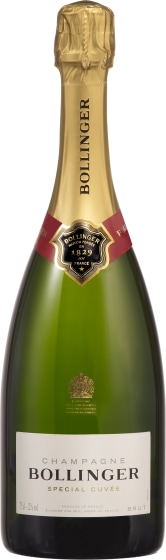
Champagne is both a wine and a place. It comes exclusively from the Champagne region in northern France, about 90 miles northeast of Paris. The name is legally protected: no sparkling wine made anywhere else in the world can call itself Champagne.
The grapes are Pinot Noir, Pinot Meunier, and Chardonnay, blended in proportions that vary by producer. Champagne uses the traditional method, and non-vintage bottles must age on their lees for a minimum of 15 months. Vintage Champagne requires at least 36 months. That extended aging is where the signature flavors develop: brioche, citrus, toast, and a persistent thread of fine bubbles.
Most Champagne is labeled Brut, which means dry (very little sugar added before the final corking). It suits celebrations and formal dinners, but it is equally at home with weeknight takeout. The price reflects the labor-intensive production, the strict regional rules, and the cool climate that makes every harvest a challenge.
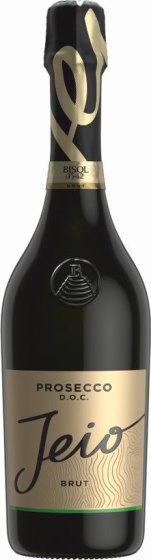
Prosecco comes from the Veneto and Friuli Venezia Giulia regions in northeast Italy. The name was originally a grape variety, but in 2008 it became a protected regional designation. The best bottles carry the DOCG label, Italy's highest quality tier.
The primary grape is Glera, a variety that thrives in the rolling hills north of Venice. Prosecco is made using the Charmat method, and it typically sees no aging on the lees. The result is a wine that foregrounds the grape's natural character: pear, green apple, white flowers. The bubbles are soft and frothy, and the alcohol is low, usually 11.5%–12% ABV.
Prosecco tends to run slightly sweeter than Champagne or Cava, even when labeled Brut. Its approachable flavor and gentle price point make it the go-to sparkling wine for casual gatherings, brunch, and cocktails like the Aperol Spritz and Bellini.
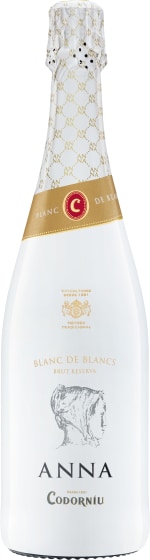
Cava is Spain's answer to bottle-fermented sparkling wine, produced primarily in Catalonia's Penedes region. Spain's first traditional-method sparkler was made in 1872, using local grapes that are still the backbone of Cava today.
Those three grapes are Macabeo (fruity and fresh), Xarel-lo (pronounced sha-REL-lo, contributing body and an earthy depth), and Parellada (delicate, aromatic). By law, Cava must be made using the metodo tradicional, the same bottle-fermentation process used in Champagne. Standard Cava ages on its lees for a minimum of nine months, and Reserva bottles require at least 15 months.
The flavor profile leans crisp and citrus-driven, with notes of green apple and almond. Because Spanish land and labor costs are lower than those in Champagne, Cava offers traditional-method complexity at a fraction of the price. For a newcomer looking to explore bottle-fermented sparkling wine without a Champagne budget, Cava is the ideal starting point.
Tasting notes from the taxonomy section tell you what each wine is like on its own. This section puts them next to each other so you can compare directly.
Sweetness: All three come in Brut (dry) styles, but Prosecco tends to taste the sweetest of the three even at the same label designation. Champagne and Cava are generally drier and more restrained
Acidity: Acidity is the crispness or tartness you feel on the sides of your tongue. Champagne and Cava both show bright, firm acidity. Prosecco's acidity is softer and rounder
Bubble texture: Bottle-fermented wines (Champagne, Cava) produce finer, tighter streams of bubbles that feel almost creamy on the palate. Tank-method Prosecco has larger, frothier bubbles that dissipate more quickly
Flavor complexity: Champagne typically delivers the most layered flavors because of its extended lees aging: toast, hazelnut, citrus, and brioche. Cava offers a middle ground with crisp fruit plus toasty, nutty undertones. Prosecco keeps things simple and fresh: pear, apple, floral notes
Body: Champagne feels the fullest and most structured. Cava is medium-bodied with a clean finish. Prosecco is the lightest of the three
One term worth knowing is dosage (pronounced doh-SAHJ), which is the small amount of sugar solution added to a sparkling wine before the final corking. Dosage determines the sweetness level you see on the label. The scale runs from driest to sweetest: Extra Brut (0–6 grams of sugar per liter), Brut (0–12 g/L), Extra Dry (12–17 g/L, confusingly sweeter than Brut despite the name), and Demi-Sec (32–50 g/L, noticeably sweet). Most Champagne, Prosecco, and Cava sold in the U.S. fall into the Brut or Extra Dry categories.
What to Eat with Champagne, Prosecco, and Cava
Sparkling wine is one of the most versatile food partners you can pour. The bubbles and acidity act like a palate cleanser between bites, which means these wines pair well with a wide range of dishes.
Champagne
Oysters and shellfish: The minerality and crisp acidity mirror the briny sweetness of raw oysters, shrimp, and crab
Fried appetizers: Tempura vegetables, fried chicken bites, or crispy spring rolls. The bubbles cut through the oil and refresh the palate
Aged hard cheeses: Aged Comte, Parmigiano-Reggiano, or Manchego. The wine's toasty depth matches the nutty richness of the cheese
Celebrations and formal dinners: Champagne carries the weight of a full meal. Pour it from appetizers through the main course
Prosecco
Brunch dishes: Frittatas, smoked salmon on toast, fruit salads. Prosecco's gentle sweetness and low alcohol make it an easy morning companion
Light pasta and risotto: Lemon-butter linguine, asparagus risotto, or pesto dishes. The wine's soft acidity complements without competing
Pizza night: A casual pairing that works because the bubbles and acidity balance the richness of melted cheese and tomato sauce
Cocktails: Prosecco is the base for the Aperol Spritz and the Bellini, two of Italy's most popular aperitivo drinks
Cava
Tapas spreads: Patatas bravas, Marcona almonds, cured meats, and marinated olives. Cava was born for this style of eating
Grilled seafood: Shrimp, calamari, or grilled white fish with a squeeze of lemon. The wine's citrus notes and clean finish echo the flavors on the plate
Spicy Asian cuisine: Thai curries, sushi, or dim sum. Cava's acidity and effervescence tame heat and refresh the palate between bites
Casual entertaining: Cava's quality-to-price ratio makes it perfect for pouring freely at a backyard party or dinner gathering
What to Spend on Champagne, Prosecco, and Cava
Price differences across these three wines come down to production costs. The Charmat method is faster, cheaper, and less labor-intensive than the traditional method, which is why Prosecco costs less than Champagne. Cava sits in between: it uses the same bottle-fermentation process as Champagne but benefits from lower land and labor costs in Spain.
Under $15: This is Prosecco territory. Expect bright, fruity, easy-drinking bottles ideal for cocktails, brunch, or a casual Tuesday. Entry-level Cava also falls here and offers surprising complexity for the price
$15–$30: The sweet spot for quality Cava and upper-tier Prosecco (look for DOCG on the Prosecco label). Cava in this range often carries a Reserva designation, meaning extended lees aging and richer, more layered flavors
$30–$60: Entry-level Champagne starts here. Non-vintage Brut from established Champagne houses delivers the toasty, bready character and fine bubbles the region is famous for. Every bottle in this range has aged a minimum of 15 months on its lees
$60 and above: Vintage Champagne, prestige cuvees, and limited-production bottles. These wines age for 36 months or longer, developing deeper complexity. The price reflects yield restrictions, long cellar aging, and the high cost of vineyard land in the Champagne appellation
Why is Champagne so expensive? The short answer: each bottle goes through its second fermentation individually, ages on its lees for over a year, and comes from one of the most expensive vineyard regions in the world. Those costs add up. The good news is that great sparkling wine exists at every price point. Cava, in particular, gives you traditional-method quality at a fraction of the Champagne price.
Quick Answers on Champagne, Prosecco, and Cava
Is Prosecco Just Cheap Champagne?
No. Prosecco and Champagne are completely different wines from different countries, made with different grapes and different methods. Prosecco comes from northeast Italy, uses the Glera grape, and is fermented in tanks. Champagne comes from northern France, uses Pinot Noir, Chardonnay, and Pinot Meunier, and is fermented in individual bottles. Prosecco is not an imitation of Champagne. It is a distinct style designed to showcase fresh fruit character and gentle fizz.
Is Cava Closer to Champagne or Prosecco?
In production method, Cava is much closer to Champagne. Both use bottle fermentation and extended lees aging, which gives them a similar texture and dry, layered flavor profile. In price, Cava lands closer to Prosecco, often sitting under $20 a bottle. This combination is why Cava is frequently called the best-value traditional-method sparkling wine in the world.
Which Is Better Quality, Prosecco or Cava?
Neither is inherently better. They are different styles built for different experiences. Cava tends to offer more complexity because of its bottle fermentation and lees contact, with flavors leaning toward toast, citrus, and almond. Prosecco tends to be lighter, fruitier, and more immediately refreshing. The better choice depends on your preference and the occasion.
Which Sparkling Wine Is Best for Mimosas?
Prosecco is the most popular choice for mimosas because its fruit-forward sweetness blends naturally with orange juice, and its lower price makes it practical for large-batch mixing. Cava also works well and adds a drier, crisper contrast that keeps the drink from becoming too sweet. Champagne works if the occasion calls for it, but the nuanced flavors you pay a premium for tend to get lost in the mix.
What Does Brut Mean on a Sparkling Wine Label?
Brut means dry, or low in sugar. It is the most common sweetness style across all three wines. The sweetness scale runs from driest to sweetest: Extra Brut is very dry with almost no added sugar, Brut is dry with up to 12 grams of sugar per liter, Extra Dry is slightly sweet despite the name (12–17 g/L), and Demi-Sec is noticeably sweet (32–50 g/L). When in doubt, reach for Brut. It is the safest all-purpose choice and the most widely available.
Picking Your Sparkling Wine
Champagne for toasty depth and fine bubbles at a celebration, Cava for traditional-method complexity on a weeknight budget, Prosecco for bright fruit and easy sipping at brunch. Each fills a different role, and none of the three is the "wrong" choice for any occasion.
Try one of each over the next few weeks and pay attention to what you reach for a second time. You might prefer the layered richness of a Brut Champagne, the citrusy crispness of a Spanish Cava, or the soft, fruity approachability of an Italian Prosecco. The only way to find out is to open the bottles.