BYOB restaurants let you bring your own bottle of wine to enjoy with your meal, usually for a small service fee. The goal is a bottle that looks thoughtful without costing much. This guide covers 8 versatile picks that do exactly that.
Understanding BYOB Wine
Two words come up a lot at BYOB spots: corkage and food-friendly. Corkage is a small fee the restaurant charges to open and serve the wine you brought. Food-friendly just means a wine that plays well with a lot of different dishes.
How A Bottle Impresses Without Being Expensive
The trick to looking generous on a budget is choosing wines from regions and styles that most people overlook. A lot of a bottle's price comes from things you never taste directly.
A new French oak barrel, the wooden container used to age wine, costs over \$1,200, and an American oak barrel runs about \$400. A wine aged in older or American oak can still taste smooth and polished, without charging you for the barrel.
How much wine gets made matters too. A broad regional blend draws about 4–6 tons of grapes per acre, and a single vineyard pulls just 1–2 tons. So a well-made regional wine often costs less simply because more of it is made.
What "Food-Friendly" Really Means
Food-friendly comes down to two things: acidity and body. Acidity is the tart, mouthwatering quality that makes a wine feel fresh, like a squeeze of lemon. Body is how heavy or light a wine feels in your mouth, from watery-light to rich and full.
A wine with moderate acidity and moderate body sits right in the middle. It can handle a light salad or a hearty pasta without clashing, which is exactly what you want when you do not know the menu yet.
BYOB Wines By Style
Some wines are built to travel well and please a full table. The four styles below are easy to find and flexible enough to match most menus. Each one comes with two bottles worth grabbing on your way out the door.
1. Sparkling Wine
Nothing says celebration like sparkling wine, and it earns its place as the easy impressive flex. The bubbles feel festive, and the bright, crisp taste wakes up your palate before a meal.
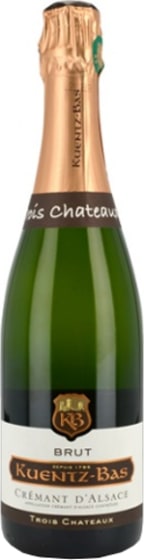
Cava from Spain and Crémant from France are made by the same traditional method as Champagne, where the bubbles form inside the bottle. That means you get the Champagne experience without the Champagne splurge. It pairs with almost anything, including salty snacks and fried food, so it works whether you are toasting good news or just starting dinner.
-
Cava, Spain ● Non-Vintage
-
92 Wine
& Spirits -
91 Robert
Parker
-
Alsace, France ● Non-Vintage
2. Crisp White Wine
For lighter menus and anything from the sea, a crisp white is your friend. Sauvignon Blanc from France's Loire Valley brings zippy acidity and clean flavors of citrus and fresh herbs.
Albariño, a white grape from the Rías Baixas region of Spain, is another bright option that seems built for seafood. Both wines are light and high in that mouthwatering acidity, so they lift a dish instead of weighing it down. If the table orders salads, chicken, or shellfish, either bottle will feel right at home.
-
Touraine, Loire, France ● Sauvignon Blanc
-
Rias Baixas, Spain ● Albarino
-
91 Wilfred
Wong -
90 James
Suckling
3. Light, Versatile Red Wine
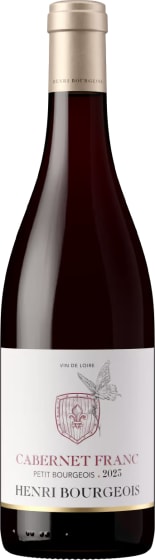
When the menu is a mystery, a light red keeps your options open. Cabernet Franc is a smooth red with soft tannins, the compounds that make some reds taste dry and grippy.
Gamay, the grape behind France's Beaujolais wines, is another gentle choice. It is naturally low in tannin, with bright black cherry and black raspberry fruit, which is what makes Beaujolais so easy to pair. Serve either one slightly cool and it will pair happily with roast vegetables or grilled chicken.
-
France ● Cabernet Franc
-
Beaujolais, Burgundy, France ● Gamay
-
93 Wine
Enthusiast -
91 James
Suckling
4. Bold Red Wine
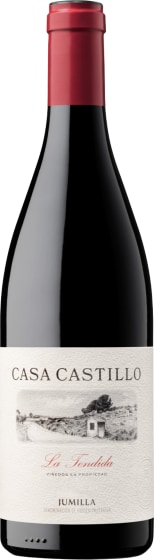
For meat-forward menus, a bold red brings the richness to match. Monastrell, known as Mourvèdre in France, is a dark, full-bodied Spanish red with deep berry flavor and a hint of spice.
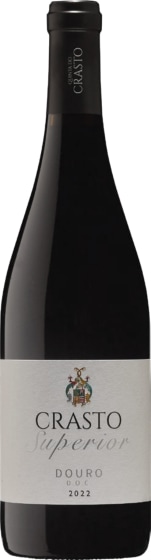
An affordable red blend, where several grapes are mixed together, gives you the same kind of weight and warmth. These wines carry more body and firmer tannin, so they stand up to steak, lamb, and hearty stews. When the table leans toward grilled and roasted dishes, this is the bottle that keeps pace.
-
Jumilla, Spain ● Rhône Blends
-
Douro, Portugal ● Other Red Blends
-
92 Wine
Spectator -
90 Wine
Enthusiast -
90 Wilfred
Wong
Your Wine At The Table
Once you know the menu, matching your bottle to the food gets simple. These common menus give you a quick starting point for what to pour.
- Italian menus - Tomato sauces and cured meats love bright reds, and creamy or cheesy dishes go well with a crisp white. A light red covers most of the table.
- Spicy or Thai food - Reach for an off-dry Riesling, meaning one that tastes slightly sweet, or a glass of sparkling. The touch of sweetness cools the heat.
- Steak or the grill - A bold red like Monastrell has the body and tannin to stand up to charred, fatty meat. It matches richness with richness.
- Seafood - Albariño or sparkling wine keeps things bright and fresh. Their crisp acidity works like a squeeze of lemon over fish.
- A mixed or unknown menu - Sparkling wine or a light red is your safe bet. Both bend to fit almost any dish on the table.
Before You Go: BYOB Etiquette
A few quick calls and habits make BYOB night go smoothly. Sort these out before you leave home.
- Call ahead - Not every restaurant allows BYOB every night, so confirm the policy and ask about the corkage fee before you go.
- Expect a corkage fee - This is the charge for opening and serving your wine, usually a flat price per bottle. It is normal, so factor it into the budget.
- Ask about glassware - Check that the restaurant provides wine glasses and a corkscrew. Most do, but it is worth confirming.
- Chill ahead of time - White and sparkling wines taste best cold, so chill them for a few hours before you head out.
- How many bottles - A standard 750ml bottle pours about 5 glasses. Plan for about 2 drinks per person in the first hour, then roughly 1 per hour after that.
BYOB Wine Questions, Answered
What Wine Should I Bring If I Don't Know The Menu?
When the menu is a mystery, pick a wine that gets along with almost anything. Sparkling wine is the safest choice, since its bubbles and bright acidity suit both appetizers and main courses. A light red with soft tannins is another reliable pick, because it will not overwhelm delicate dishes or fall flat against richer ones. Both give you room to be wrong about what everyone orders. You really cannot go far off track with either.
How Much Should I Spend To Look Impressive?
You do not need to spend a lot to look thoughtful. A bottle in the \$15–\$30 range from a lesser-known region reads as considered, not cheap, because it shows you chose with care. Spending more rarely impresses more, especially if the pricier bottle is just a familiar label with a bigger markup. What people notice is a wine that fits the food and the moment. Confidence in your pick matters more than the number on the price tag.
How Many Bottles Should I Bring?
A good rule is one bottle for every two people, then add an extra if the night is likely to run long. Each standard bottle pours about 5 glasses, so a group of four is usually happy with two bottles. If some guests prefer white and others red, bring one of each so everyone has a choice. It is better to have a little extra than to run short mid-meal. Any unopened bottle simply goes home with you.
What Is A Corkage Fee?
A corkage fee is the price a restaurant charges to open and serve the wine you brought. It usually shows up as a flat charge per bottle, and it covers the glassware, the pouring, and the service. Fees vary from place to place, so it is smart to ask when you call ahead. Think of it as paying for the restaurant's table and hospitality, not the wine itself. Knowing the fee in advance keeps the bill from surprising you.
Do I Need To Bring My Own Glasses Or Corkscrew?
Usually not. Most BYOB restaurants provide wine glasses and will open the bottle for you as part of the corkage service. Still, it never hurts to ask when you call, since a few casual spots may expect you to bring your own. If you own a basic corkscrew, tossing it in your bag is a cheap insurance policy. For glasses, the restaurant almost always has you covered.
Your Next Bottle
You are ready for this. Remember the shortcuts: sparkling wine is the easy impressive pick, a light red is the safe choice when you do not know the menu, and a quick call ahead sorts out corkage before you arrive. Keep those three in your back pocket and the decision gets a lot smaller.
You also have plenty of room to explore. With more than 16,000 wines to choose from, Wine.com makes it easy to find a bottle in the \$15–\$30 range that fits any BYOB night and any menu.
So pick a style that matches your evening and enjoy the meal. Your next bottle is a click away. Browse BYOB-ready wines at Wine.com