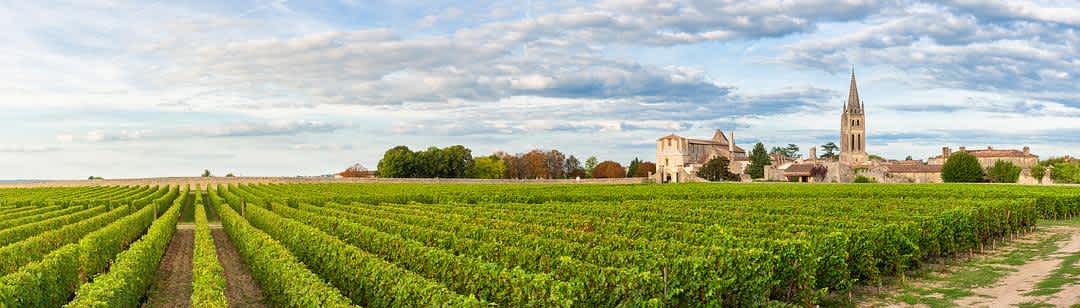
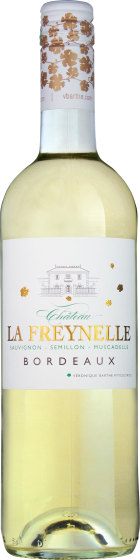
Bordeaux produces more white wine than most drinkers realize. The region synonymous with Cabernet Sauvignon and Merlot is also home to some of France's most compelling whites, built on blends of Sauvignon Blanc and Sémillon that deliver complexity single-varietal wines rarely match. From crisp, under-$20 bottles meant for Tuesday-night dinners to oak-aged collectibles that evolve for decades, white Bordeaux covers more ground than its reputation suggests.
White Bordeaux at a Glance
Sauvignon Blanc and Sémillon form the backbone of nearly every dry white Bordeaux. The two grapes play complementary roles. Sauvignon Blanc brings acidity, citrus aromatics, and herbal lift. Sémillon adds weight, waxy texture, and a honeyed depth that emerges with bottle age. A third grape, Muscadelle, sometimes enters the blend in small proportions, contributing a faint floral, spicy note.
The ratio between Sauvignon Blanc and Sémillon shapes the wine's personality more than almost any other decision a winemaker makes. Sauvignon-dominant blends lean crisp and aromatic, closer in feel to a Loire Valley white. Sémillon-dominant blends deliver a rounder, richer wine with more texture and staying power. Most white Bordeaux falls somewhere between these poles, which is what makes the category so versatile.
This versatility also makes white Bordeaux one of the better values in French wine. A Pessac-Léognan white with real complexity and oak influence can run $35 to $60. A white Burgundy of comparable depth, from a respected village like Meursault or Puligny-Montrachet, often starts above $50 and climbs fast. The grape varieties differ (Chardonnay in Burgundy versus the Bordeaux blend), but the quality-to-price ratio favors Bordeaux more often than most buyers expect.
Dry white Bordeaux and sweet Bordeaux are entirely separate categories. The dry wines covered in this guide come from appellations like Pessac-Léognan, Graves, and Entre-Deux-Mers. Sweet Bordeaux (Sauternes and Barsac) relies heavily on Sémillon affected by botrytis, a noble rot that concentrates sugars. Both are worth knowing, but they belong on different shelves and at different meals.
How the Grapes Shape the Blend
Sémillon is the quieter grape with the bigger structural role. It contributes body, a lanolin-like richness, and the capacity to age. In warmer vintages, it can lean toward stone fruit and beeswax. Sauvignon Blanc is the more expressive partner: grapefruit, green fig, cut grass, and a zing of acidity that keeps the blend lively. When both grapes are in balance, the wine has enough structure to hold up to food and enough freshness to drink on its own. Muscadelle, rarely exceeding 5–10% of the blend, adds a subtle floral perfume that rounds out the aromatic profile.
White Bordeaux by Region
The appellation on the label tells you more about a white Bordeaux's style and price than almost any other detail. Four appellations account for the vast majority of dry white production, each with a distinct identity.
1. Pessac-Léognan
Pessac-Léognan is the prestige address for dry white Bordeaux. Roughly 680 acres in the appellation are devoted to white grapes, a small fraction of its total vineyard area, and the best sites produce some of France's most age-worthy whites. The typical blend here leans on Sauvignon Blanc for aromatics, with a significant share of Sémillon for body, and the wines usually see barrel fermentation and aging in oak. That oak program gives top Pessac-Léognan whites a creamy, mineral-driven complexity that separates them from any other white in Bordeaux. Châteaux like Haut-Brion and Domaine de Chevalier set the benchmark, but the appellation also offers bottles in the $40 to $80 range that deliver serious quality. Expect citrus blossom, white peach, and a smoky minerality that develops with a few years of bottle age.
Pessac-Leognan, Bordeaux, France ● Bordeaux White Blends
Sold Out - was $40.00
2. Graves
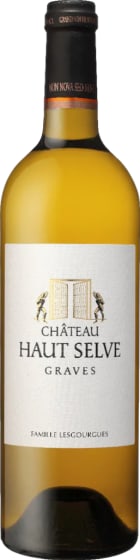
Graves is the broader appellation that surrounds Pessac-Léognan, and it follows the same blending philosophy at friendlier prices. The wines here range from Sémillon-dominant blends with rounder, more textured profiles to Sauvignon-forward bottles that emphasize citrus and stone fruit. Oak influence varies by producer. Some use partial barrel aging to add a subtle toasty note, while others ferment entirely in stainless steel. The result is a wide stylistic range, but the common thread is balance and drinkability. In the $20 to $50 range, Graves whites represent one of the strongest value propositions in all of Bordeaux. Classified white Graves account for roughly 3% of the appellation's total production, making them a genuine rarity worth seeking out.
Entre-Deux-Mers is Bordeaux's everyday-white appellation, and it carries an important distinction: only dry whites qualify for the name. The wines here lean heavily on Sauvignon Blanc, often blended with smaller portions of Sémillon and Muscadelle, and they skip oak aging entirely. The style is fresh, aromatic, and uncomplicated. Lime zest, green apple, and a clean mineral finish are the hallmarks. In the $10 to $20 range, these are some of the best-value dry whites in France, and they make a natural starting point for anyone tasting white Bordeaux for the first time.
Bordeaux Blanc is the catch-all appellation that covers dry whites from across the region. Quality varies widely, but the best bottles deliver clean, fruit-forward blends of Sauvignon Blanc and Sémillon at accessible prices. For $12 to $25, producers who care about quality can deliver wines with more character than many comparably priced single-varietal options from elsewhere. The appellation rewards a bit of exploration, and the best pours here punch well above their modest price tags.
New French oak barrels run over $1,200 each, and a standard 225-liter barrel holds about 300 bottles. That arithmetic helps explain why oak-aged white Bordeaux costs more than unoaked versions, and why the price tiers below correspond to real differences in what ends up in your glass.
1. Under $20: Everyday Whites
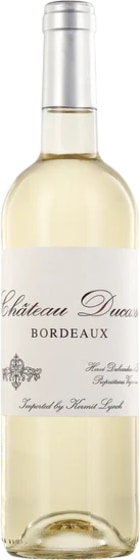
This tier belongs to Entre-Deux-Mers and generic Bordeaux Blanc. The wines are crisp, refreshing, and designed for drinking within a year or two of release. Stainless-steel fermentation keeps production costs low and the fruit flavors bright. Château Ducasse, a Graves producer with roots in the appellation, consistently delivers clean, Sauvignon-driven whites at this level that show what careful winemaking can achieve without the expense of barrel aging. These are weeknight wines: pour them with grilled fish, a simple salad, or on their own as an aperitif.
Graves and entry-level Pessac-Léognan define this range. Oak influence enters the picture here, adding vanilla, toast, and a rounder texture to the Sauvignon Blanc-Sémillon blend. Lower yields concentrate the fruit, and the winemaking involves more hands-on work: barrel fermentation, lees stirring, and longer aging before release. Château Picque-Caillou, located in the heart of Pessac-Léognan, illustrates what this tier delivers. Its whites carry the mineral signature and oak-framed complexity of the appellation at a fraction of what classified-growth bottlings command. For the $30 to $50 buyer, this tier offers the best balance of quality and value in white Bordeaux.
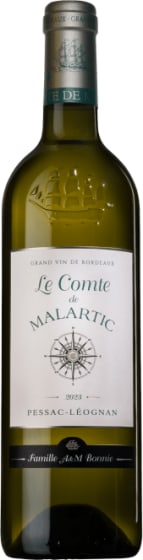
Pessac-Léognan classified-growth wines and their second labels represent the peak of available white Bordeaux. At $40 to $80, these bottles carry the full appellation pedigree: old-vine fruit selection, barrel fermentation in new and near-new French oak, and extended aging on the lees. Château Malartic-Lagravière, one of the appellation's classified estates, produces a second label that opens a window into this tier without requiring a collector's budget. The complexity here is where white Bordeaux begins to rival top white Burgundy. A premier cru Chablis or village-level Meursault at $50 to $70 delivers a single-varietal Chardonnay profile. A Pessac-Léognan white at the same price delivers layered aromatics, textural depth from the Sémillon component, and a mineral backbone shaped by the gravel soils that give the region its name.
Pessac-Leognan, Bordeaux, France ● Bordeaux White Blends
Sold Out - was $40.00
What to Eat with White Bordeaux
White Bordeaux's blend of acidity and weight makes it one of the more food-flexible white wines you can open. Serve dry whites at 50–55°F. Everyday bottles can go slightly cooler, while oak-aged Pessac-Léognan whites benefit from a slightly warmer pour that lets the complexity show.
Shellfish and raw bar: Oysters, shrimp, and crab are classic matches. The Sauvignon Blanc acidity cuts through brine, while Sémillon's weight stands up to richer preparations like lobster with drawn butter
Grilled fish: Sea bass, branzino, and halibut with herb sauces pair naturally. The wine's citrus and mineral notes echo the char and seasoning without competing
Poultry: Roast chicken with herbs, turkey breast, and lighter poultry dishes work well with mid-range white Bordeaux. The oak-aged versions handle richer preparations like chicken in cream sauce
Cheese: Goat cheese is a natural partner, especially with the Sauvignon Blanc-dominant blends. Aged Comté and Gruyère complement the richer, Sémillon-driven styles
Salads and vegetables: Asparagus, artichokes, and herb-forward dishes that can challenge other whites find a comfortable match in white Bordeaux. The blend's range of flavors accommodates vegetal and bitter notes well
Asian cuisine: Lighter sushi, ceviche, and Thai dishes with citrus-forward dressings pair with the crisp, unoaked styles from Entre-Deux-Mers
Summer entertaining: Charcuterie boards, crudités, and aperitif settings all work. A chilled bottle of Bordeaux Blanc is a versatile crowd-pleaser that doesn't require explanation
Quick Answers on White Bordeaux
Is White Bordeaux the Same as Sauvignon Blanc?
No. White Bordeaux is almost always a blend, with Sauvignon Blanc as one of two primary grapes alongside Sémillon. Pure Sauvignon Blanc from the Loire Valley or New Zealand tends toward sharp acidity and herbal intensity. White Bordeaux, because of the Sémillon component, delivers a rounder texture and more layered flavor profile. The blending is what gives white Bordeaux its distinct identity, separating it from single-varietal Sauvignon Blanc in both feel and aging potential.
Can White Bordeaux Age?
The best ones absolutely can. Top Pessac-Léognan whites, particularly from classified estates, can develop beautifully over 10 to 20 years and sometimes longer. The Sémillon component is the key driver: its waxy texture and resistance to oxidation give these wines a long runway. Everyday white Bordeaux from Entre-Deux-Mers or generic Bordeaux Blanc is built for near-term drinking, typically within two to five years of the vintage. If you want to cellar a white Bordeaux, look for Pessac-Léognan or classified Graves with a healthy share of Sémillon in the blend.
What Is the Difference Between Dry and Sweet White Bordeaux?
Dry white Bordeaux comes from appellations like Graves, Pessac-Léognan, and Entre-Deux-Mers. These wines ferment all their sugar into alcohol and pair with savory food. Sweet white Bordeaux comes from Sauternes and neighboring Barsac, where the grapes are affected by botrytis (noble rot) that concentrates their sugars. Sauternes blends typically contain around 80% Sémillon. The resulting wine is rich, golden, and intensely sweet, pairing with desserts, foie gras, and blue cheese. Both styles are excellent, but they serve entirely different purposes at the table.
How Does White Bordeaux Compare to White Burgundy?
They share a commitment to terroir expression and oak-influenced winemaking at the top level, but the grapes create fundamentally different wines. White Burgundy is 100% Chardonnay: rich, buttery, and nutty in its classic expression. White Bordeaux blends Sauvignon Blanc and Sémillon, producing wines with more herbal complexity and a leaner acidity profile. The value gap is significant. An entry-level Pessac-Léognan white at $35 to $50 can deliver structural complexity and mineral depth that would require spending $60 to $100 in Burgundy. For the drinker who wants oak-aged French white wine without the Burgundy premium, white Bordeaux deserves serious consideration.
What Temperature Should I Serve White Bordeaux?
Aim for 50 to 55°F for dry whites. Everyday bottles from Entre-Deux-Mers and Bordeaux Blanc can be served toward the cooler end of that range. Oak-aged Pessac-Léognan and Graves whites benefit from a slightly warmer temperature, around 53 to 55°F, which lets the textural complexity and aromatic layers come through. Pulling the bottle from the refrigerator 15 to 20 minutes before pouring usually gets you to the right place. Over-chilling masks the flavors you paid for, especially in the $30-and-up range.
Where to Start with White Bordeaux
An unoaked Bordeaux Blanc or Entre-Deux-Mers with grilled shrimp on a warm evening is a different experience than a barrel-fermented Pessac-Léognan with seared scallops in December. Both are worth having. The category covers enough stylistic ground that your preference for one does not need to exclude the other.
White Bordeaux rewards stepping across price tiers and appellations. A $15 Entre-Deux-Mers and a $45 Graves can both surprise you, and the Sémillon-Sauvignon Blanc blend evolves in ways that keep each new bottle interesting. The region's range is part of what makes it worth returning to.