The Essential Bold Red Wine Guide: Styles, Regions, and Bottles Worth Exploring
A bold red wine announces itself the moment it hits your palate: dense fruit, firm tannin, and enough structure to stand up to a charcoal-crusted ribeye. The category spans continents and grape varieties, from Napa Valley Cabernet Sauvignon to Mendoza Malbec to Barossa Valley Shiraz, each delivering weight and intensity through different combinations of climate, grape, and winemaking decision. This guide maps the grapes, regions, and bottles that define the style, with specific picks for anyone ready to explore beyond the familiar.
Bold Red Wine at a Glance
Most top Napa Cabernet Sauvignons contain 10–25% Merlot, Cabernet Franc, Petit Verdot, or Malbec, yet the bottle carries a single varietal name. That blending reality runs through the entire bold red wine category: what reads as one grape on the label is often a carefully constructed blend designed to balance power with complexity. Understanding the components that create boldness helps explain why two wines from the same grape can taste so different.
Four factors determine whether a red wine lands in bold territory. Alcohol level is the most measurable: bold reds typically range from 13.5% to 16% ABV, with the higher end concentrated in warm-climate regions like Paso Robles and the Barossa Valley. Tannin structure provides the grip and texture that distinguish a full-bodied red wine from a medium-bodied one, drawn from grape skins during extended maceration and reinforced by oak aging. Fruit concentration reflects yield decisions in the vineyard, where restricting crop loads produces smaller berries with more intense flavor compounds. Oak influence adds the final layer: new French oak barrels cost $900–$1,200 each and are typically used for only one to three vintages, contributing vanilla, spice, and structural tannin that shape the wine's texture and finish.
These four elements interact differently depending on where the grapes are grown. A full-bodied red wine from a warm climate tends toward ripe, plush fruit with softer tannins, while the same grape variety grown in a cooler region produces wines with higher acidity, firmer structure, and more restrained fruit character.
How Bold Red Wine Tastes (And Why It Varies)
The difference between a warm-climate bold red and a cooler-climate one shows up first in fruit expression: ripe blackberry and plum versus tart cherry and cassis. That single variable, ripeness at harvest, cascades through every other element of the finished wine.
Three flavor axes define the range within bold reds. Fruit character moves from jammy and sweet-smelling in warmer sites to savory and herbal in cooler ones. Oak influence separates wines aged in new barrels, which carry vanilla, toast, and baking spice, from wines aged in neutral oak or concrete, which let the grape and site speak without a wood overlay. Tannin texture varies from plush and round, common in wines with extended cold soak and gentle extraction, to angular and gripping, typical of wines built for long cellaring. When you taste a bold red and find it "smooth," you are usually responding to ripe fruit and fine-grained tannin working together. When you find it "structured," the tannins and acidity are more prominent, a signal the wine may reward a few years in the cellar.
The Boldest Red Wine Grapes and Where They Grow
Six grape varieties account for the majority of the world's bold red wine production, each bringing a distinct combination of tannin, fruit density, and regional character to the glass.
1. Cabernet Sauvignon
Cabernet Sauvignon sets the benchmark for bold reds, and its dominance starts in Napa Valley, where warm days and cool nights produce wines with concentrated blackcurrant fruit and firm, age-worthy tannin. Most premium Napa bottlings include 10–25% of blending partners like Merlot or Cabernet Franc, which add mid-palate roundness and aromatic complexity the named grape doesn't always deliver on its own. Bordeaux's Left Bank takes a more restrained approach, leaning on the same grape but producing wines with higher acidity and more graphite, tobacco, and earth. Expect deep color, chewy tannin, and enough structure to pair with braised short ribs or a well-aged hard cheese.
Alexander Valley, Sonoma County, California ● Cabernet Sauvignon
94 James Suckling
92 Wine Enthusiast
$59.99
$59.99
2. Syrah and Shiraz
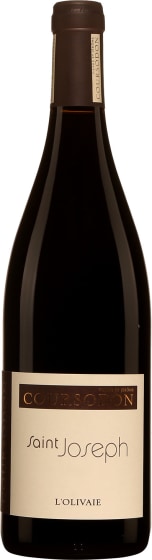
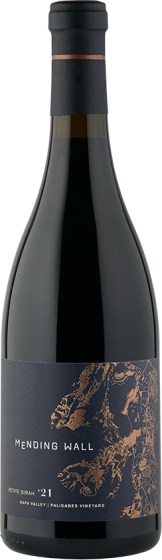
The same grape goes by two names and produces two distinct styles. In the Northern Rhône, Syrah delivers peppery, savory wines with dark fruit, smoked meat, and olive notes, built on granitic soils that add a mineral backbone. Cross the equator to Australia's Barossa Valley, and the grape becomes Shiraz: richer, riper, with blackberry compote, dark chocolate, and a plush texture that comes from warmer temperatures and often more generous oak programs. Washington State splits the difference, producing Syrah with Rhône-like aromatics and New World fruit concentration. Whichever style you pour, decanting for 30–45 minutes opens up the aromatics considerably.
Yakima Valley, Columbia Valley, Washington ● Syrah/Shiraz
98 Jeb Dunnuck
98 James Suckling
95 Robert Parker
93 Wine Spectator
Sold Out - was $39.99
3. Malbec
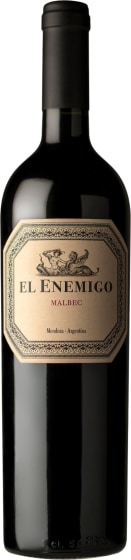
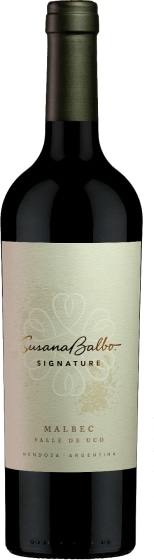
Argentina transformed Malbec from a minor Bordeaux blending grape into one of the world's most popular bold reds. Grown at elevation in Mendoza, where intense sun exposure and cool nighttime temperatures produce grapes with deep color and concentrated dark fruit, Malbec delivers plum, blackberry, and violet aromas wrapped in velvety tannins that are approachable even when the wine is young. Cahors, in southwestern France, still produces the grape's ancestral style, which tends to be more tannic and earthy. For a weeknight steak or a Sunday afternoon empanada spread, Mendoza Malbec in the $20–$40 range is one of the best values in bold red wine.
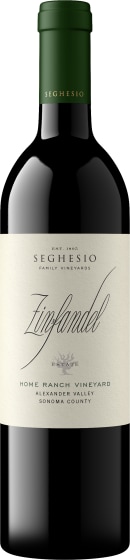
California's signature red grape produces wines that run hot in every sense. Zinfandel is notorious for uneven ripening on the same cluster: some berries reach optimal sugar while others are still underripe, which forces winemakers to pick late and accept higher alcohol levels, often 14.5–16% ABV. The result is a wine packed with boysenberry, black pepper, and baking spice, with a brambly energy that sets it apart from the polished structure of Cabernet. Lodi, Paso Robles, and Sonoma's Dry Creek Valley produce the most compelling expressions, and old-vine bottlings from heritage plantings add concentration and savory depth. Zinfandel is also known as Primitivo in southern Italy, where the grape produces a similarly full-bodied, fruit-driven red. This is a natural match for barbecue, smoked brisket, or anything with a sweet-spice rub.
Alexander Valley, Sonoma County, California ● Zinfandel
94 Wine Spectator
Sold Out - was $65.00
5. Tempranillo
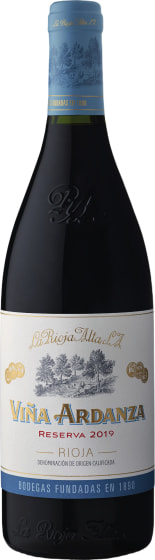
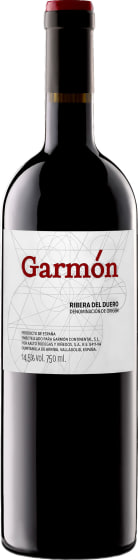
Spain's most important red grape anchors two of the country's most respected wine regions. In Rioja, Tempranillo spends extended time in American oak, developing flavors of leather, dried cherry, tobacco, and coconut that become more complex with bottle age. Ribera del Duero takes a more concentrated approach, with higher elevation vineyards producing wines that have darker fruit, firmer tannin, and a mineral edge. The grape also appears under the name Tinta de Toro in the warmer Toro region, where it produces some of Spain's most powerful reds. Tempranillo-based wines pair exceptionally well with lamb, cured meats, and roasted vegetables with smoky spice.
Despite its name, there is nothing petite about this grape. Petite Sirah, also known as Durif, produces some of the most deeply colored and intensely tannic red wines available. The berries are small with thick skins, which means the ratio of skin to juice is high, delivering inky purple color, massive tannin, and flavors of blueberry, black plum, and dark chocolate. California grows the majority of the world's Petite Sirah, with Paso Robles and Lodi producing standout examples. The wine rewards cellaring: those heavy tannins soften over 5–8 years into something plush and layered. Pour it alongside a pepper-crusted steak or a rich mushroom ragout.
Bold Reds Beyond California: International Alternatives Worth Exploring
If your wine rack is lined with Napa Cabernet and Sonoma Zinfandel, the world's other bold red wine regions offer familiar intensity with unfamiliar signatures. The common thread among California's best reds is ripe fruit, plush texture, and generous oak. Several international regions deliver those same qualities while adding their own terroir-driven complexity, often at a lower price point.
1. Argentina: The Malbec Connection
Argentine Malbec is the most direct bridge for California red fans. Mendoza's high-altitude vineyards, some planted above 4,000 feet, produce Malbec with the same dark fruit concentration and soft tannin profile that makes Napa Cabernet so approachable, but with a floral lift and spice note that Cabernet rarely delivers. The Uco Valley sub-region has become the source of Argentina's most serious bottlings, where cooler temperatures at elevation add acidity and structure. In the $25–$50 range, Argentine Malbec competes with California reds costing significantly more on fruit purity and drinking pleasure.
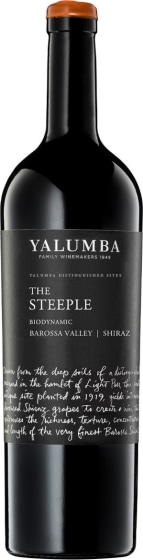
Barossa Valley Shiraz offers the generous, fruit-forward style that Zinfandel fans recognize, with added layers of dark chocolate, licorice, and eucalyptus. The region's old vines, some over a century old, produce tiny yields of concentrated fruit. Old-vine fruit from low-yield blocks can cost 3–5 times more per ton than young-vine fruit from the same appellation, which explains the price premium on heritage bottlings. McLaren Vale and the Clare Valley deliver their own takes on Australian Shiraz, with more savory, earthy character that tilts closer to Rhône Syrah than to the Barossa's richer style. For California Cab lovers, a Barossa Shiraz-Cabernet blend hits the sweet spot between familiar and new.
McLaren Vale, South Australia, Australia ● Syrah/Shiraz
95 Wine Enthusiast
94 Australian Wine Companion
Sold Out - was $70.00
3. Spain: Rioja, Ribera del Duero, and Priorat
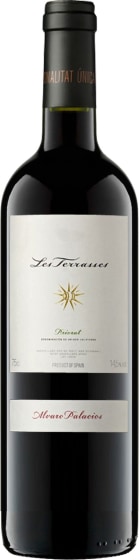
Spanish reds bring earthy complexity to the bold wine conversation. Priorat, in Catalonia, produces Garnacha (Grenache) and Cariñena blends from ancient slate soils that deliver concentrated, mineral-driven wines with the weight of a Napa Cabernet and the savory depth of a Northern Rhône Syrah. Ribera del Duero's Tempranillo-based reds share Zinfandel's dark fruit intensity but add a leather and tobacco dimension from extended oak aging. Aged Rioja Reserva and Gran Reserva bottlings offer some of the best value in the bold red category, with complex, cellar-evolved character at prices well below comparable aged wines from Bordeaux or Napa.
4. Southern Rhône and Languedoc: France's Bold Side
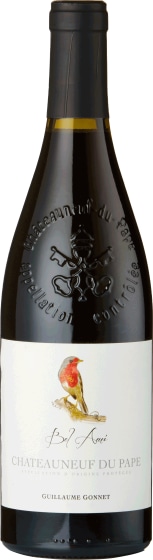
France is not all restrained Burgundy and tannic Bordeaux. The Southern Rhône and Languedoc produce Grenache-dominant blends (often called GSM for Grenache, Syrah, Mourvèdre/Monastrell) that deliver warmth, spice, and ripe red fruit with a Mediterranean herbal quality. Châteauneuf-du-Pape is the flagship appellation, where old-vine Grenache from rocky, heat-retaining soils produces wines with 14.5–15.5% alcohol and a lush, layered texture. The Languedoc's La Clape and Minervois sub-regions offer similar intensity at a fraction of the price. These wines pair naturally with Provençal cooking: lamb with herbs, ratatouille, grilled sausages.
La Clape, Languedoc, South of France, France ● Rhône Blends
93 Wine Enthusiast
92 James Suckling
91 Decanter
$51.99
$51.99
Bold Red Wine at the Table
Bold reds earn their reputation at the dinner table, where their tannin and fruit concentration match the richness of hearty food. A few practical guidelines make the pairing process reliable.
Food pairings that work:
Grilled red meat: Cabernet Sauvignon and thick-cut steaks are a classic match because the wine's tannin cuts through the fat, and the char complements the oak-derived toast in the wine
Braised dishes and stews: Slow-cooked beef bourguignon, short ribs, or osso buco call for wines with the structure to stand up to long-simmered richness; Syrah and Tempranillo excel here
Hard aged cheeses: Manchego, aged Gouda, and Parmigiano-Reggiano create a salt-and-tannin contrast that makes both the wine and cheese taste more complex
Charcuterie and cured meats: The fat and salt in prosciutto, sopressata, and dry-aged salami smooth out a young wine's tannins
Hearty vegetarian dishes: Portobello mushroom steaks, eggplant Parmesan, and lentil-based stews have enough umami and texture to complement bold reds without needing animal protein
Dark chocolate: Bittersweet chocolate with 70%+ cacao pairs with Zinfandel and Malbec; the wine's fruit sweetness offsets the chocolate's bitterness
Serving guidance:
Temperature: Serve bold reds between 60–65°F. Pulling the bottle from the cellar or refrigerator 20 minutes before serving gets most wines into the right range; too warm and the alcohol dominates, too cold and the tannins taste harsh
Decanting: Young, tannic bold reds benefit from 30–60 minutes in a decanter. Older wines (10+ years) need a gentler pour to separate from sediment but less aeration time
Glassware: A large-bowled glass with a wide opening concentrates aromatics while allowing the wine to breathe in the glass between sips
Common Questions About Bold Red Wine
Are Bold Red Wines Always Dry?
Nearly all bold red wines are dry, meaning they contain little to no residual sugar. The perception of sweetness that many drinkers notice in wines like Zinfandel or Malbec comes from ripe fruit flavors and higher alcohol, not from sugar left in the wine. Fruit-forward character and actual sweetness are two different things. If a bold red tastes "sweet" to you, the winemaker likely harvested ripe fruit and used oak aging that emphasizes vanilla and baking spice. The rare exceptions include some late-harvest Zinfandels and fortified wines like Port, which are intentionally sweet.
What Temperature Should You Serve Bold Red Wine?
The standard recommendation is 60–65°F, which is cooler than most room temperatures. Serving a bold red too warm amplifies the alcohol and makes the wine taste "hot" and unbalanced. A simple approach: if the bottle has been sitting on the counter, give it 15 minutes in the refrigerator before opening. If it has been in a cellar or wine fridge at 55°F, let it sit on the counter for 15–20 minutes. Older wines with developed tertiary flavors benefit from serving at the warmer end of the range, around 64–65°F, where those subtle leather and dried-fruit notes are more expressive.
Do You Need To Decant Bold Red Wine?
Young, tannic wines benefit the most from decanting. A vigorous pour into a wide-bottomed decanter exposes the wine to oxygen, which softens tannins and opens up aromatics that are otherwise locked behind the wine's youthful structure. Thirty to sixty minutes is typical for a young Cabernet Sauvignon or Petite Sirah. Older wines that have already developed in the bottle need a gentle decant to separate the liquid from any sediment, but they do not need extended aeration, since too much oxygen can cause fragile older wines to fade quickly. If you do not own a decanter, pouring the wine into your glass 20–30 minutes before drinking accomplishes much of the same effect.
What Are the Best Bold Red Wines Under $30?
Several regions consistently deliver bold character at accessible prices. Argentine Malbec from Mendoza is the strongest category in this range, with concentrated dark fruit and soft tannins that drink well on release. Portuguese reds from the Douro Valley and Alentejo offer structure and complexity that punch above their price. Chilean Cabernet Sauvignon from the Central Valley provides ripe fruit and clean oak at prices that make it a reliable weeknight option. Spanish Garnacha from Calatayud and Campo de Borja delivers old-vine concentration for under $15, making it one of the best values in all of wine.
If I Like California Reds, What Should I Try From Other Countries?
Start with Argentine Malbec, which shares California's ripe fruit and approachable tannin but adds floral and spice notes at a lower price point. Australian Barossa Valley Shiraz offers the same generous, full-bodied style as California Zinfandel with added chocolate and licorice complexity. For Cabernet Sauvignon fans, Spain's Priorat region produces Garnacha-based blends with similar weight and concentration but more mineral, earthy character. Southern Rhône wines like Châteauneuf-du-Pape deliver warmth and spice through Grenache-dominant blends that feel familiar in body and intensity. Each of these regions offers a distinct take on boldness that will expand your palate without abandoning the style you already enjoy.
Finding Your Bold Red Wine
Boldness is a spectrum, and the best bold red wine is the one that matches your palate and the occasion in front of you. Whether you gravitate toward the polished structure of Napa Cabernet, the brambly energy of old-vine Zinfandel, or the velvety richness of Mendoza Malbec, personal preference is the only authority that matters.
The range within this category is wider than most drinkers realize. A single grape variety can produce radically different wines depending on where it is grown, how the fruit is handled, and how long it spends in oak. Exploring across regions and styles, even within the same grape, is the fastest way to sharpen your palate and find the bottles that keep you coming back.
Wine.com's collection of more than 16,000 wines includes bold reds from every region and price tier covered in this guide. Browse bold red wines at Wine.com to find your next bottle.