Blue Cheese Wine Pairing, Explained: Styles, Pairings, and What to Pour
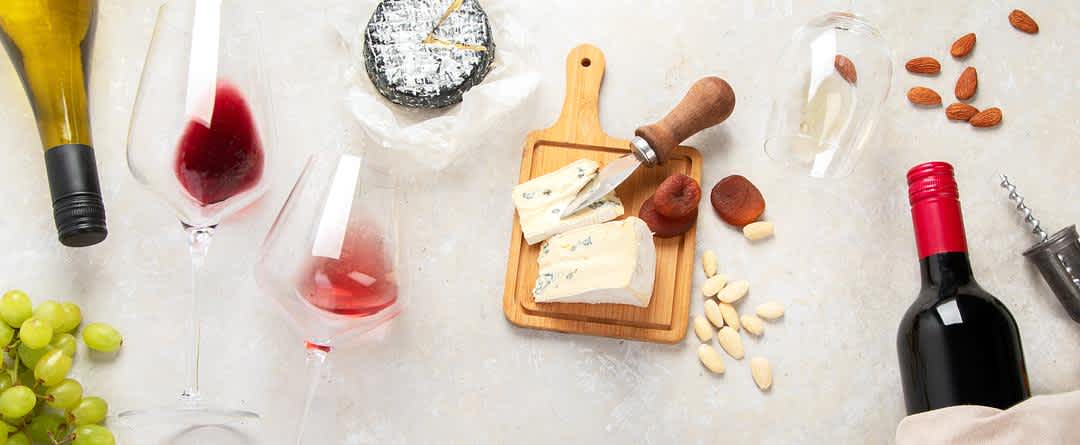
Blue cheese has a reputation for being hard to match, but it is one of the most rewarding pairings you can put on a table. The salt and pungency that make it seem difficult are exactly what turn a sweet, high-acid wine into something greater, and the effect is dramatic when you get it right. The classic answers are Port and Sauternes, and the field runs much wider than those two names suggest.
Why Sweet and Salty Is the Key to Blue Cheese Pairing
Salt does quiet work on your palate. It suppresses bitterness and pushes the perceived sweetness of a wine forward, which is why a sweet wine tastes rounder and cleaner next to a salty blue. The cheese, in turn, meets its match. Residual sugar in the wine tames the sharp, peppery bite of the mold, so neither side overwhelms the other. Acidity handles the last job, cutting through the fat that coats your mouth and resetting your palate for the next bite. Three forces are at play at once, and each one solves a problem the cheese creates. That is why a bone-dry wine so often falls flat here: strip out the sugar, and the salt and pungency have nothing to push against.
Balance only holds when the weights are close, and that brings up intensity matching. A milder blue like Gorgonzola Dolce or Cambozola is creamy and gentle, so it wants a lighter, more delicate sweet wine that will not bury it. An assertive blue is a different animal. Roquefort, Stilton, and Spanish Valdeón carry real power, salt, and funk, and they need a wine with enough concentration and sweetness to stand toe to toe. A creamy, mild blue melts across the palate, while a firm, aged one hits with a salty, mineral edge that lingers, and those two textures ask for very different partners. Match a bold cheese with a shy wine and the cheese wins every time. The reverse fails too: a big, syrupy wine flattens a soft blue and leaves you tasting only sugar. The goal is a pairing where neither the wine nor the cheese has to shout. Get the weights right, and both taste better than they did alone.
Dessert Wines for Blue Cheese
Sweet wine owns this pairing for a simple reason: it brings the sugar and acid that blue cheese demands in the same glass. Every other category has to work around a weakness, while sweet wine arrives with both tools already in hand. The category is deep and varied, running from botrytized whites to fortified reds, and each style leans toward a different kind of blue. Once you learn which sweet wine suits which cheese, the rest of the board falls into place. These dessert wines are the ones worth reaching for first.
1. Sauternes and Roquefort
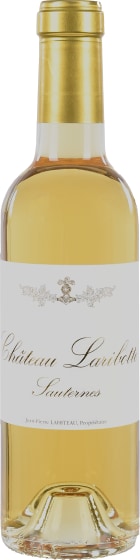
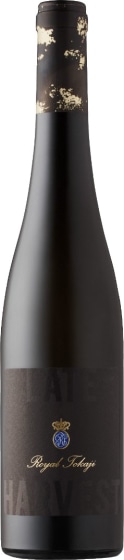
Sauternes is a botrytized sweet wine from Bordeaux, made from grapes touched by noble rot that concentrates their sugars and flavor. That process gives the wine its signature notes of honey and apricot, along with a lush texture and bright acidity underneath. The result is a wine that is sweet without being cloying, because the acidity keeps everything in check. Roquefort is a sheep's-milk blue, tangy and salty, and its richness finds a natural counterweight in the honeyed depth of Sauternes. The pairing is a benchmark for a reason: the wine's sweetness softens the salt while its acid keeps the whole thing lively. Sheep's-milk blues tend to run especially salty, which is exactly the quality that a honeyed wine handles so well. For a Hungarian parallel, Tokaji Aszú offers the same botrytis character with its own apricot and marmalade profile, and it works just as well with a pungent sheep's-milk blue.
Port is a fortified wine from Portugal's Douro Valley, and it splits into styles that suit very different blues. Fortification stops fermentation early, which leaves natural sweetness in the wine and gives it the body that blue cheese loves. Vintage Port is bold, structured, and built for the long haul: it can age 50+ years in bottle, while Ruby and Tawny styles are made to drink younger. That power makes Vintage Port the classic partner for aged Stilton, an earthy English blue with the depth to meet it. Port's sweetness balances salty and bitter foods, which is why Stilton, dark chocolate, and walnuts all sit so comfortably alongside it. Tawny Port takes a gentler path, with nutty, caramel-toned flavors that pair beautifully with milder blues like Gorgonzola Dolce. Vintage Port is excellent with blue cheese, especially Stilton or Gorgonzola, and choosing between Vintage and Tawny comes down to how intense your cheese is.
Late-harvest Riesling stays bright where other sweet wines go heavy. Grapes left on the vine past the normal harvest build up extra sugar, yet the variety holds onto its acidity, so the wine tastes sweet and crisp at once. Its high acidity, stone-fruit flavors, and floral lift keep the wine feeling fresh even with real sugar in the glass. That energy makes late-harvest Riesling a smart choice for creamier, milder blues such as Cambozola or Bleu de Bresse, where a lighter touch lets the cheese speak. A heavier wine would smother these gentler cheeses, but Riesling's acidity keeps the pairing from turning rich on rich. The wine flatters the cheese without flattening it. If you want something even more approachable, Moscato d'Asti offers gentle sweetness and a soft sparkle that plays the same role at lower alcohol, and the light fizz gives creamy cheeses a welcome lift.
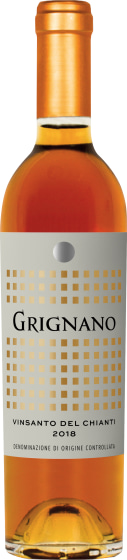
Beyond the famous names sits a set of sweet wines that reward a little curiosity. Maury is a Grenache-based fortified wine from Roussillon, a neighbor of Banyuls that shares the same vin doux naturel tradition, and its dark berry sweetness handles bold blues with ease. The same warm-climate richness that suits a Roquefort or a Valdeón lives in these wines too. Vin Santo is a Tuscan dried-grape wine, nutty and honeyed, and it brings a nuttiness that echoes an aged blue's savory side. Drying the grapes before pressing concentrates their sugar, which is what gives the wine the weight to match a strong cheese. Madeira rounds out the group with caramel and roasted-nut character that stands up to salt and funk alike, and its own streak of acidity keeps it from feeling flat against a rich cheese. These are the picks to explore once the classics feel familiar, and each one gives a well-worn board something new to say.
Red wine is a harder road with blue cheese, but the right bottle holds its own. Dry reds lack the sugar that sweet wines lean on, so they have to win on structure instead. The trick is to match tannin structure and fruit concentration to the intensity of the cheese, leaning on bold reds rather than delicate ones. A red with ripe fruit and firm grip has the weight to meet salt and funk without folding. Cabernet Sauvignon and its full-bodied peers do this best, especially on a board or with cooked dishes where other flavors ease the tannin into place.
Cabernet Sauvignon: tannic structure stands up to aged blues; good on boards with nuts and dried fruit
Malbec: softer tannins, dark fruit; bridges with Roquefort or Valdeón
Zinfandel: ripe fruit and spice; complements milder, creamier blues
White Wines and Blue Cheese
White wine is the least conventional direction here, and it asks for the right setting to shine. It works best with lighter boards and blue-cheese salads, where the cheese plays a supporting role rather than the lead and a crisp white can keep pace with the dressing and greens around it.
Gewürztraminer: aromatic, off-dry styles echo the cheese's intensity
Oaked Chardonnay: richness matches the fat
Sauvignon Blanc: high acid cuts through creamy blues
Blue Cheese Wine Pairing Questions, Answered
Which Dessert Wine Pairs Best with Blue Cheese?
There is no single winner, because the best dessert wine depends on the cheese in front of you. Sauternes is the go-to for pungent blues, since its honeyed sweetness and acidity tame the salt without turning heavy. Port suits earthy, aged blues that need a wine with matching depth and power to stand alongside them. For mild, creamy blues, late-harvest Riesling keeps things bright and light so the cheese never gets buried. The common thread is sweetness balanced by acid, which is what every good match here relies on. Start with the cheese, and the wine chooses itself.
Does the Type of Blue Cheese Change the Wine Pairing?
Yes, and it is the most important factor in the whole equation. Roquefort, a salty sheep's-milk blue, shines with Sauternes because the wine's honeyed sweetness meets its sharp bite head-on. Stilton, earthy and aged, calls for the structure of Vintage Port to match its depth. Gorgonzola Dolce is softer and creamier, so it does better with Tawny Port or a lightly sparkling Moscato d'Asti that will not overpower it. Cambozola, gentle and buttery, pairs neatly with late-harvest Riesling. Intensity is your guide every time: the stronger the cheese, the bolder the wine needs to be.
Can You Pair Red Wine with Blue Cheese?
Yes, as long as you reach for a bold red. Cabernet Sauvignon, Malbec, and Zinfandel all bring the tannin and fruit concentration needed to stand up to a strong cheese. Reds tend to work best on a cheese board or with cooked dishes that include blue cheese, where nuts, dried fruit, and other flavors soften the clash. Lighter, low-tannin reds struggle here, because they have neither the sweetness nor the grip to hold their ground. Think power, not finesse, and the pairing has a fighting chance.
What Is the Best Wine for a Cheese Board with Blue Cheese?
For a board that mixes blue with other cheeses, versatility is the goal. Port and off-dry Riesling both handle a range of styles, from soft and creamy to sharp and aged. Port brings sweetness and body that flatter richer cheeses and hold up to the strongest blue on the plate. Off-dry Riesling keeps the palate fresh across the whole spread, resetting your taste between very different bites. Either one lets you serve a varied board without pouring three different bottles. That flexibility is what makes them board-friendly.
Your Next Bottle
You now have a short cheat sheet for the pairings that matter most. Pour Sauternes for a Roquefort cheese course when you want the pairing to feel like an event, reach for Tawny Port when a Gorgonzola moment calls for something mellow after dinner, and open a late-harvest Riesling for a casual Cambozola board on a weeknight. Each match is built on the same sweet-and-salty logic, so once you see it work, you can repeat it with confidence. The occasion sets the tone, and the cheese points you to the bottle.
When the classics start to feel routine, chase down a lesser-known bottle and see what it does. A Maury from Roussillon or a Tuscan Vin Santo brings the same sweetness with a flavor twist worth meeting, and both make an ordinary board feel like a small discovery. Neither one costs a fortune, and both hold their own against a serious blue.
Wine.com carries the full range covered here, from Bordeaux Sauternes to Douro Port to the discovery bottles worth a detour, so the right match for your next board is only a few clicks away. The right bottle is waiting whenever you are ready to pour. Browse Blue Cheese–Friendly Wines at Wine.com