The Essential Summer Wines Guide: Whites, Rosés, and Chillable Reds
Summer wines are the bottles built for warm weather: fresh, bright with acidity, and light on tannin, the compound that makes some reds taste firm. Heat rewards these qualities, which is why a chilled glass beats a heavy red on a hot afternoon. The category spans crisp whites, dry rosés, chillable light reds, and sparkling wines.
Summer Wines at a Glance
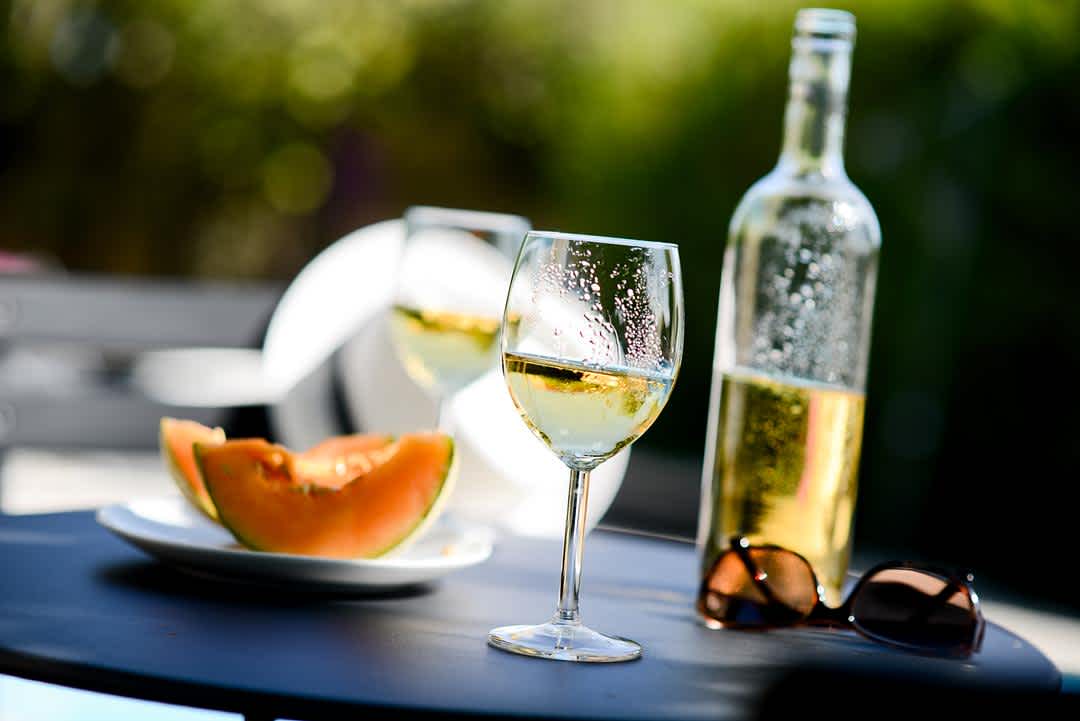
A chilled glass beads with condensation in the sun, while a warm, tannic red turns heavy and flat in the same heat. That contrast explains most of what makes a wine feel right in summer.
Cooler serving temperatures keep flavors crisp and lift aromatics that warmth would dull. Bright acidity does the heavy lifting: it makes each sip taste clean and refreshing, the way lemonade beats warm cola on a hot day. Lower tannin matters too, since firm, grippy reds tend to feel harsh when the weather is warm.
Wines with less tannin and more freshness simply go down easier. Our summer wine hub covers the full primer, from grape choices to serving tricks, if you want to go deeper.
Summer Wines By Style
Four styles handle summer heat especially well: crisp whites, dry rosé, chillable light reds, and sparkling wines. Each brings freshness and easy drinking, but they suit different meals and moments. The best pick depends on the food and how warm the day is.
1. Crisp White Wines
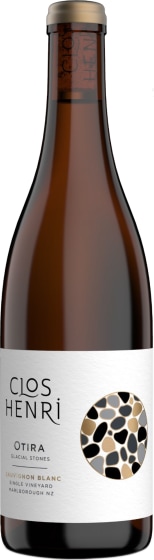
Crisp white wines are the summer default, high in acidity and light on oak, which keeps them lean and refreshing. Sauvignon Blanc leads the group with sharp citrus and cut grass. Albariño (called Alvarinho in Portugal) and Vermentino round out the aromatic, high-acid family, offering green apple, sea salt, and white peach.
Acidity: look for a tart, mouth-watering edge that keeps the wine lively
Oak: skip heavily oaked whites in summer, since oak adds weight and vanilla richness
Aromatics: lean toward citrus, herb, and orchard-fruit scents that read as fresh
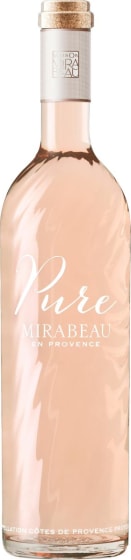
Dry rosé ranges from pale, barely-pink Provence styles to deeper, bolder pinks with more grip. The color comes from brief contact with red grape skins: a few hours gives a pale blush, while a longer soak pulls out deeper pink and more flavor. Most summer rosé is made dry, meaning little to no sweetness, with notes of strawberry, orange zest, melon, and crushed herb.
Dryness: most dry rosé lists as "dry" or "sec," with crisp acidity and no sugary finish
Color and body: paler wines tend to taste lighter, while deeper pinks carry more weight and fruit
Food range: rosé works across a wide table, from salads to grilled fish to lighter meats
Cotes de Provence, Provence, South of France, France ● Rosé
91 Vinous
Sold Out - was $30.00
3. Chillable Light Reds
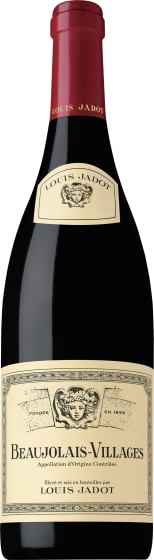
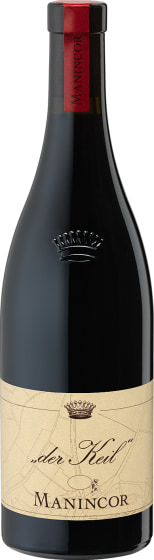
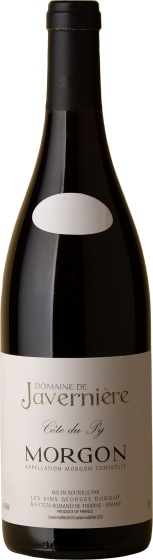
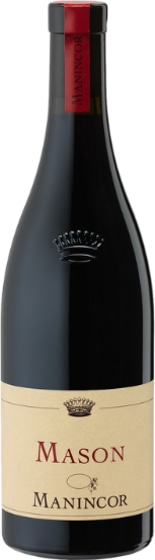
Light, low-tannin reds belong in the fridge during summer. Gamay, the grape behind Beaujolais, along with lighter Pinot Noir and Alpine Schiava (also called Vernatsch), all taste better with a short chill. Cooling tames any warmth from alcohol and makes their bright red-fruit flavors pop. When you want a fuller pour for the grill instead, our guide to bold red wines for a summer barbecue covers those heavier styles.
Body: choose light to medium reds that feel closer to a rich rosé than a heavy Cabernet
Tannin: keep tannin low, since firm tannins taste harsher when a red is cold
Chill time: give these reds 15–20 minutes in the fridge to reach a cool 55°F
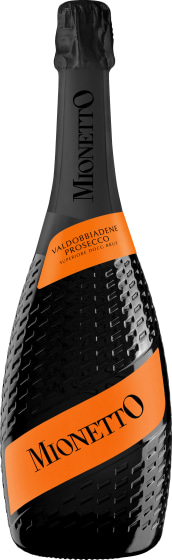
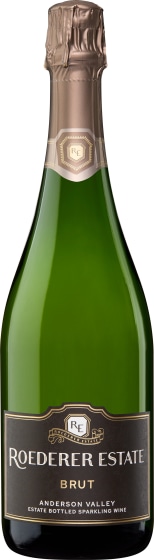
Sparkling wines make summer feel like an occasion, and the styles cover every budget. Prosecco from Italy is soft and fruity, Cava from Spain is crisp and a bit nutty, and French Crémant offers a fuller, toastier, creamier take. Traditional-method sparklers, made like Champagne, deliver the finest, most persistent bubbles.
Sweetness level: look for "Brut" on the label for a dry style, the most food-friendly choice
Method: traditional-method wines cost more but bring finer bubbles and toasty depth
Occasion: lighter Prosecco suits casual afternoons, while richer fizz shines at celebrations
Anderson Valley, Mendocino, California ● Non-Vintage
95 Jeb Dunnuck
95 James Suckling
94 Decanter
93 Tasting Panel
93 Wine Spectator
92 Robert Parker
91 Wine & Spirits
90 Vinous
$37.99
$37.99
Sweeter And Off-Dry Options For Warm Weather
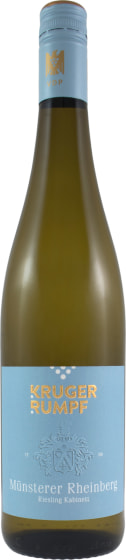
A touch of sweetness can balance heat, both the weather and the spice on the plate. Off-dry wines, which carry a hint of sugar, cool the burn of chili and match the flavors of brunch. Riesling is the classic here, and Moscato (made from the Muscat grape) brings floral, grapey charm. Off-dry rosé fills the same role with red-fruit flavor and a soft finish.
Off-dry Riesling: bright acidity balances the sweetness, keeping the wine fresh and clean
Moscato: low in alcohol and lightly fizzy, with floral and peach notes
Off-dry rosé: a little sweetness softens the edges and suits spicy dishes
An extra $10 to $20 per bottle usually buys more concentration, better grape sourcing, and more time aging in the cellar. At the low end, wines are made for easy, everyday drinking. As the price climbs, the fruit comes from better sites and the winemaking gets more careful.
1. Everyday Bottles (Under $20)
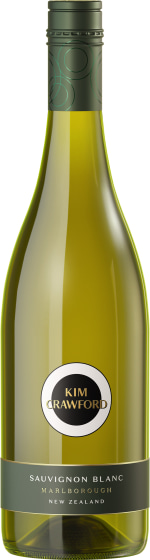
Under $20, the goal is reliability: clean, fresh wines that deliver the same quality bottle after bottle. Large, well-run producers do this best, because their scale smooths out the ups and downs of each harvest. Marlborough's Kim Crawford shows how a big, consistent operation turns New Zealand Sauvignon Blanc into a dependable everyday pour.
The step up to $20–$40 often shows in the oak. A standard 225-liter barrel holds about 300 bottles, so the barrel's cost is spread across every one of them.
An American oak barrel costs about $400. French oak starts at $1,200 or more, so the barrel choice alone can add several dollars to each bottle. Napa's Cakebread Cellars shows what careful oak aging brings to a white at this tier: added texture and a rounder feel.
Above $40, the price often reflects where the grapes grow. A single-vineyard wine, made from one prized plot, typically yields just 1 to 2 tons of fruit per acre. Broader regional blends pull 4 to 6 tons from the same space, so single-vineyard bottlings trade volume for concentrated flavor, which raises the cost.
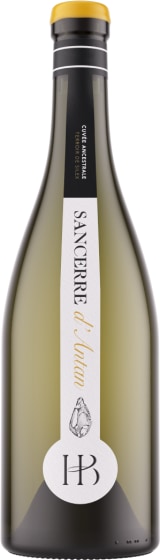
The Loire's Henri Bourgeois makes single-vineyard Sancerre, the region's flinty Sauvignon Blanc. A bottle like this suits a special summer occasion, from an anniversary dinner to a milestone toast.
The right pour depends on the food and the temperature in your glass. Serve summer wines too warm and they taste flabby and dull. Serve them well-chilled and the acidity and aromatics come alive.
Temperature does real work here. Pull whites and rosé from the fridge about 20 minutes before pouring so they land near 45–50°F, cool but not icy.
Keep sparkling wines colder, close to 40–45°F, to hold the bubbles tight. For light reds, 15–20 minutes in the fridge brings them to roughly 55°F, which softens the alcohol and lifts the fruit.
Quick serving guide: crisp whites and rosé at 45–50°F, sparkling wines at 40–45°F, and light reds chilled 15–20 minutes to about 55°F.
Crisp whites: pour with grilled fish, oysters, goat cheese, or a bright green salad
Dry rosé: reach for it with charcuterie, grilled shrimp, or tomato-heavy dishes
Light reds: serve slightly chilled with burgers, salmon, or grilled vegetables
Sparkling: pair with fried foods, fresh fruit, or salty snacks like popcorn and chips
Summer Wines Questions, Answered
Which Is Better For Summer, Red Or White?
Neither wins outright, but white and rosé have the edge on the hottest days. Their bright acidity and cool serving temperature feel more refreshing when you're sweating. That said, a light red like Gamay, served with a chill, holds its own at a summer cookout. Match the wine to the moment: whites and rosé for the pool, chilled reds for the grill.
Can You Chill Red Wine?
Yes, and you should chill the right ones. Light, low-tannin reds like Gamay, lighter Pinot Noir, and Schiava taste better cool. Give them 15 to 20 minutes in the fridge to reach about 55°F, cooler than room temperature but not cold. Skip this with big, tannic reds like Cabernet, since chilling makes their firm tannins taste harsh.
What Temperature Should You Serve Summer Wine?
Aim for cool, not icy. Serve crisp whites and rosé at 45–50°F, which keeps them fresh without numbing the flavor. Pour sparkling wines a touch colder, around 40–45°F, to keep the bubbles lively. For light reds, chill them 15 to 20 minutes to land near 55°F.
What Are Good Summer Wines Under $20?
You have plenty of solid options under $20. Look to crisp whites like Sauvignon Blanc and Pinot Grigio (known as Pinot Gris in France), along with dry rosé and easy Prosecco. At this price, lean toward large, consistent producers who deliver the same quality every year. These wines are made for casual, everyday drinking, not for cellaring.
Which Summer Wines Pair Best With Grilling And BBQ?
Grilled food loves wines with freshness and a little backbone. For burgers and sausages, a chilled light red like Gamay works well. For grilled chicken or fish, try a crisp white or a bolder dry rosé that can stand up to the char. Sparkling wine is a smart pick too, since its bubbles refresh your palate between rich, smoky bites.
Bringing Summer Wines Home
Three moves cover most of summer. Chill your light reds for 15 to 20 minutes before serving, match the style to the moment (bright whites and rosé for the heat, sparkling for celebrations), and reach for an off-dry wine when spice hits the plate.
Wine.com carries more than 16,000 wines, from under-$20 everyday bottles to single-vineyard splurges. Whatever the occasion, the right summer bottle is a few clicks away.