The Essential Red Wine Under $20 Guide: Grapes, Regions, and What to Buy
Twenty dollars used to buy a decent bottle if you knew where to look. Today it buys a genuinely good one, and you don't need a sommelier's vocabulary to find it. The quality floor for red wine has risen faster than prices, which means the under-$20 shelf is better stocked than most people realize.
The Basics of Red Wine Under $20
Red wine gets its color, flavor, and texture from grape skins. During fermentation, juice sits in contact with those skins for days or weeks, extracting pigment and a group of compounds called tannins. Tannins are what create that dry, slightly grippy feeling on your tongue and gums, similar to strong black tea. Wines with more tannin tend to feel fuller and more structured. Wines with less feel softer and smoother.
When someone describes a wine as "full-bodied" or "light-bodied," they're talking about how heavy the wine feels in your mouth. Think of it like the difference between whole milk and skim milk. A light-bodied red, like Pinot Noir, feels closer to water in weight. A full-bodied red, like Cabernet Sauvignon, feels richer and more coating.
You'll also see two terms on labels: "varietal" and "blend." A varietal wine is made primarily from one grape variety, so a bottle labeled Merlot is mostly Merlot. A blend combines two or more grapes, and each one contributes something different to the finished wine. Blends are common in regions like France's Côtes du Rhône and Spain's Rioja, where winemakers mix grapes to build complexity rather than relying on a single variety.
So why can some red wines cost $15 and still taste great? Two reasons matter most. First, vine age and yield play a direct role: vine yields drop and flavor concentration increases significantly after vines reach 10–15 years of age, which means even modestly priced wines benefit from mature vineyards. Second, scale matters. Large-scale producers may make 100,000+ cases of a single SKU, spreading vineyard, cellar, and bottling costs across an enormous number of bottles. That efficiency passes savings along without sacrificing quality. The wines on this page come from producers who use one or both of those advantages.
What the Price Tag Means for Red Wine
Price tiers in red wine aren't random. Each bracket reflects a different balance of grape sourcing, winemaking investment, and production scale. Here's what your money gets you at three levels under $20.
1. Under $15: Everyday Sippers
Wines in this range are built for Tuesday night, not a tasting room. Expect ripe, fruit-forward flavors with soft tannins and a clean finish. These are the bottles you keep on hand for pasta, pizza, or pouring without thinking twice. The grapes usually come from warm climates where sunshine delivers ripe fruit reliably every year, and the winemaking keeps things straightforward: stainless steel tanks, short aging, and a focus on freshness.
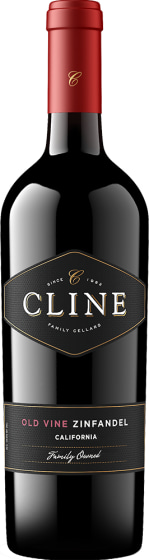
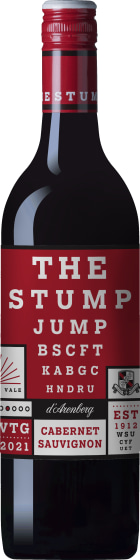
California Zinfandel (a grape also known as Primitivo in Italy) delivers ripe blackberry and pepper at this price point with enough body to feel satisfying. Cline, a family-run estate in Sonoma with vines dating back decades, is one producer that consistently hits this mark. For something different, Australian Cabernet Sauvignon from McLaren Vale in South Australia delivers blackcurrant and violet notes with polished tannins. The warm maritime climate ripens fruit fully every year, which keeps quality consistent from bottle to bottle.
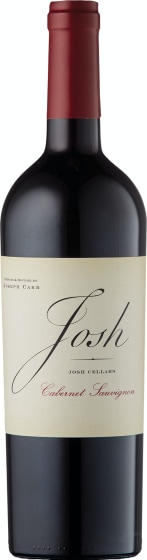
McLaren Vale, South Australia, Australia ● Cabernet Sauvignon
91 Wine Enthusiast
90 Wine Spectator
Sold Out - was $14.00
2. $15–$17: The Sweet Spot
This is where budget wine starts to feel like something more. The extra few dollars typically mean older vines, more selective grape sorting, or a short stay in oak barrels (the large wooden containers where wine develops deeper flavor and smoother texture). You'll notice more complexity in the glass: layers of fruit, spice, or earthy notes that unfold as you sip rather than hitting you all at once.
France's Côtes du Rhône region, led by producers like M. Chapoutier, produces some of the best values in this tier. These are blends built primarily from Grenache (called Garnacha in Spain), Syrah, and Mourvedre, grapes that thrive in the Mediterranean heat and produce wines with ripe cherry, dried herbs, and a hint of white pepper. Spain's Toro region offers another strong option. Tempranillo grown in Toro's extreme continental climate develops dark fruit intensity and firm, lingering structure. The combination of old vines and minimal intervention shows up in the glass: longer finishes and more aromatic detail than you'd expect at this price.
At this level, you're drinking wine that competes with bottles restaurants pour by the glass at much higher markups. The difference between a $12 bottle and an $18 bottle often comes down to barrel aging and fruit selection. American oak barrels cost approximately $400 each, less than half the price of French oak, which means producers can afford to age wine in barrel and still keep retail prices under $20. That barrel time adds vanilla, baking spice, and a rounder texture that you simply don't find in wines fermented entirely in steel.
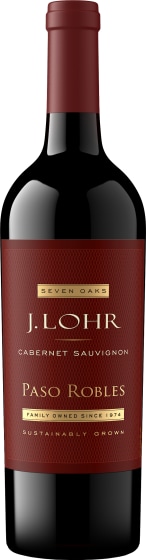
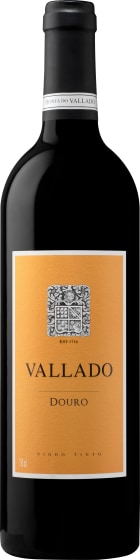
Paso Robles, on California's Central Coast, is a region worth knowing for this tier. J. Lohr, one of the area's founding estates, demonstrates what the region does well at this price. The area's wide temperature swings between day and night let grapes develop full ripeness while retaining acidity, producing Cabernet Sauvignon with dark plum and cedar character. Portugal's Douro Valley, better known as the home of Port wine, also makes outstanding dry red blends. These use native Portuguese grapes like Touriga Nacional and Tinta Roriz (Portugal's name for Tempranillo), resulting in wines with dark berry, violet, and a savory mineral finish that feels distinctly European in character, with earthy depth over pure fruit.
Red wine covers a wide spectrum of flavors and textures, and price is not the deciding factor. A $14 Pinot Noir and a $14 Cabernet Sauvignon will taste nothing alike. These three style categories will help you find what you enjoy.
1. Light and Bright: Pinot Noir and Gamay
Light-bodied reds are the gateway for people who think they don't like red wine. They have less tannin, lower alcohol, and brighter acidity, which makes them feel refreshing rather than heavy. Pinot Noir, the grape behind red Burgundy, is the most popular example. Under $20, California Pinot Noir offers ripe strawberry and cherry with warm baking spice and vanilla in a silky, easy-drinking style.
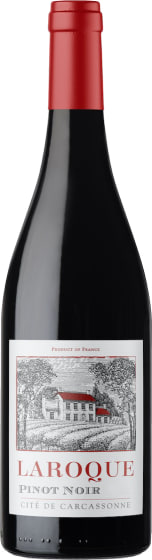
If you enjoy lighter reds, also look at wines from southern France. The Languedoc region produces Pinot Noir with a slightly leaner, more mineral-driven profile than California versions, plus tart red cherry and a hint of dried herbs. Gamay, the grape of Beaujolais, is another natural fit here: vibrant cranberry, fresh flowers, and a pomegranate tartness with almost no tannin. These are wines that work slightly chilled on a warm evening or alongside a weeknight roast chicken.
2. Medium and Savory: Tempranillo, Sangiovese, and Grenache
Medium-bodied reds sit in the middle of the spectrum. They have moderate tannin, balanced acidity, and flavors that lean toward savory rather than purely fruity. These are the wines that pair with the widest range of food because they don't overpower lighter dishes or get lost alongside richer ones.
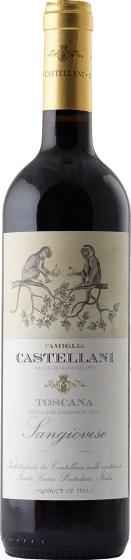
Sangiovese, the grape behind Chianti and Brunello, is a benchmark here. It delivers tart cherry, dried tomato, and a dusty, earthy quality that makes it a natural match for Italian food. Tempranillo from Spain adds leather and dried plum to the mix. And Grenache-based blends from France's Rhône Valley bring ripe raspberry, garrigue (the mix of wild herbs, lavender, and scrubby plants that grow across southern France), and a spicy warmth on the finish. The Rhône in particular produces benchmark value wines: complex blends from established producers at prices that would be impossible in Napa or Burgundy.
3. Bold and Rich: Cabernet Sauvignon, Malbec, and Shiraz
Full-bodied reds are the ones most people picture when they think of red wine. Dense color, firm tannins, and concentrated dark fruit. These wines coat your palate and finish with a lingering warmth. They reward food pairing, especially with grilled or roasted meats, and they tend to feel the most "serious" of the three categories.
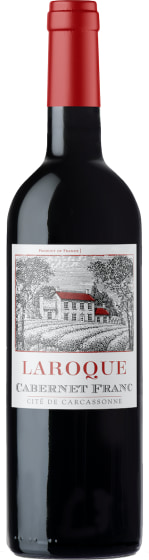
California Cabernet Sauvignon leads this tier. Even at the under-$20 level, California delivers ripe blackcurrant, dark cherry, and vanilla from oak aging. Argentine Malbec is another strong choice: it adds plum and chocolate with a velvety texture that makes it one of the most approachable full-bodied reds for newcomers. For a less expected option, look at Cabernet Franc from southern France. This grape is a parent variety of Cabernet Sauvignon (yes, grape varieties have family trees), and it produces wines with dark fruit, green bell pepper, and a peppery spice note that feels distinctive without being intimidating.
The simplest pairing rule is to match the weight of the wine to the weight of the food. You wouldn't serve a delicate broth with a slab of steak, and the same logic applies to wine and food together.
Light reds (Pinot Noir, Gamay) pair well with roast chicken, grilled salmon, mushroom pasta, and charcuterie boards. Their bright acidity cuts through fat without overwhelming the food. Think of them as the red wines that work in situations where you might otherwise reach for a white
Medium reds (Tempranillo, Sangiovese, Grenache blends) are the most versatile dinner companions. Pizza, grilled vegetables, tapas spreads, lamb burgers, and tomato-based pasta all work. The savory, herbal character of these wines echoes the same flavors in Mediterranean and Italian cooking
Bold reds (Cabernet Sauvignon, Malbec, Shiraz) need food that can stand up to their intensity. Grilled burgers, BBQ ribs, braised short ribs, and hearty comfort food like shepherd's pie or beef chili are ideal. The tannins in these wines soften when they meet the proteins and fats in rich dishes, which is why the pairing works so well
Red Wine Under $20 Questions, Answered
Is Cheap Red Wine Bad for You?
Price has almost nothing to do with whether a wine is "healthy" or not. A $12 Côtes du Rhône contains the same general compounds as a $60 Châteauneuf-du-Pape. The main health consideration with any wine is quantity, not quality tier. If you're concerned about additives, look for wines labeled "sustainably farmed" or "organic," which are increasingly common under $20.
What Is the Smoothest Red Wine Under $20?
Smooth in wine terms means low tannin and ripe fruit. Merlot is the classic choice: soft, plummy, and easy to drink without food. Malbec from Argentina runs a close second, with velvety texture and ripe dark fruit that rarely leaves that harsh, drying sensation on your tongue. If you want something lighter but equally smooth, California Pinot Noir hits the mark with silky texture and bright cherry flavor.
How Do I Pick a Good Red Wine at the Store?
Start with a grape you've enjoyed before, or pick a style category from this guide (light, medium, or bold) and look for bottles in that range. Check the back label for tasting notes, which will give you a rough idea of what to expect. Price is a useful signal in the $12–$20 range: wines at the higher end of that bracket generally reflect better fruit sourcing or more careful winemaking. And don't overthink it. At this price point, the risk of buying something undrinkable is genuinely low.
Can You Age a Red Wine Under $20?
Most wines under $20 are made to drink within one to three years of the vintage date on the label. They're crafted for immediate enjoyment, not long cellaring. The tannins are softer, the fruit is riper, and the structure isn't designed to evolve over decades. There are exceptions: a well-made Tempranillo from Rioja or a sturdy Douro red might improve for two to four years. But the honest answer is that these wines taste best when you open them, and there's no reason to wait.
Where to Start with Red Wine Under $20
You now know more about red wine under $20 than most people who have been buying it for years. You know what tannins are, how body works, why some $15 bottles taste like they should cost twice as much, and which grapes match the flavors you already enjoy. That's more than enough to shop with confidence.
Wine.com carries over 16,000 wines, and hundreds of 90+ rated options fall under the $20 mark. Start with the style that sounds most like what you already enjoy, and let the price tiers guide you from there. Every bottle on this page is available to ship.