Non-Alcoholic Wine, Explained: Styles, Taste, and What to Pour
Non-alcoholic wine, sometimes called dealcoholized wine, is real wine that has had almost all of its alcohol taken out after fermentation. It looks like wine, pours like wine, and comes in the same familiar styles you already know. The quality does swing a lot depending on which style you reach for, and that gap is worth understanding before you buy.
Non-Alcoholic Wine at a Glance
Non-alcoholic wine begins its life as ordinary wine. Grapes are picked, pressed, and fermented into finished wine with a normal level of alcohol. Only after that does a separate step gently strip most of the alcohol back out. So you are not drinking flavored grape juice. You are drinking wine that went through the full winemaking process, then had one ingredient removed near the end. That distinction is the whole reason a good bottle can still taste like the genuine article.
This category exists because more people want the ritual without the buzz. Some are cutting back for health or sleep, some are pregnant or driving, and plenty just want a glass on a Tuesday that will not follow them into Wednesday morning. The reasons are personal, and the category has grown to meet all of them at once. A generation ago the options were thin and often disappointing, so the whole idea earned a bad reputation early.
The good news for anyone in that group is that the craft has come a long way since then. Producers now treat these bottles as serious wine, and they invest in gentle equipment that protects the flavors worth keeping. The best examples are made by real wineries using real grapes, not soda companies chasing a trend. That shift shows up clearly the moment you taste one.
How the Alcohol Gets Removed
Most makers use one of two gentle methods to pull the alcohol out while protecting flavor: vacuum distillation, which lowers the boiling point so the wine never gets hot enough to cook, or reverse osmosis, which filters the alcohol away and returns the good stuff. Neither method removes every last trace, so most non-alcoholic wines still contain up to about 0.5% ABV.
How Non-Alcoholic Wine Tastes (And Why It Varies)
Here is the honest answer to the question everyone asks: yes, the best examples taste recognizably like wine. Pour a well-made one into a proper glass and most people would not flag it as unusual on the first sip. The finest bottles in this category have closed much of the gap that used to make these wines an easy target for skeptics. They carry real aroma, real fruit, and a finish that lingers the way you expect from a good glass.
Quality varies because alcohol does quiet work in a normal glass of wine. It carries aroma up to your nose, adds a sense of weight on the tongue, and smooths out the texture. Take it away and a winemaker has to rebuild those qualities another way, which is a genuine challenge. Some producers pull it off, and some fall short, so the spread between a great bottle and a flat one is wider here than in ordinary wine. That is why the style you choose matters so much.
Price and producer are useful clues when you are unsure. Bottles from established wineries usually taste more complete, because those makers understand how to protect flavor during the removal step. A very cheap bottle can still surprise you, and the odds simply improve when a serious producer is behind it. When in doubt, start with a style that is forgiving and a maker with a real track record.
Dealcoholized is not the same as never-fermented. Dealcoholized wine is made like any wine, then has its alcohol removed near the end. Never-fermented drinks are closer to fancy grape juice and rarely taste like the real thing.
Sparkling and aromatic white wines tend to win people over fastest. Bubbles and bright, punchy aromas give your senses plenty to grab onto, so the missing alcohol matters less. Reds are the hardest style to get right, because so much of a red's appeal lives in body and grip that alcohol normally supplies. Once you know that order, you can pick a first bottle that is likely to please instead of one likely to let you down. Rosé lands somewhere in the middle, easier than red and a touch more delicate than a crisp white.
Non-Alcoholic Wine by Style
Picture the four main styles as a ladder that runs from easiest to hardest. Sparkling sits on the bottom rung where success comes most naturally, and red waits at the top where the craft gets tricky. The picks below climb in that order, so a newcomer can start where the odds are best and work up from there.
1. Sparkling
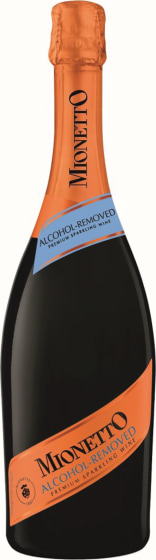
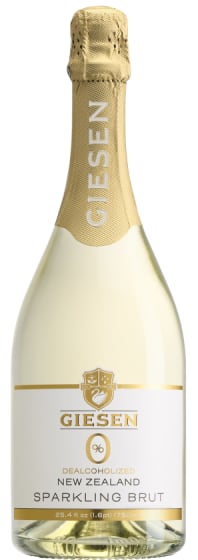
Bubbles do a lot of heavy lifting once the alcohol is gone. Carbonation adds a lively prickle on the tongue that stands in for some of the weight and texture alcohol used to provide, so the glass still feels festive and full. That is why a good non-alcoholic sparkling wine is the most reliable place to start, especially for a toast or a celebration. The crisp, refreshing quality also makes these easy to serve cold and pour freely at a party. When you shop the non-alcoholic sparkling wine category, favor something made from real wine grapes over a flavored fizz. That single choice is usually the difference between a bottle you love and one you pour down the sink.
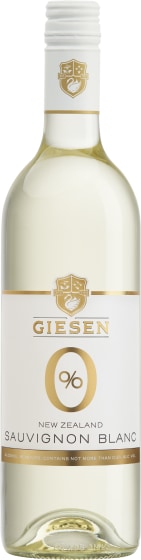
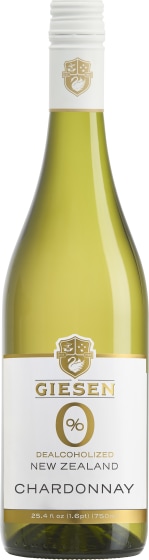
Aromatic, high-acid white wines hold their character well without alcohol. Their appeal comes largely from bright fruit smells and a zippy freshness, and both survive the dealcoholizing step better than richer, heavier flavors do. A crisp non-alcoholic white wine tends to stay lively and food-friendly, which makes it a smart everyday choice. When you browse, favor styles known for punchy aromatics and mouthwatering acidity, since those are the traits that carry the glass. The payoff is a bright, clean pour that works at lunch and holds up at dinner.
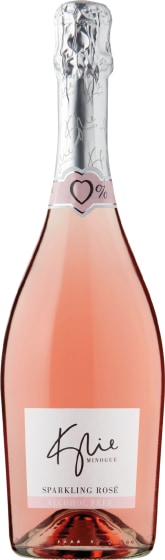
Rosé translates to a non-alcoholic version with less struggle than you might expect. Its charm is fruit-forward and easygoing, and it is meant to be served cold, so the lighter body that comes with removing alcohol feels natural here instead of like something missing. A well-made non-alcoholic rosé keeps that refreshing, pink-hued appeal intact. Chill it well and it drinks like a warm-weather favorite.
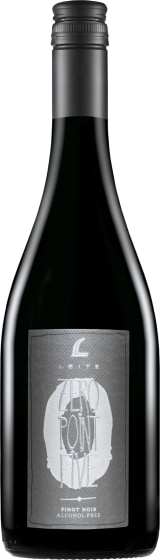
Red is the toughest style to pull off, and it helps to know that going in. So much of a red's satisfaction comes from tannin and body, the grippy, mouth-filling qualities that alcohol normally supports, and those are the hardest traits to rebuild once the alcohol is gone. That does not mean a good non-alcoholic red is out of reach. Look for one that leans on ripe fruit flavor and a touch of savory depth to fill the space where body used to be. Set your expectations for something a bit softer than a full-strength red, and the better bottles will still satisfy the craving. A slight chill and a food pairing both help these wines show their best.
Non-alcoholic wine follows the same pairing logic as the full-strength kind, so you can lean on habits you already have. The trick is to match each style to foods that play to its strengths. Here is a simple guide to get you started.
Sparkling with salty and fried food: the bubbles and bright acidity cut through grease, so reach for it with potato chips, fried chicken, or smoked salmon
Whites with seafood and salads: a crisp, high-acid white loves lighter plates, from grilled fish and shrimp to a goat cheese salad or a spread of fresh vegetables
Rosé with brunch and light fare: its easygoing fruit handles a wide table, and it is especially good with garlicky dishes, cheesy bites, and lazy weekend brunch
Reds with pizza and grilled food: the fruit and savory notes stand up to bolder plates, so pour it alongside pizza, burgers, or anything off the grill
Serving temperature matters more than most people think. Chill sparkling, white, and rosé until they are properly cold, and give a non-alcoholic red just a light chill of fifteen minutes in the fridge. Cool temperatures keep these wines tasting crisp and lift their aromas, which is exactly what you want when the alcohol is not there to help.
Non-Alcoholic Wine Questions, Answered
Is Non-Alcoholic Wine Truly Alcohol-Free?
Not quite, though it is very close. Most non-alcoholic wines still contain up to about 0.5% ABV, a trace amount left behind by the removal process. That is a smaller share of alcohol than you will find in some ripe fruit juices and kombuchas. For most people the practical effect is none at all. If you need a drink with genuinely zero alcohol, read the label, since a handful of bottles are made to that stricter standard.
Does Non-Alcoholic Wine Have Sugar or Calories?
It depends on the brand and the style. As a rule, these wines are lighter in calories than full-strength wine, because alcohol itself carries a lot of calories that are no longer in the glass. Any sugar usually comes from the grapes or from a small amount added back to balance the flavor after dealcoholizing. Sweeter styles and some sparkling wines can carry a bit more sugar, and crisp whites tend to stay lean. The label will give you the exact numbers if you are watching either one.
How Long Does It Last After Opening?
Treat an open bottle much like you would regular wine, with one small caveat. Keep it in the fridge, reseal it tightly, and aim to finish it within a few days for the freshest taste. Sparkling styles lose their fizz fastest, so those are best enjoyed within a day or two. The flavor slowly fades after that instead of spoiling, so an older open bottle is simply less vibrant than a fresh pour.
Is Non-Alcoholic Wine Safe During Pregnancy or Recovery?
This is a personal call, and the small amount of alcohol is the reason to pause. Because most bottles still hold up to about 0.5% ABV, they are not guaranteed to be completely alcohol-free. Anyone who is pregnant or in recovery should read the label closely and talk with their doctor before pouring a glass. We can point you to the styles and the numbers, and the right choice for your body is a conversation to have with a medical professional.
Where to Start with Non-Alcoholic Wine
If you take away a short cheat sheet, make it this one. Start with a sparkling wine or an aromatic white, since those styles convince most easily and give you the best first impression. Treat reds as the advanced pick and set gentler expectations for them. Then chill and pair every bottle exactly as you would the full-strength version, and you will get the most out of each glass.
Wine.com carries a broad non-alcoholic selection across all four styles, so you can compare sparkling, white, rosé, and red without hunting across a dozen shops. That range makes it easy to find the right bottle for a specific night, whether it is a celebration toast, a weeknight dinner, or a slow weekend brunch.
Ready to pour something you will actually enjoy? Browse Non-Alcoholic Wine at Wine.com and pick a style that fits the occasion in front of you tonight.