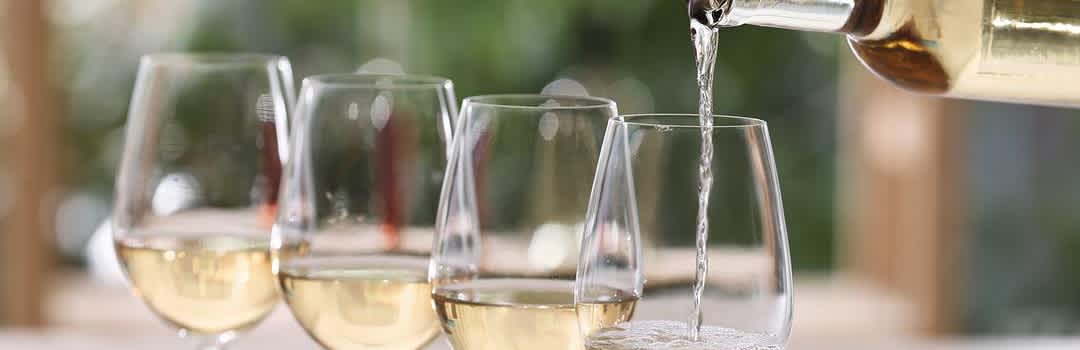
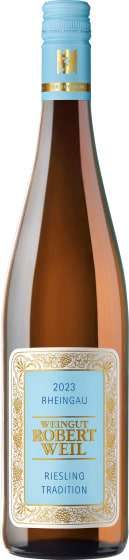
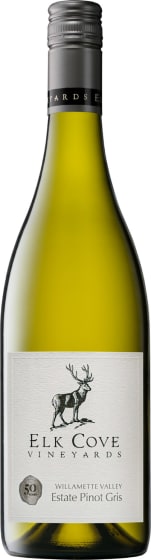
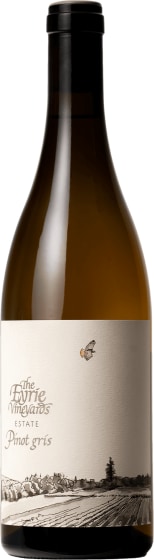
A beginner-friendly white wine is one that delivers clean, recognizable flavors without requiring any background knowledge to enjoy. Wine.com carries more than 16,000 wines, but a handful of core white wine styles can simplify that selection into a short, confident starting list. These styles range from bone-dry and mineral to gently sweet and floral, so your first few bottles can cover real variety without any guesswork.
White Wine at a Glance
White wine is made from green- or gold-skinned grapes that are pressed and fermented without prolonged contact with the grape skins. That separation is the key difference between white and red winemaking. Red wines get their color, body, and tannins (tannins are compounds that create a drying, textured sensation on your tongue and gums) from extended skin contact during fermentation. White wines skip that step, which is why they tend to be lighter in body and brighter in acidity.
One word you will see constantly is "dry." In wine, "dry" means the opposite of sweet. It has nothing to do with how your mouth feels afterward. During fermentation, yeast converts the grape's natural sugar into alcohol. When nearly all the sugar is consumed, the resulting wine is dry, with little to no residual sweetness left in the glass. Most white wines marketed as "crisp" or "refreshing" fall into this dry category.
Beginners tend to gravitate toward two ends of the spectrum. Some prefer crisp, dry whites because the flavors are clean and food-friendly. Others prefer gently sweet or off-dry styles because the touch of sweetness feels familiar and approachable. Neither starting point is better than the other, and most wine drinkers explore both over time.
Sweet, Off-Dry, and Dry: Where Beginner Wines Fall
White wines sit on a sweetness spectrum, and knowing roughly where a bottle falls on that line is one of the most useful things you can learn early on. Here is how the main categories break down.
Sweet (Moscato, late-harvest Riesling): These wines retain a noticeable amount of residual sugar. They taste fruity, often floral, and pair well with desserts or spicy food
Off-dry (many Rieslings, some Pinot Gris): "Off-dry" means the wine has a slight hint of sweetness, but acidity keeps it from tasting sugary. Think of lemonade versus lemon water
Dry (Pinot Grigio, Sauvignon Blanc): No perceptible sweetness. The flavors come through as fruit character, minerality, and acidity rather than sugar
Bone-dry (Chablis, Albariño): Extremely low residual sugar, often with pronounced mineral or saline qualities. These wines can taste lean and precise
One common misconception: "dry" does not mean a wine dries out your mouth. That sensation comes from tannins, which are rare in white wines. A dry white wine simply has no sweetness.
Crisp, Dry White Wines for Beginners
Crisp and dry describes a wine with bright acidity, clean fruit flavors, and a finish that feels refreshing rather than heavy. These are the styles most wine professionals suggest as a starting point because they pair easily with food and reward simple, straightforward drinking.
1. Pinot Grigio
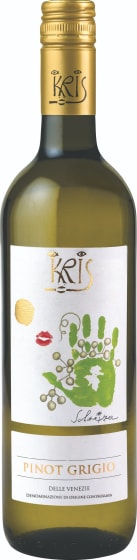
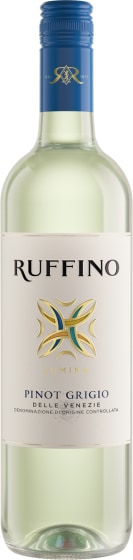
Pinot Grigio is light-bodied with flavors of green apple, pear, and citrus, plus a clean mineral finish. It works as a starting wine because the flavor profile is neutral and food-friendly rather than aggressive or complex. You can pair it with almost anything without overthinking.
Pinot Grigio and Pinot Gris are the same grape. The Italian version (Grigio) tends to be leaner and crisper, while the French and Oregon versions (Gris) are often rounder and more textured. For a classic entry point, look to Italy's Delle Venezie region, where the style is light, affordable, and consistent.
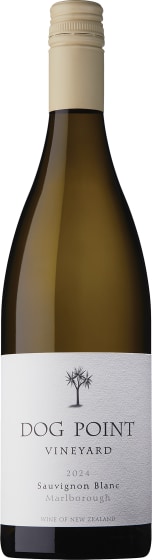
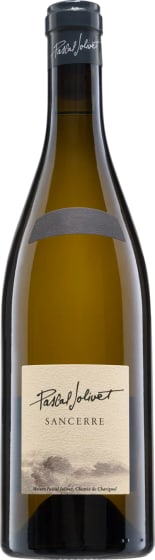
Sauvignon Blanc delivers grapefruit, lime, and fresh-cut grass with an herbaceous snap that makes it one of the most immediately recognizable white wines. Where Pinot Grigio is gentle and neutral, Sauvignon Blanc is bolder and more assertive. That brightness makes it memorable on a first sip.
New Zealand's Marlborough region produces a tropical, punchy style with passionfruit and lime. France's Loire Valley, particularly Sancerre, produces a more mineral-driven, elegant version. If you are comparing the two grapes side by side, Pinot Grigio is the quieter introduction, while Sauvignon Blanc announces itself.
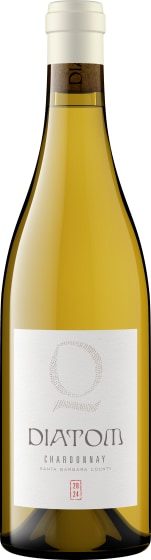
Chardonnay is the most widely planted white grape in the world, but the name covers a huge range of styles. The buttery, vanilla-rich Chardonnays you may have heard about get those flavors from aging in oak barrels. Unoaked Chardonnay skips that step entirely, giving you apple, citrus, and pear without the richness or heaviness.
For beginners, unoaked versions are a better starting point because the fruit comes through cleanly. Chablis, a region in northern France, is the benchmark for this mineral-driven, unoaked style. California producers also make unoaked bottlings that lean bright and fresh.
Santa Barbara, Central Coast, California ● Chardonnay
94 Jeb Dunnuck
93 James Suckling
93 Wine Spectator
92 Wine Enthusiast
90 Robert Parker
$27
$24.97
4. Albariño
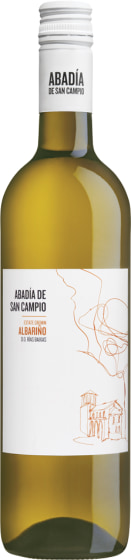
Albariño delivers peach, apricot, and a distinctive saline minerality alongside bright acidity. It is less well-known than Pinot Grigio or Sauvignon Blanc, which makes it feel like a personal find when you land on a bottle you enjoy.
The grape's home is Rías Baixas in northwestern Spain, where the cool, Atlantic-influenced climate produces wines that are citrusy, floral, and refreshing. Albariño is rarely oaked and drinks best when young, so you do not need to worry about aging or cellaring. Just chill it and pour.
Not everyone wants crisp and dry as a first pour. These styles offer a gentler introduction, with a touch of sweetness or a rounder texture that can feel more approachable if bone-dry wines are not your thing yet.
1. Moscato
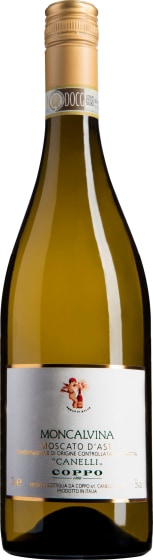
Moscato tastes like peach, orange blossom, and honey, often with a light effervescence (tiny bubbles) that makes it feel playful and easy to drink. It is also lower in alcohol than most wines, typically around 5%, so it feels lighter and less intense.
Moscato is a strong starting point if you normally drink cocktails, hard seltzers, or fruit-forward beverages. The sweetness is real but balanced by enough acidity to keep it refreshing. Italy's Moscato d'Asti is the classic version of this style.
Riesling is one of the most versatile white grapes, capable of producing wines from bone-dry to very sweet. For beginners, young, off-dry versions are the best entry point. They balance a hint of sweetness with zippy acidity, so they taste refreshing rather than sugary.
Flavors include green apple, lime, and stone fruit like peach and apricot. German labels marked "Kabinett" or "Spätlese" (a classification based on grape ripeness at harvest) are classic examples of this off-dry, food-friendly style. The acidity in Riesling also makes it one of the best wines for pairing with spicy food.
Pinot Gris is the same grape as Pinot Grigio, but the name signals a different style. Where Italian Pinot Grigio is lean and crisp, Pinot Gris from Oregon and France's Alsace region tends toward honey, pear, and peach with a rounder, more textured mouthfeel.
This style sits comfortably between dry and off-dry, making it a natural bridge if you enjoy the idea of Pinot Grigio but want something with a bit more body and flavor richness. It pairs well with richer dishes that would overwhelm a lighter wine.
Dundee Hills, Willamette Valley, Oregon ● Pinot Gris/Grigio
93 Jeb Dunnuck
93 James Suckling
93 Robert Parker
92 Vinous
89 Wine Spectator
$34.99
$34.99
What to Eat with Beginner White Wine
Pairing wine with food does not require memorizing rules. The simplest guideline is to match the weight of the wine to the weight of the dish. A light wine goes with light food; a richer wine handles heavier fare. Here are starting points organized by style:
Pinot Grigio and Albariño: Light seafood like shrimp, grilled fish, and calamari. Simple salads with vinaigrette. Light pasta dishes with olive oil or lemon-based sauces
Sauvignon Blanc: Goat cheese salads, herb-forward dishes like pesto pasta, grilled vegetables, and raw oysters. The wine's herbaceous snap complements green and herbal flavors naturally
Unoaked Chardonnay: Roast chicken, pork chops, creamy soups, and dishes with a butter or cream component. The wine has enough body to stand up to richer preparations without competing
Moscato and Riesling: Spicy foods like Thai curries and Indian dishes (the sweetness cools the heat), fruit desserts, and charcuterie boards. These wines work as a counterbalance to spice and salt
One useful tip: if you are not sure, err toward lighter wines with lighter food. A delicate Pinot Grigio next to a heavy steak will get lost, but a crisp Sauvignon Blanc next to grilled shrimp will sing. You can always experiment from there.
Quick Answers on Beginner White Wine
What Is the Best White Wine for Someone Who Has Never Tried Wine?
Pinot Grigio is the most common recommendation for a true first-timer because its flavor is clean, neutral, and easy to enjoy without any context. If you prefer something sweeter, Moscato is an approachable alternative with lower alcohol and fruit-forward flavors. There is no single "best" answer because taste is personal. The most useful approach is to try one dry option and one sweeter option side by side to learn what you gravitate toward. Either way, you are starting in the right place.
What Does "Dry" Mean in Wine?
In wine, "dry" means the wine contains little to no residual sugar. It does not refer to a drying sensation in your mouth. During fermentation, yeast eats the sugar in grape juice and converts it to alcohol. When nearly all the sugar is consumed, the wine is considered dry. Most Pinot Grigio, Sauvignon Blanc, and unoaked Chardonnay fall into the dry category.
Is Pinot Grigio Sweet or Dry?
Pinot Grigio is a dry wine. It has minimal residual sugar, and its flavor profile leans toward crisp fruit (green apple, pear, citrus) and mineral notes rather than sweetness. Some people perceive fruitiness as sweetness, but in wine terminology, Pinot Grigio is firmly on the dry side. If you find Pinot Grigio too dry for your taste, try an off-dry Riesling or Moscato as an alternative starting point.
What Is the Difference Between Pinot Grigio and Sauvignon Blanc?
Both are popular dry white wines, but they taste quite different. Pinot Grigio is lighter, more neutral, and subtler, with green apple and pear flavors. Sauvignon Blanc is bolder and more aromatic, with grapefruit, lime, and grassy or herbaceous notes. Think of Pinot Grigio as the quieter option and Sauvignon Blanc as the one with more personality. Both are excellent for beginners, and trying them side by side is one of the fastest ways to learn what you prefer.
How Should I Store and Serve White Wine?
Store white wine in a cool, dark place. A regular refrigerator works fine for bottles you plan to drink within a few weeks. Serve white wine chilled, between 45–55°F. Lighter wines like Pinot Grigio and Sauvignon Blanc taste best at the cooler end of that range, while fuller styles like oaked Chardonnay benefit from being slightly warmer. If you over-chill a wine, just let it sit on the counter for five to ten minutes. The flavors will open up as the temperature rises.
Where to Start with Beginner White Wine
There is no wrong first white wine. The best beginner bottle is the one you enjoy drinking, and no one else's preference needs to factor into that decision. Your palate is yours, and it will develop naturally as you try more bottles.
A good next step is to pick one crisp, dry white and one softer, off-dry style and taste them side by side. That single comparison will teach you more about your own preferences than any guide can. You will quickly notice whether you lean toward bright acidity or gentle sweetness, and that knowledge makes every future bottle easier to choose.
Wine.com's selection of more than 16,000 wines means you can explore at whatever pace feels right. Browse White Wine at Wine.com to find your starting point and build from there.