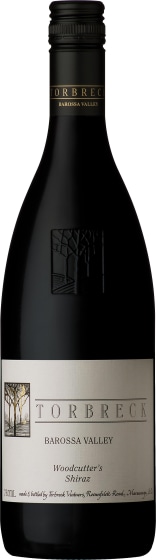
Shiraz is Australia's most planted red grape, accounting for roughly 25% of the country's total grape crush. The grape called Syrah in France has found a second identity in Australia, where warmer climates, older vines, and a winemaking culture built on generosity produce wines that range from dark, concentrated powerhouses to peppery, medium-bodied reds with real finesse. Whether you reach for a bold Barossa bottle or a cooler-climate pour from the Adelaide Hills, Australian Shiraz rewards drinkers who like flavor that fills the glass.
Australian Shiraz at a Glance
Shiraz and Syrah are the same grape. In France's northern Rhone Valley, Syrah tends toward black pepper, olive, and lean structure. In Australia, the grape shifts toward riper dark fruit, softer tannins, and a rounder, more generous body. That difference comes down to climate, soil, and a winemaking tradition that prizes fruit intensity alongside balance.
Australia's relationship with Shiraz runs deep. The vine likely arrived from France in the 1830s, and within a generation it had spread across New South Wales, South Australia, and Victoria. Today, regions as different as the Barossa Valley and the Hunter Valley grow Shiraz in their own style, producing wines that barely resemble each other. Australian red wine spans warm-climate regions that deliver dark chocolate, blackberry, and thick, velvety texture. Cooler regions pull the grape toward cracked pepper, red fruit, and brighter acidity.
What makes Australian Shiraz so approachable is its range. A $15 bottle from a large regional blend can be a perfectly satisfying weeknight pour: ripe, juicy, and uncomplicated. A single-vineyard Barossa Shiraz from old vines might need an hour of air and a grilled steak to show its full depth. The category stretches wide enough to meet almost any occasion, budget, or palate preference, and that breadth is exactly what makes it worth exploring.
How Australian Shiraz Tastes (And Why It Varies)
A side-by-side tasting of two Australian Shirazes from different regions can feel like tasting two entirely different grapes. A Barossa Valley pour delivers dark cherry, chocolate, and a mouthful of ripe tannin. A cool-climate bottle from the Adelaide Hills offers cracked pepper, violets, and a leaner frame. The region, not the winemaker, drives most of that variation.
1. Barossa Valley: Bold, Ripe, and Full of Dark Fruit
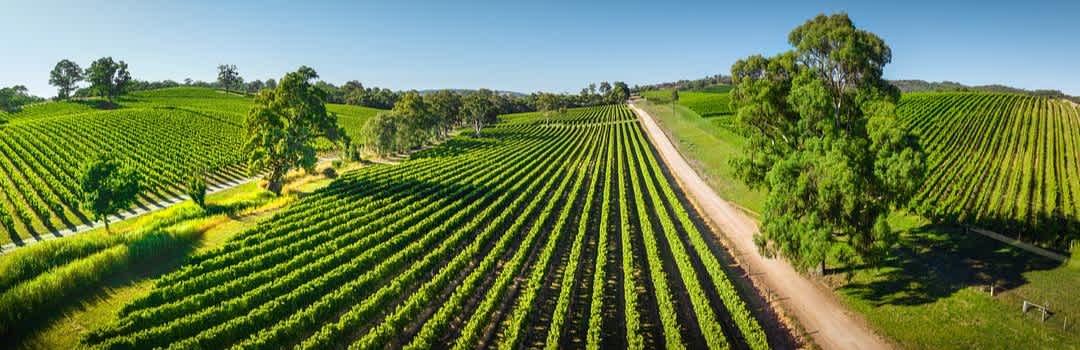
The Barossa Valley is the spiritual home of Australian Shiraz, and for good reason. Warm days, cool nights, and some of the oldest vines on Earth produce wines with extraordinary concentration. Many Barossa vineyards qualify as old-vine, a designation generally requiring 35 or more years of age. Vines that old push roots deep into the valley's sandy, clay-rich soils and produce tiny yields of intensely flavored fruit.
In the glass, Barossa Valley Shiraz delivers dark cherry, plum, chocolate, and tobacco with a full, almost chewy body. The best examples balance that richness with enough acidity and spice to keep you reaching for another sip. American and French oak barrels add notes of cedar and vanilla, and extended aging rounds out the tannins. These are wines built for grilled red meats, braised short ribs, and cool evenings when you want something substantial in your glass.
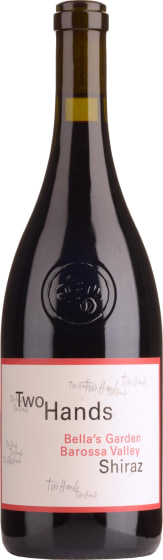
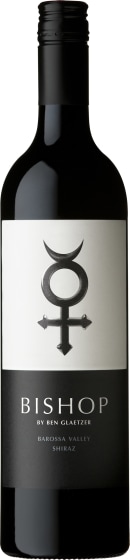
Barossa Valley, Barossa, South Australia, Australia ● Syrah/Shiraz
94 James Suckling
90 Robert Parker
Sold Out - was $70.00
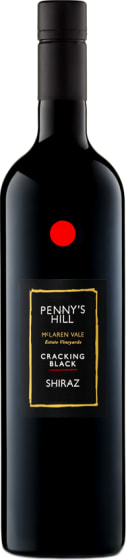
2. McLaren Vale: Silky, Savory, and Spice-Driven
McLaren Vale sits just south of Adelaide, where a coastal influence moderates the heat and produces Shiraz with a different personality. The local climate brings warm days tempered by sea breezes, resulting in tannins that tend to be softer and smoother than their Barossa counterparts. Proximity to the ocean also means zero frost risk, giving vines a long, steady growing season.
Expect plum, dark chocolate, espresso, and an earthy spice character that sets McLaren Vale Shiraz apart from other warm-climate Australian reds. Old-vine Shiraz is one of the region's clear strengths, and producers here lean into that savory, glossy style. The fruit feels ripe and generous without tipping into heaviness. If Barossa Shiraz is a bear hug, McLaren Vale is a firm handshake with a warm smile.
McLaren Vale, South Australia, Australia ● Syrah/Shiraz
91 James Suckling
Sold Out - was $28.00
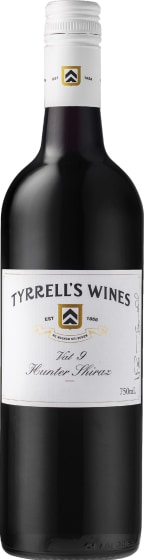
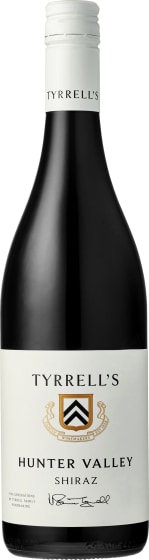
3. Hunter Valley: Peppery, Savory, and Medium-Bodied
The Hunter Valley, northwest of Sydney, sits in a subtropical climate that seems unlikely for fine wine, but cloud cover and afternoon humidity moderate what would otherwise be punishing heat. The region's weathered basalt soils, a sign of ancient volcanic activity, concentrate mineral character into the grapes and restrict vine vigor.
Hunter Valley Shiraz is a different animal from its South Australian siblings. Black pepper, leather, dried herbs, and savory earth dominate over ripe fruit. The body is medium rather than full, and the tannins have a fine, dusty quality. These are wines that reward patience and pair beautifully with roasted lamb, mushroom dishes, and anything with a smoky, savory edge. If you like your reds with restraint and spice, Hunter Valley Shiraz deserves a spot in your rotation.
Hunter Valley, New South Wales, Australia ● Syrah/Shiraz
93 James Suckling
Sold Out - was $22.00
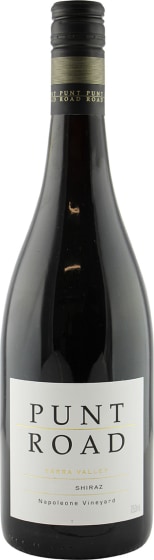
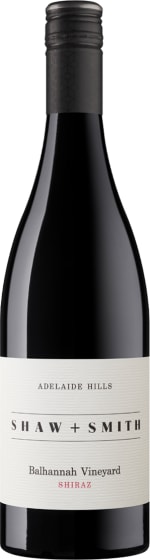
4. Cool-Climate Shiraz: From Adelaide Hills to the Yarra Valley
Australia's cool-climate Shiraz movement has redefined what the grape can do. Regions like the Adelaide Hills, Yarra Valley, and Canberra District sit at higher elevations or cooler latitudes, producing wines with brighter acidity, finer tannins, and more aromatic lift. Adelaide Hills was the first Australian region certified for organic viticulture, and many producers there have embraced whole-cluster fermentation and native yeast to preserve site character.
These wines taste closer to French Syrah than to classic Barossa Shiraz. Cracked pepper, violets, red cherry, and a streak of savory herbs define the style. The body is medium, the finish is long, and the overall impression is one of energy rather than weight. Cool-climate Shiraz is your pick when you want something with personality and precision for a dinner where the food does the heavy lifting.
Adelaide Hills, South Australia, Australia ● Syrah/Shiraz
93 Robert Parker
92 Wine Spectator
Sold Out - was $90.00
What to Spend on Australian Shiraz
A new French oak barrel costs $1,200 or more, and a single barrel yields roughly 300 bottles. An American oak barrel runs about $400. That cost difference helps explain why a $15 Australian Shiraz and a $60 single-vineyard bottling taste so different: the winemaking investment behind each bottle sets the floor for what ends up in your glass.
1. Under $20: Everyday Bottles Worth Knowing
At this price, you are drinking regional blends sourced from larger vineyards with higher yields, typically four to six tons per acre. The fruit is ripe and forward, the oak is moderate, and the winemaking prioritizes consistency and drinkability over complexity. That is not a knock. A good under-$20 Australian Shiraz delivers blackberry, plum, a touch of spice, and enough structure to stand up to a burger or a bowl of pasta.
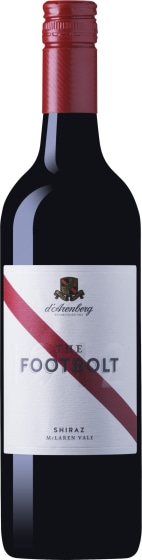
d'Arenberg, one of McLaren Vale's oldest family producers, consistently delivers at this price point. Look for wines with soft tannins, generous fruit, and an easygoing finish. These are bottles for Tuesday nights, backyard cookouts, and bringing to a friend's house without overthinking it.
McLaren Vale, South Australia, Australia ● Syrah/Shiraz
91 James Suckling
91 Wilfred Wong
Sold Out - was $20.00
2. $20–$50: The Sweet Spot for Serious Sipping
This is the range where Australian Shiraz gets interesting. Single-vineyard sourcing enters the picture, with yields dropping to one or two tons per acre compared to the four-to-six-ton yields of regional blends. Oak programs shift toward higher-quality barrels, and aging extends from a few months to a year or more. The winemaking is more hands-on at every stage, from selective harvest to more careful barrel selection.
The result is a significant jump in depth and character. You will find wines with more defined regional identity: the chocolate and spice of the Barossa, the savory plum of McLaren Vale, or the pepper and herb notes of cooler regions. This is the sweet spot for the drinker who wants something memorable with dinner but does not need a collector-level bottle. Browse Australian Shiraz from across the country. Pour these with grilled lamb, slow-smoked brisket, or a hard aged cheese, and they will hold their own.
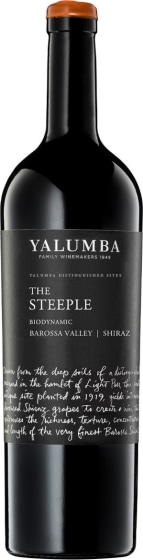
Barossa Valley, Barossa, South Australia, Australia ● Syrah/Shiraz
94 James Suckling
93 Australian Wine Companion
92 Robert Parker
92 Wine Spectator
$28
$24.97
3. $50 and Up: Collector-Worthy Australian Shiraz
Premium Australian Shiraz is almost always 100% Shiraz, not a blend, and it reflects a specific vineyard or block rather than a region. These are wines from old vines, low yields, and extended barrel aging in high-quality French oak. The best examples can cellar for 10 to 20 years or more, gaining complexity as tannins soften and secondary flavors of leather, tar, and dried spice emerge.
This is special-occasion territory: an anniversary dinner, a milestone birthday, or a bottle opened slowly over the course of an evening with good friends. If you are new to premium Shiraz, decant for at least 30 minutes. The investment in winemaking at this level is significant, and giving the wine time to open rewards you with layers of flavor you will not find at lower price points.
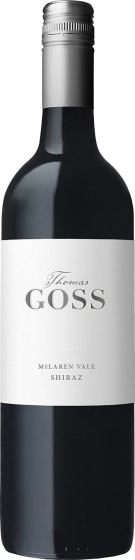
McLaren Vale, South Australia, Australia ● Syrah/Shiraz
92 Wine Spectator
$67.99
$67.99
Australian Shiraz at the Campfire
Few wines feel as at home around a fire as Australian Shiraz. The grape's bold fruit, sturdy tannins, and affinity for smoke-kissed food make it a natural match for everything from grilled steaks to campfire desserts. Choosing the right bottle comes down to matching the wine's weight and flavor to what is on the grill.
Pairing guidance:
Grilled red meats: A full-bodied Barossa or McLaren Vale Shiraz matches the char, fat, and rich flavor of a thick-cut ribeye or lamb chops. The wine's dark fruit and tannin cut through the richness, and any smoky barrel character echoes the fire.
Smoked sausages and chili: Peppery Hunter Valley Shiraz meets spice with spice. The wine's medium body and savory edge complement heat without overwhelming the dish.
Fire-roasted vegetables and mushrooms: A cool-climate Shiraz from the Adelaide Hills or Yarra Valley adds lift and aromatic complexity without overpowering the earthy, caramelized flavors of roasted produce.
Hard cheeses and charcuterie: Mid-range Shiraz in the $20 to $50 bracket, with its balance of structure and savory depth, pairs with aged cheddar, manchego, and cured meats spread out on a board by the fire.
Campfire desserts: Rich Barossa Shiraz with cocoa and dark fruit notes stands up to chocolate, s'mores, and anything with a toasty, caramelized sweetness.
Serving tips:
Temperature: Serve Australian Shiraz slightly below room temperature, around 60 to 65 degrees Fahrenheit (15 to 18 degrees Celsius). A few minutes in a cooler before pouring keeps the fruit fresh and prevents the alcohol from dominating.
Decanting outdoors: Pour the wine into a carafe or wide-mouth bottle about 20 minutes before serving. The extra surface area lets tannins soften and fruit open up, which matters especially for full-bodied bottles.
Glassware: Sturdy tumblers or stemless glasses work best around a campfire. You lose a bit of aroma concentration compared to a proper wine glass, but you gain stability on uneven ground and fewer breakage worries.
Australian Shiraz Questions, Answered
What Is the Difference Between Shiraz and Syrah?
Shiraz and Syrah are the same grape variety. The name Shiraz is used primarily in Australia, while Syrah is the standard in France and most other wine-producing countries. The difference in style comes from climate and winemaking, not genetics. Australian Shiraz tends toward riper, darker fruit, softer tannins, and a fuller body. French Syrah, particularly from the northern Rhone, leans toward black pepper, olive, and a leaner, more structured frame. Explore the full range of Syrah wines to compare styles. Some Australian producers in cooler regions have started labeling their wines as Syrah to signal a lighter, more Rhone-inspired style.
Does Australian Shiraz Need to Breathe Before Serving?
Full-bodied Australian Shiraz benefits from 20 to 30 minutes of air before serving. Decanting softens firm tannins and lets the fruit flavors expand beyond the initial hit of oak and alcohol. Younger wines and premium bottles gain the most from this step. Lighter, cooler-climate Shiraz needs less time: 10 to 15 minutes in a glass is usually enough. If you are short on time, pouring the wine into a wide glass and swirling it vigorously for a minute achieves a similar effect.
What Food Pairs Best with Australian Shiraz?
Australian Shiraz is one of the most versatile red wines at the table. Full-bodied bottles from the Barossa Valley or McLaren Vale pair with grilled red meats, braised short ribs, smoked brisket, and aged hard cheeses. Medium-bodied Shiraz from the Hunter Valley or cooler-climate regions works with roasted lamb, mushroom dishes, hearty stews, and grilled vegetables. The common thread is that Shiraz likes bold, savory flavors and handles smoke, char, and spice without flinching. For more detailed campfire pairings, see the section above on Australian Shiraz at the Campfire.
How Long Can You Cellar Australian Shiraz?
Premium Barossa Valley and McLaren Vale Shiraz from respected producers can cellar for 10 to 20 years or longer. Over time, primary fruit flavors evolve into leather, tar, dried spice, and earth, and firm tannins soften into something silky. Value-tier bottles under $20 are built for drinking within three to five years of release. Mid-range bottles in the $20 to $50 range generally drink well for five to ten years. The key indicators for cellaring potential are tannin structure, acidity, and concentration: wines with all three will reward patience.
Bringing Australian Shiraz Home
Barossa Shiraz, with its dark fruit density and oak-backed richness, is a natural match for a Tuesday night ribeye or a slow-cooked braise. Hunter Valley bottlings trade that power for pepper and earth, making them a better companion for roast lamb or anything off the grill with a char. When you want the food to lead the conversation, reach for a cool-climate bottle from the Adelaide Hills or Yarra Valley, where the acidity stays bright enough to support lighter dishes like roasted vegetables or herb-crusted pork loin. Each region gives you a different tool for a different meal, and once you start matching them to your weekly rotation, the choices get simpler, not harder.
Wine.com carries Australian Shiraz across every region and price tier covered in this guide, from everyday Barossa blends to collector-grade single-vineyard bottlings. The selection spans warm-climate and cool-climate styles, established producers and newer names, and bottles ready to drink tonight alongside those built for the cellar.