The Essential Amarone Guide: Styles, Pairings, and What to Buy
Amarone della Valpolicella is one of Italy's most distinctive red wines. Made from grapes that are partially dried before fermentation, a technique called appassimento (where freshly harvested grapes are spread on racks and left to dry for several months), it concentrates the fruit's sugars and flavors into something bold and layered. The result ranges from rich, fruit-driven bottles perfect for weeknight dinners to age-worthy collectors' wines built for special occasions.
What Makes Amarone Different
Most red wines are made from grapes crushed within hours of picking. Amarone starts months later, after the fruit has dried on racks until it looks closer to raisins than fresh grapes. That extended drying step concentrates the juice and shapes everything about the finished wine: its flavor, its body, and its price.
The Three Grapes Behind the Blend
After picking, the grapes spend roughly three to four months drying on wooden racks or bamboo mats in well-ventilated lofts. During this time, each grape loses a significant portion of its water weight. What remains is a concentrated berry packed with sugar, acid, and flavor compounds that would never develop if the fruit went straight to the press. This drying step, called appassimento, is the foundation of every Amarone.
The Grape Blend
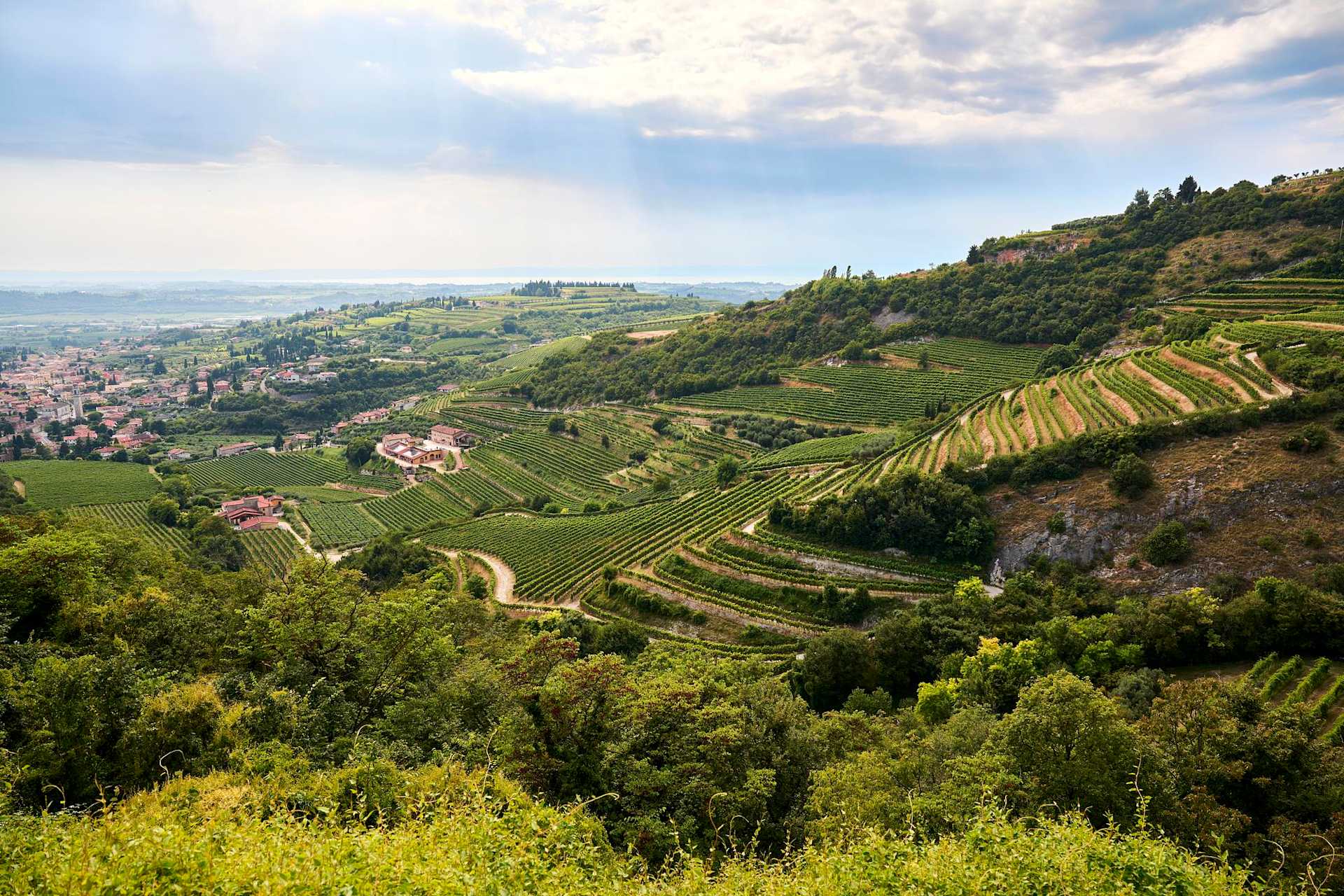
The primary grape in Amarone is Corvina, a red variety native to the Valpolicella hills in northeastern Italy's Veneto region. Corvina makes up the majority of the blend, contributing bright cherry aromatics and a firm acid backbone that keeps the finished wine balanced despite its power. Corvinone, a related variety with slightly larger berries, adds depth and tannic structure to the mid-palate. Rondinella, the third pillar, brings color intensity and subtle herbal notes. Producers may also include small amounts of other local grapes to fine-tune their house style.
This grape trio also produces Amarone's relatives. Recioto della Valpolicella is made from the same dried grapes, but fermentation stops early, leaving a sweet dessert wine. Ripasso, sometimes called "baby Amarone," is a lighter Valpolicella red that gets a second fermentation on Amarone's leftover grape skins, picking up extra body and flavor without the full appassimento commitment. Amarone itself carries Italy's DOCG classification, the country's highest quality tier, which requires extended aging before release. Riserva bottlings (a reserve-level designation indicating longer cellar time) spend at least four years maturing before they reach shelves. The finished wine typically reaches 15% to 16% alcohol by volume, occasionally higher.
How Amarone Tastes
The dried-grape process gives Amarone a flavor intensity that stands apart from most red wines. Expect dark cherry and dried fig on the nose, followed by layers of chocolate, cinnamon, and tobacco as the wine opens up. Some bottles show notes of brown sugar and baking spice, while others lean toward dried herbs and leather. The range depends on the producer's style, the vintage conditions, and how long the wine has aged.
In the glass, Amarone feels full and velvety, with a warming sensation from its higher alcohol content. The tannins, those drying compounds that come from grape skins and seeds, are typically ripe and smooth rather than grippy or harsh. One thing that surprises many first-time tasters: Amarone is classified as a dry wine, yet it often tastes richer and rounder than other dry reds. That impression comes from a small amount of residual sugar left after fermentation. This trace of sweetness balances the wine's natural acidity and creates a plush, almost silky texture on your palate.
Younger Amarone tends to lead with fresh dark fruit and spice, making it approachable and food-friendly from the start. Older bottles evolve in a different direction, developing savory notes of leather, dried mushroom, and cedar alongside the fruit. If you have the chance to taste a young and an aged Amarone side by side, the contrast shows how dramatically the wine's character shifts over time. That evolution is part of what makes Amarone compelling for collectors and curious drinkers alike.
Amarone at Every Price
Amarone is never an inexpensive wine. The appassimento process demands months of drying time, dedicated facility space, and significant grape volume to produce each bottle, since the drying process shrinks the potential yield dramatically. Within that premium category, though, there is meaningful variation in what different price levels deliver.
1. Approachable Amarone (Under $85)
Wines at this level offer a genuine Amarone experience without the extended cellar aging or single-vineyard sourcing that drives prices higher. Look for current vintages from established Valpolicella producers, often carrying the Classico designation, which means the grapes come from the original hillside vineyards historically considered the best growing sites in the appellation (the officially defined growing region). Even at this price, you are getting a wine shaped by months of grape drying and careful fermentation, which is why Amarone rarely drops below the $50 range.
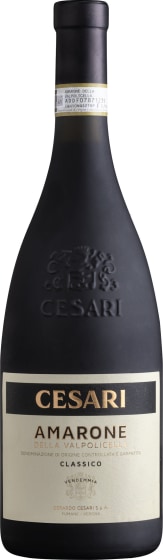
Cesari is a reliable name at this tier, producing Amarone Classico that balances ripe fruit with accessible structure. Their wines tend to show cherry and warm spice upfront, with enough tannic grip to hold up alongside food. Masi, one of the Valpolicella region's most recognized estates, offers its Costasera Amarone Classico as a consistent introduction to the style. The Costasera label has been a benchmark for accessible Amarone for decades, and current vintages deliver generous dark fruit, baking spice, and a smooth finish that works well on release without needing years of cellaring first.
Premium Amarone comes from producers who invest in more selective practices. Single-vineyard sourcing means the grapes come from one specific site, chosen for its particular soil, elevation, and sun exposure. These factors shape the wine's character in ways that multi-vineyard blends cannot replicate. Extended aging in the producer's cellar before release allows the wine to develop more complex flavors and softer tannins, meaning the winery absorbs years of storage cost before you ever see the bottle.
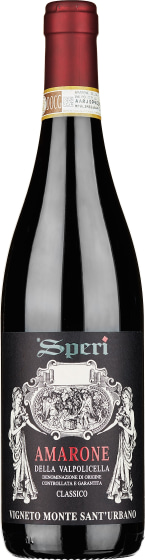
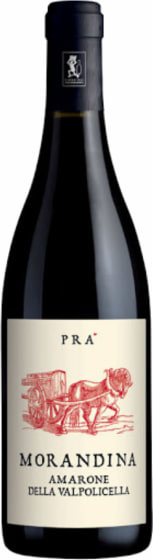
Speri's Sant'Urbano bottling draws from a single Classico vineyard and spends additional time aging in oak barrels before release, producing a wine with layered complexity and a long, evolving finish. The Sant'Urbano vineyard sits in the heart of the Classico zone, and its hillside elevation and limestone soils contribute a mineral edge that distinguishes it from blended bottlings. Pra, a smaller estate known for meticulous grape selection, offers Amarone with older-vintage character: the 2018, for example, has had time to develop the savory, earthy qualities that emerge as Italian reds mature.
A premium Amarone from a strong vintage can continue developing in your cellar for 15 to 20 years, gaining notes of leather, dried fruit, and baking spice as it evolves. If you are buying to cellar, look for vintages with good structure and acidity, since those are the qualities that sustain a wine over decades of aging. If you are buying to drink within the next year or two, premium bottles still deliver more complexity than their approachable counterparts, so the investment pays off at the dinner table.
Amarone's intensity makes it a natural partner for bold, richly flavored food. Its high alcohol and concentrated fruit can overwhelm delicate dishes, so think hearty when planning a pairing. The fat in rich meats and the salt in aged cheeses both soften the wine's tannins and let the fruit shine through. Serving it at the right temperature and giving it room to breathe will bring out the best in any bottle you open.
Serving temperature: 60–64°F (16–18°C), slightly below typical room temperature; pulling the bottle from storage 30 minutes before serving usually gets it right
Glassware: A large-bowled red wine glass, sometimes called a Bordeaux glass, gives the aromas space to develop and directs them toward your nose
Decanting: Pour younger Amarone into a decanter 1–2 hours before serving to let the flavors open up; for aged bottles, 30–60 minutes is enough, since older wines are more fragile
Rich meats: Braised beef short ribs, slow-cooked lamb shanks, and venison stew all match Amarone's weight and depth
Italian classics: Risotto all'Amarone (risotto cooked with Amarone itself), wild mushroom pasta, and rich meat ragù are traditional pairings in the Veneto region
Cheese: Aged Parmigiano-Reggiano, Gorgonzola, and Pecorino stand up to the wine's intensity; their salty, savory flavors complement the fruit
Dark chocolate: A square of 70%-plus cocoa dark chocolate echoes the wine's bittersweet, cocoa-laced character
Meditation wine: In Italy, Amarone is often called a "vino da meditazione," a wine for sipping slowly on its own after a meal, without food at all; if you have a particularly special bottle, consider pouring it solo and savoring it at your own pace
What to avoid: Delicate fish, light green salads, and very spicy dishes tend to clash; Amarone's power can overwhelm gentle flavors, and intense heat masks the wine's nuance
Amarone Questions, Answered
Is Amarone Sweet or Dry?
Amarone is officially classified as a dry wine. The confusion is understandable, because its concentrated fruit flavors and velvety texture can give an impression of sweetness that most dry reds do not share. That richness comes from the dried-grape winemaking process, not from sugar left over after fermentation. A trace of residual sugar does remain, which softens the wine's acidity and contributes to its smooth mouthfeel. By any official measure, though, Amarone falls firmly on the dry end of the spectrum.
How Long Can You Age Amarone?
Amarone is one of Italy's most age-worthy reds. Entry-level bottles from reliable producers drink beautifully within their first five to eight years, offering generous fruit and warm spice without requiring cellaring. Riserva bottlings and single-vineyard wines from strong vintages can develop gracefully for 15 to 20 years or more, gaining complex notes of leather, tobacco, and dried fig as they mature. If you plan to age a bottle, store it on its side in a cool, dark place with steady temperature. Not every Amarone needs aging, though. Many are designed to be enjoyed on release, so check with the retailer or read the producer's notes if you are unsure.
What Is the Difference Between Amarone and Ripasso?
Both wines come from the Valpolicella region and share the same core grape varieties: Corvina, Corvinone, and Rondinella. The key difference is in production. Amarone is made entirely from dried grapes, using the full appassimento process described earlier in this guide. Ripasso starts as a standard Valpolicella red, then undergoes a second fermentation on the leftover skins and sediment from Amarone production. This "re-passing" step adds body, color, and richness to the lighter wine. Think of Ripasso as Amarone's more approachable sibling: it offers a taste of the Amarone style at a lower price point and with less intensity.
How Is Amarone Different from Barolo?
Both are bold, premium Italian reds, but they achieve their power through entirely different methods. Amarone gets its richness from the appassimento drying process, which concentrates flavors before fermentation even begins. Barolo, made from Nebbiolo (a thick-skinned red grape native to northwestern Italy) in the Piedmont region, builds its intensity through the grape variety itself and extended aging in oak barrels. In the glass, Amarone tends to be plush, fruit-forward, and velvety, while Barolo is more structured, with firm tannins and earthy, floral character. Barolo often needs longer cellaring to reach its peak. If you enjoy one, the other is worth exploring as a study in how different winemaking approaches produce very different expressions of Italian wine.
Your Next Bottle
There is no single correct way to start with Amarone. Whether you begin with an approachable bottle under $85 to learn the style or save a premium bottling for a celebration, the experience will reward your curiosity. Personal taste matters more than price tag or critic opinion, and even a first bottle will tell you a lot about what you enjoy.
Consider trying one from each tier to see how the differences in vineyard sourcing and aging translate into what you taste. An entry-level Amarone with braised short ribs on a weeknight, a premium bottle opened for a birthday dinner, or a glass poured on its own after a long day: each context changes the experience and helps you understand what makes this wine worth seeking out.
Wine.com carries a range of Amarone from Valpolicella's most respected producers across every price level. Browse Amarone at Wine.com