Most wine collectors build cellars around red bottles, operating on the assumption that tannins drive aging and whites are meant to be drunk young. That framing misses an entire category of wines built for patience: aged white wine, defined by five or more years in bottle and the secondary and tertiary flavors that develop when acidity and residual sugar do the structural work that tannin performs in reds.
Why White Wines Age Differently Than Reds
A Chardonnay from Burgundy and a Barolo both reward cellaring, but they get there through different mechanisms. Red wines rely on phenolic compounds, primarily tannins, to provide a framework that evolves slowly in the bottle. White wines carry far fewer phenolics. Their longevity depends on a different structural element: acid.
How Acidity Preserves White Wine Over Time
Tartaric and malic acid serve as the backbone of an age-worthy white wine. Tartaric acid is chemically stable and resists breakdown over decades, which is why it functions as a long-term preservative. Malic acid is more reactive and participates in enzymatic changes that contribute to complexity over time. Cool-climate grapes from Germany's Mosel, the Loire Valley, or high-altitude Alpine vineyards retain higher concentrations of both acids at harvest. That retained acidity acts as a natural buffer against oxidation, keeping the wine fresh while slower chemical reactions unfold.
Riesling is a useful example. Its naturally high tartaric acid and low phenolic content allow fine examples to age for 20, 30, or even 40 years. Warmer-climate whites, harvested with lower acid and higher pH, lack that protective framework and tend to fade within a few years.
What Happens Inside the Bottle
Once sealed, white wine begins a gradual chemical evolution. Primary aromas, the fruit-driven scents of citrus, stone fruit, and blossom that define a young wine, slowly recede. In their place, secondary aromas emerge from winemaking processes like lees contact and oak aging: think brioche, toasted almond, and beeswax. Over longer periods, tertiary aromas develop through ester formation and slow oxidation. These include honey, dried apricot, chamomile, lanolin, and the petrol character associated with aged Riesling.
Color shifts visibly, too. A pale straw-colored white deepens to gold, then amber, as phenolic compounds oxidize. Texture changes in parallel. Young white wine often feels lean and angular on the palate. With time, the mouthfeel broadens, becoming rounder and more viscous as proteins and polysaccharides from lees autolysis integrate into the wine.
The Whites That Age Best (And What They Taste Like)
A dry Riesling from the Mosel and a barrel-fermented Chardonnay from Meursault both age well, but their aging trajectories look nothing alike. The Riesling evolves through acid-driven preservation in a reductive environment, gaining petrol and honeyed complexity. The Chardonnay builds texture through lees contact and controlled oxidation in oak, developing hazelnut and toasted grain notes. The grape variety, climate, and winemaking decisions all shape how a white wine changes over time.
1. Riesling
Young Riesling offers bright lime, green apple, white peach, and floral aromatics with a pronounced mineral spine. With a decade or more in bottle, those primary fruit notes give way to honey, beeswax, dried apricot, and the distinctive petrol character caused by the compound TDN (1,1,6-trimethyl-1,2-dihydronaphthalene). The wine's acidity remains vivid even as the palate broadens and gains weight.
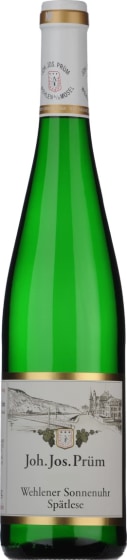
Aging windows vary by style. Dry Kabinett and Grosses Gewächs bottlings from Germany's Mosel, Rheingau, and Nahe regions can age 10 to 30 years. Spätlese and Auslese wines, with their higher residual sugar, push that range to 20 to 50 years in exceptional vintages. Alsace Grand Cru Rieslings follow a similar trajectory. Riesling ages because it combines naturally high acidity with low phenolic content, meaning it resists oxidation while slowly developing complexity.
Young Chardonnay ranges from crisp apple and citrus in unoaked styles to butter, vanilla, and tropical fruit when barrel-fermented. Aged Chardonnay, particularly from Burgundy, transforms into something markedly different: hazelnut, toasted brioche, truffle, beeswax, and a savory, almost umami richness that comes from extended lees autolysis. The texture gains weight and becomes almost oily.
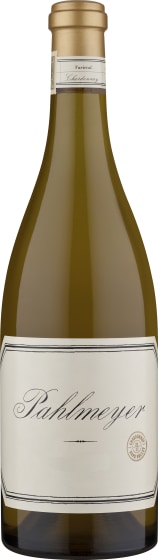
Top white Burgundy from Meursault, Puligny-Montrachet, and Corton-Charlemagne can age 10 to 20 years, with Grand Cru bottlings sometimes lasting 30 years or more. A new French oak barrel costs roughly $1,000 to $1,200, and premium Burgundy producers may age their wines 12 to 18 months in a high percentage of new wood. That oak program, combined with barrel fermentation and extended lees stirring, builds the structural foundation for long aging. Napa Valley reserve Chardonnays from producers committed to similar techniques also reward 5 to 12 years of cellaring.
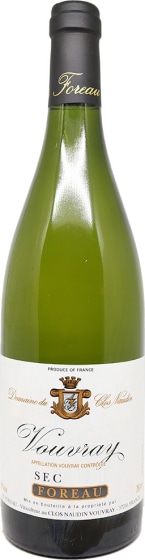
Young Chenin Blanc from the Loire Valley shows quince, green pear, chamomile, and a striking minerality. With age, the best examples develop honeycomb, lanolin, dried ginger, and a waxy texture that coats the palate. The acidity remains piercing even after decades. Vouvray, Montlouis, and Savennières are the Loire's three reference points for age-worthy Chenin. Vouvray and Montlouis can be produced in dry, off-dry, or sweet styles, and the best examples from great vintages last 30 to 50 years. Savennières, always dry, produces densely flavored wines with such grip and concentration that they often need 5 to 10 years just to open up.
Chenin Blanc ages because it carries some of the highest natural acidity of any white grape variety, frequently registering total acidity levels that rival Riesling. In wines that skip malolactic fermentation, that malic acid remains intact and acts as a long-term preservative.
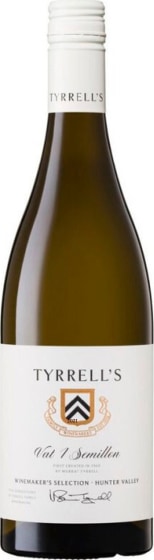
Young Sémillon can be bracing and citrus-driven, particularly from Australia's Hunter Valley, where early picking produces lean, limey whites with almost no oak influence. Young White Bordeaux blends (typically Sémillon with Sauvignon Blanc) lean toward fig, citrus, and waxy textures. With age, dry Sémillon develops toast, lanolin, honey, and a richness that resembles fine aged Chardonnay. The transformation in Hunter Valley Sémillon is especially dramatic: wines that taste sharp and austere at release become golden, honeyed, and complex after 10 to 20 years.
Sweet Sémillon-based wines represent the extreme end of white wine longevity. Sauternes and Barsac, produced through noble rot (botrytis), concentrate sugar and acid to levels that allow cellaring for 40, 50, or even 100 years. The combination of residual sugar, high acidity, and botrytis-derived chemical complexity gives these wines a cellaring runway measured in decades rather than years.
Several other white varieties reward patience. Grüner Veltliner from Austria's Wachau region, particularly Smaragd bottlings, can develop beautifully over 8 to 15 years, gaining tobacco and lentil notes. Furmint, the grape behind Hungary's Tokaji, shares Riesling's high-acid profile and ages for decades in both dry and sweet styles. White Rioja, aged extensively in oak before release, offers a ready-made expression of what time does to white wine. Marsanne and Roussanne from the Northern Rhône can age 10 to 20 years, evolving from floral and stone-fruit into almond, quince paste, and beeswax.
Aging changes the taste of white wine in predictable, measurable ways. The bright fruit flavors of a young white gradually give way to secondary and tertiary characteristics: honey, nuts, dried fruit, spice, and savory or earthy notes. Acidity remains but integrates into the wine's texture, feeling less sharp and more woven into the overall structure. Color deepens from pale straw or green-gold to deep gold and eventually amber.
The progression follows a general timeline, though the exact pace depends on the grape variety, winemaking, and storage conditions. A Riesling and a Chardonnay will reach each stage at different speeds, but the sequence of changes is remarkably consistent.
2 to 5 years: Primary fruit softens as citrus and stone fruit recede slightly. Early secondary notes begin to emerge: almond skin, white flowers shifting to chamomile, a hint of honey. Acidity is still prominent, but the wine begins to feel rounder on the palate
5 to 10 years: Tertiary development becomes noticeable as dried apricot, beeswax, toasted hazelnut, and lanolin appear. The color deepens to medium gold. Texture gains weight and viscosity, and wines with residual sugar start showing candied ginger and marmalade
10 to 20 years: The wine is fully in its tertiary phase. Petrol notes develop in Riesling, truffle and mushroom in Chardonnay, quince paste and dried herb in Chenin Blanc. The palate is broad and layered, with acidity now felt as a structural thread rather than a sharp edge
20+ years: Only the most structured wines reach this stage intact. Expect amber color, dried fruit, tobacco leaf, saffron, caramel, and oxidative complexity. Great examples maintain tension and vibrancy, while lesser wines taste flat and tired
How to Store and Serve Aged White Wine
White wines destined for aging need the same cellar conditions as reds. The details matter more than they might seem, because white wines, with their lower phenolic content, are more vulnerable to heat damage and light exposure.
Temperature: Store at 50 to 55°F (10 to 13°C). Consistency matters more than hitting an exact number. Temperature swings above 70°F accelerate chemical reactions and can cook the wine within months
Humidity: Maintain 60 to 70% relative humidity to keep natural corks from drying out. A dried cork allows oxygen in, which turns controlled aging into premature oxidation
Position: Store bottles on their sides to keep the cork moist. Wines under screw cap can be stored upright without concern
Light: Ultraviolet light degrades wine through a process called light strike. Store in darkness or use UV-filtered lighting in cellar spaces
Serving temperature: Serve aged whites at 50 to 55°F, warmer than you would pour a young Sauvignon Blanc. Colder temperatures suppress the complex aromatics that make aged wine worth waiting for
Decanting: Many aged whites benefit from 15 to 30 minutes in a decanter. This allows volatile compounds to open up and any reductive notes (struck match or sulfur) to dissipate. Handle gently, as very old whites may have fine sediment
Timing: Open aged white wine within 2 to 4 hours of when you plan to drink it. Once exposed to air, old whites evolve quickly in the glass and may fade within an hour or two
Aged White Wine Questions, Answered
Can I Drink 10-Year-Old White Wine?
It depends on the wine. A 10-year-old Riesling Spätlese from the Mosel or a white Burgundy Grand Cru will likely be drinking at or near its peak. A 10-year-old unoaked Pinot Grigio, on the other hand, has almost certainly faded past its best window. The key factors are the grape variety, the wine's acidity at bottling, the presence of residual sugar, and how the bottle was stored. If the wine was cellared properly and belongs to an age-worthy category, 10 years can represent a sweet spot.
Does All White Wine Get Better with Age?
No. The vast majority of white wine is made to drink within one to three years of release. Roughly 90% of wine purchased in the United States is consumed within three days of buying it, and most of those bottles are whites and rosés designed for immediate enjoyment. Only whites with high acidity, structural complexity from lees aging or oak fermentation, and careful winemaking are built to improve with time. Everyday Sauvignon Blanc, Pinot Grigio, and unoaked Chardonnay fall outside this category.
How Long Does White Wine Last Unopened?
An unopened bottle of everyday white wine stays at its best for 1 to 3 years from the vintage date when stored in a cool, dark place. After that, the fruit fades and the wine tastes flat. Age-worthy whites have a much longer runway: 10 to 20 years for fine Chardonnay, 15 to 40 years for top Riesling, and 20 to 50 years for the best sweet Chenin Blanc and Sauternes. Storage conditions are the deciding factor. A bottle kept at room temperature on a kitchen counter will decline far faster than the same wine stored at 55°F in a cellar.
Does Pinot Grigio Age Well?
Pinot Grigio, known as Pinot Gris in Alsace and Oregon, is generally made for early drinking. Italian Pinot Grigio is typically fermented in stainless steel and bottled within months of harvest. It shows its best in the first year or two. The exception is Alsace Pinot Gris, a richer, sometimes off-dry style with higher extract and acidity. Top Alsace examples can age 5 to 10 years, developing honey and almond notes. Orange wines made from extended skin-contact Pinot Grigio also have more structure for short-term aging.
How Can I Tell If an Old White Wine Has Gone Bad?
Look at the color first. Some deepening toward gold is expected and desirable. If the wine is brown or muddy, that signals excessive oxidation. Smell it next: vinegar, wet cardboard, or musty basement aromas indicate spoilage from volatile acidity, cork taint, or bacterial contamination. On the palate, a wine that tastes sharp, acidic without fruit, or flat and lifeless has likely passed its peak. A healthy aged white wine should still show some vibrancy and complexity, even if the flavors have shifted from fresh fruit to dried fruit, nuts, and honey.
Your Next Bottle
Aged white wine is not a niche collector's pursuit. A Riesling Spätlese held for a decade offers honeyed complexity at a fraction of what aged red Burgundy costs. A well-cellared white Bordeaux at 15 years delivers a texture and depth that its young self could not have hinted at. Even a five-year-old barrel-fermented Chardonnay shows a different, more layered version of itself.
The range of age-worthy whites is broader than most drinkers expect. Start with a category you already enjoy and try a bottle with some years on it. Compare a young Riesling alongside one with five or more years of age. Taste a current-release Vouvray next to a bottle from the same producer with a decade of cellaring. The differences are striking, and the price of entry is often lower than you might think.