


Winemaker Notes
Deep ruby-red in appearance, with a complex and alluring bouquet of black cherry, cassis, blackberry, and raspberry preserves, layered with earthy nuances of tobacco leaf, forest floor, and dark cacao. Full-bodied and richly textured, juicy notes of blackcurrant and spiced plum are supported by silky, plush tannins. The wine shows a balanced acidity and an elegant structure, with subtle oak influence lending tension through to a refined finish.
Professional Ratings
-
James Suckling
Aromas of fresh strawberries, lemon blossoms, honeysuckle, jasmine and orange blossoms. Medium-bodied with ultra-fine tannins and a subtle, fruity finish. Seems like a pinot noir. Spends 16 months in used French oak. What a wine. Try to find it. Drink now.
-
Tasting Panel
Mineral-rich soils are reflected in finely delineated tannins and a seamless, steely mouthfeel. Plump blue fruit amps the wine’s energy and verve, while wild dried herbs bring added texture. Ultimately, its juicy, fruity persona is what is most desirable.
-
Wine Enthusiast
Rich and suave, with layers of blueberry parfait, damson, and a hint of cocoa. The tannins are melting and refined, giving the wine a seamless texture. Long and expressive on the finish, showing both depth and finesse. This is for the fans of the polished style.
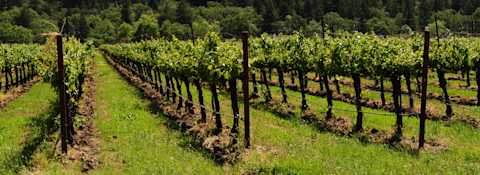

Beyond the usual suspects, there are hundreds of red grape varieties grown throughout the world. Some are indigenous specialties capable of producing excellent single varietal wines, while others are better suited for use as blending grapes. Each has its own distinct viticultural characteristics, as well as aroma and flavor profiles, offering much to be discovered by the curious wine lover. In particular, Portugal and Italy are known for having a multitude of unique varieties but they can really be found in any region.
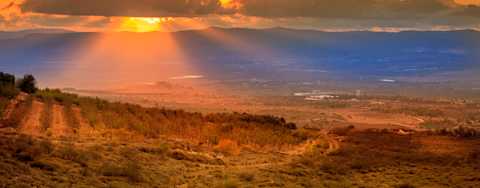
Sitting just north of Iran and east of Turkey, Armenia is a mountainous and land-locked ex-Soviet republic. As part of the Transcaucasion region, which includes eastern Turkey, Azerbaijan and Georgia, Armenia is among the oldest of wine growing regions. While the prevalence and popularity of Armenian winemaking has evolved over the centuries, the wild vine Vitis vinifera silvestris (an ancestor of today’s Vitis vinifera wine-producing species) has been growing here for over a million years. Today the majority of the grapes grown in Armenia go to Brandy production, but the rising demand for Armenian wine in its most popular market, Russia, is fueling growth of still wine production. Most of the country’s wines come from the regions of Armavir, Ararat and Vayots Dzor. Though Armenia lays claim to hundreds of indigenous varieties, it uses only about 30 for the majority of its wine production, three quarters of which is white. The key white varieties include Chilar, Lalvari and Voskehat; for reds, Kakhet, Areni and Khndogni (also known as Sireni) are the main players.