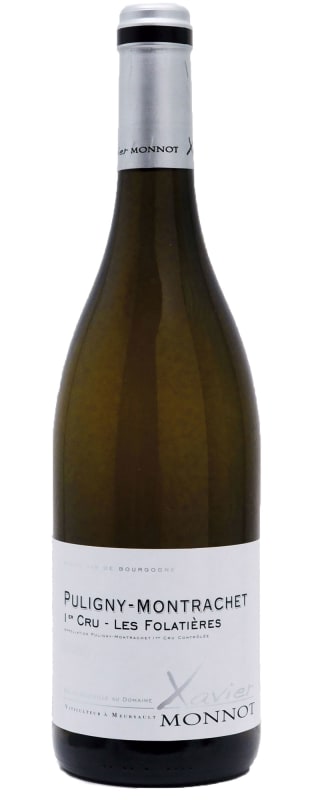


Winemaker Notes
Wines from Meursault are typified by aromas and flavors of ripe melon, hazelnut, and lemon custard, and tend to be broader and more textural than wines from neighboring villages. Aging in 15-20% percent small French oak barrels lends notes of toast and vanilla.
White Burgundy, with its richness, texture, and toasted flavors pairs well with light fish and shellfish and can counterbalance cream-based sauces. Oak-aged Chardonnay from warmer climates lends itself well to grilled fish, starches, butter, and toasted nuts.
Professional Ratings
-
Jasper Morris
Mid yellow. This wine used to be a Clive Coates favourite, Xavier Monnot tells me. Good solid weight throughout with a little biscuity touch. Excellent density, some lively yellow fruit, correct acidity and with good weight. A wine for the long term.
-
Wine & Spirits
Monnot’s grandmother brought this 2-acre parcel into the family domaine, the vines planted between 1959 and 1973. Monnot’s 2020 comes in at 12.9 percent alcohol, yet it still feels fat in its generous yellow peach and chamomile flower depths. The heady richness tightens up around mineral salinity, keeping it fresh, clean and gentle. This should age with grace.


One of the most popular and versatile white wine grapes, Chardonnay offers a wide range of flavors and styles depending on where it is grown and how it is made. While it tends to flourish in most environments, Chardonnay from its Burgundian homeland produces some of the most remarkable and longest lived examples. California produces both oaky, buttery styles and leaner, European-inspired wines. Somm Secret—The Burgundian subregion of Chablis, while typically using older oak barrels, produces a bright style similar to the unoaked style. Anyone who doesn't like oaky Chardonnay would likely enjoy Chablis.

A source of some of the finest, juicy, silky and elegantly floral Chardonnay in the Côte de Beaune, Puligny-Montrachet lies just to the north of Chassagne-Montrachet, a village with which it shares two of its Grands Crus vineyards: Le Montrachet itself and Bâtard-Montrachet. Its other two, which it owns in their entirety, are Chevalier-Montrachet and Bienvenues-Bâtard-Montrachet. And still, some of the finest white Burgundy wines come from the prized Premiers Crus vineyards of Puligny-Montrachet. To name a few, Les Pucelles, Le Clavoillon, Les Perrières, Les Referts and Les Combettes, as well as the rest, lie northeast and up slope from the Grands Crus.
Farther to the southeast are village level whites and the hamlet of Blagny where Pinot Noir grows best and has achieved Premier Cru status.