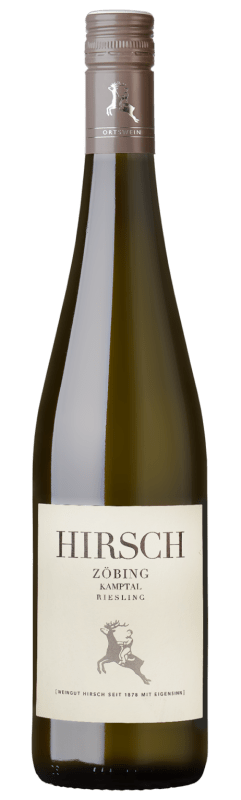


Winemaker Notes
Cool and fresh, bright and fragrant, reminiscent of white Mirabelle plums, a spring meadow in blossom. Elegant and charming; full of juicy yet graceful fruit with finesse and polish. Very enticing palate, crisp, lively, compact and streamlined finish.
Professional Ratings
-
James Suckling
Lemons, white peaches and honey on the nose of this pure, cool white. It’s medium-bodied, fresh and minerally with lemony acidity. Pristine. From biodynamically grown grapes with Respekt certification. Drink now or hold.
-
Vinous
The 2024 Riesling Zöbing comes from younger vines in the single Riesling sites Gaisberg, Heiligenstein and Kleeblatt, and was made exclusively in stainless steel. On the nose, a touch of ripe, juicy Cox Orange Pippin apple is slight yet fresh and appetizing. The palate is ultra light, serenely citric, lithe and bright, with a beautiful suspicion of tangerine that swings along the lemon freshness.
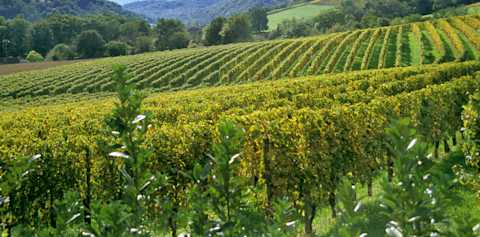
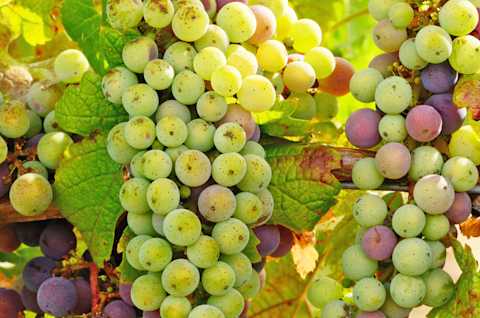
Riesling possesses a remarkable ability to reflect the character of wherever it is grown while still maintaining its identity. A regal variety of incredible purity and precision, this versatile grape can be just as enjoyable dry or sweet, young or old, still or sparkling and can age longer than nearly any other white variety. Somm Secret—Given how difficult it is to discern the level of sweetness in a Riesling from the label, here are some clues to find the dry ones. First, look for the world “trocken.” (“Halbtrocken” or “feinherb” mean off-dry.) Also a higher abv usually indicates a drier Riesling.
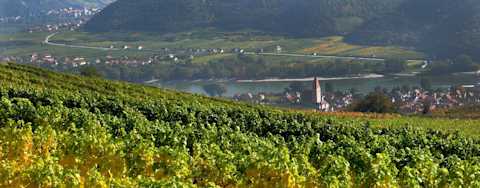
Climbing north and slightly east of the Kremstal region, Kamptal has very little vineyard area bordering the Danube River (unlike Wachau and Kremstal, whose vineyards run along it). The region takes its name from the river called Kamp, which traverses it north and south. Kamptal’s densely planted vineyards represent eight percent of Austria’s total.
The area experiences wide diurnal temperature variations like the Wachau but with less rain and more frost. Its vast geologic diversity makes it suitable for various experimentations with other varieties besides Grüner Veltliner and Riesling, such as Chardonnay, Pinot Blanc (Weissburgunder), Sauvignon Blanc, Pinot Noir, St. Laurent and Zweigelt.
But the region is probably most noted for the beautiful and expansive terraced Heiligenstein, arguably one of the world’s top Riesling sites, as well as some of Austria’s most extraordinary Grüner Veltliner vineyards. Kamptal’s soils, which are mostly loess and sand with some gravel and rocks, make it suitable for Grüner Veltliner, so much so that actually half of the zone is planted to that grape.