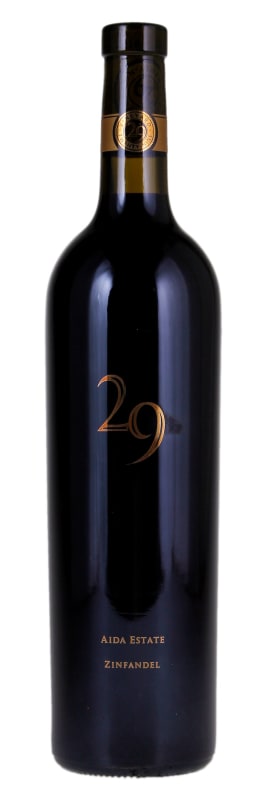


Winemaker Notes
The 2018 Aida Estate Zinfandel is a blend of 88% Zinfandel and 12% Petite Sirah sourced from two small blocks on the Aida Estate. Exciting, lifted aromatics of plums, currants, white pepper and tobacco jump from the glass leading to a juicy, fruit- forward entry, medium-full body and a long, mouthwatering finish. The Petite Sirah brings intense color, fresh blueberry cobbler, firm structure and natural acidity to the blend while the Zinfandel maintains its varietal characteristics of brambly blackberry, white flowers and raspberry preserves. The tannin profile is chewy and the finish is racy and savory with a firm acid backbone, a perfect combination to be enjoyed with grilled meats. This lovely expression of Zinfandel is gorgeous upon release and will age gracefully for well over 15 years.
Professional Ratings
-
Robert Parker's Wine Advocate
The 2018 Zinfandel Aida Estate is a blend of 88% Zinfandel and 12% Petite Sirah. Displaying a medium to deep garnet-purple color, it comes prancing out of the glass with opulent scents of baked plums, kirsch, raspberry pie and dried mulberries with hints of fruitcake, prunes, hoisin and spice box. Medium to full-bodied, the palate is coated with spicy red and black fruit preserves plus a lively backbone and chewy tannins, finishing savory.
-
Jeb Dunnuck
Including 12% Petite Sirah, the 2018 Zinfandel Aida Estate has pretty, slightly restrained notes of plum and mulberry fruits as well as licorice, brambly herbs, and cedarwood. These carry to a medium to full-bodied, chocolatey, sweetly fruited, layered Zinfandel offering plenty of mid-palate depth, sweet tannins, and a great finish. I suspect it will gain more complexity with a year or two of bottle age and should evolve nicely through 2030.
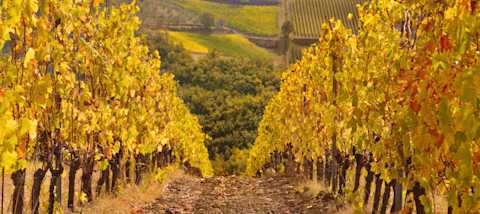
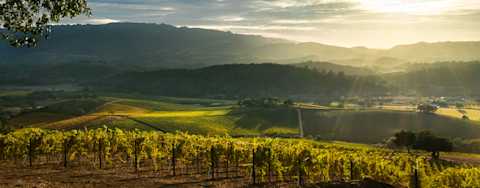
Undoubtedly proving its merit over and over, Napa Valley is a now a leading force in the world of prestigious red wine regions. Though Cabernet Sauvignon dominates Napa Valley, other red varieties certainly thrive here. Important but often overlooked include Merlot and other Bordeaux varieties well-regarded on their own as well as for their blending capacities. Very old vine Zinfandel represents an important historical stronghold for the region and Pinot noir is produced in the cooler southern parts, close to the San Pablo Bay.
Perfectly situated running north to south, the valley acts as a corridor, pulling cool, moist air up from the San Pablo Bay in the evenings during the hot days of the growing season, which leads to even and slow grape ripening. Furthermore the valley claims over 100 soil variations including layers of volcanic, gravel, sand and silt—a combination excellent for world-class red wine production.