
Winemaker Notes




Founded in 1961 from humble beginnings, Villa Maria is a story of pioneering spirit and a desire to champion the best of New Zealand wine.
From the cool climate region of Marlborough, famous for crisp, refreshing Sauvignon Blanc, to the sun-soaked Hawkes Bay producing world-class reds, their wine is a unique expression of their extraordinary land, passion for excellence and bold spirit.
Their portfolio of highly awarded wines is the most stylistically and regionally diverse in New Zealand, setting them apart and consistently delivering a rewarding wine experience.
As the leading winemakers in Marlborough with an unwavering focus on quality and sustainability, Villa Maria wines are distinctive, vibrant, and most importantly, delicious.
Today, Villa Maria is globally recognized and adored for bold, expressive, and exceptional New Zealand wines.

Showing a unique rosy, purplish hue upon full ripeness, this “white” variety is actually born out of a mutation of Pinot Noir. The grape boasts two versions of its name, as well as two generally distinct styles. In Italy, Pinot Grigio achieves most success in the mountainous regions of Trentino and Alto Adige as well as in the neighboring Friuli—all in Italy’s northeast. France's Alsace and Oregon's Willamette Valley produce some of the world's most well-regarded Pinot Gris wine. California produces both styles with success.
Where Does Pinot Gris / Pinot Grigio Come From?
Pinot Gris is originally from France, and it is technically not a variety but a clone of Pinot Noir. In Italy it’s called Pinot Grigio (Italian for gray), and it is widely planted in northern and NE Italy. Pinot Gris is also grown around the globe, most notably in Oregon, California, and New Zealand. No matter where it’s made or what it’s called, Pinot Gris/Pinot Grigio produces many exciting styles.
Tasting Notes for Pinot Grigio
Pinot Grigio is a dry, white wine naturally low in acidity. Pinot Grigio wines showcase signature flavors and aromas of stone fruit, citrus, honeysuckle, pear and almond. Alsatian styles are refreshing, expressive, aromatic (think rose and honey), smooth, full-bodied and richly textured and sometimes relatively higher in alcohol compared to their Italian counterpart. As Pinot Grigio in Italy, the style is often light and charming. The focus here is usually to produce a crisp, refreshing, lighter style of wine. While there are regional differences of Pinot Grigio, the typical profile includes lemon, lime and subtle minerality.
Pinot Grigio Food Pairings
The viscosity of a typical Alsatian Pinot Gris allows it to fit in harmoniously with the region's rich foods like pork, charcuterie and foie gras. Pinot Grigio, on the other hand, with its citrusy freshness, works well as an aperitif wine or with seafood and subtle chicken dishes.
Sommelier Secrets
Given the pinkish color of its berries and aromatic potential if cared for to fully ripen, the Pinot Grigio variety is actually one that is commonly used to make "orange wines." An orange wine is a white wine made in the red wine method, i.e. with fermentation on its skins. This process leads to a wine with more ephemeral aromas, complexity on the palate and a pleasant, light orange hue.
To learn more, see our Essential Pinot Grigio Guide.

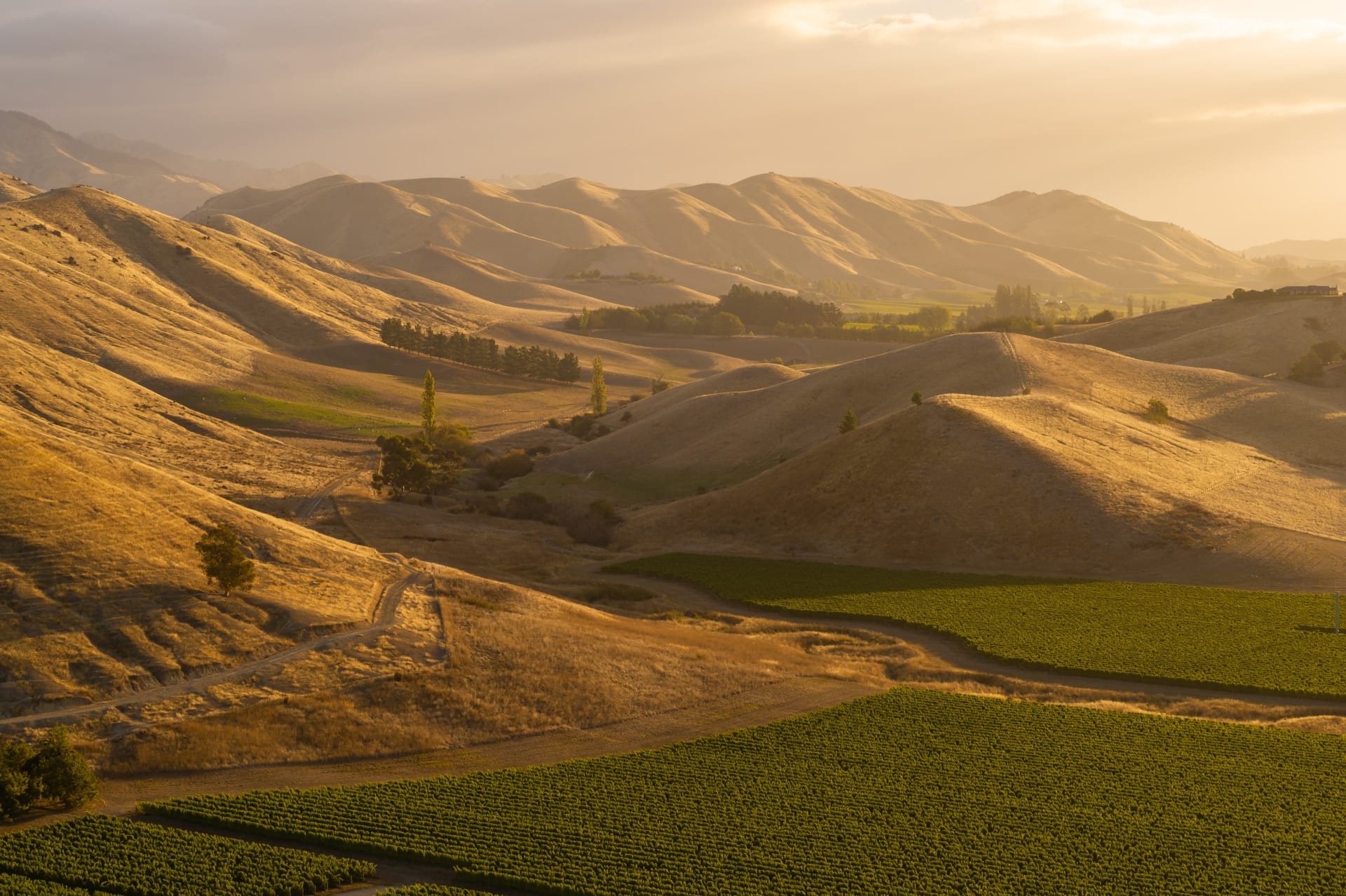
An icon and leading region of New Zealand's distinctive style of Sauvignon blanc, Marlborough has a unique terroir, making it ideal for high quality grape production (of many varieties). Despite some common generalizations, which could be fairly justified given that Marlborough is responsible for 90% of New Zealand's Sauvignon blanc production, the wines from this region are actually anything but homogenous. At the northern tip of New Zealand’s South Island, the vineyards of Marlborough benefit from well-draining, stony soils, a dry, sunny climate and wide temperature fluctuations between day and night, a phenomenon that supports a perfect balance between berry ripeness and acidity.
The region’s king variety, Sauvignon blanc, is beloved for its pungent, aromatic character with notes of exotic tropical fruit, freshly cut grass and green bell pepper along with a refreshing streak of stony minerality. These wines are made in a wide range of styles, and winemakers take advantage of various clones, vineyard sites, fermentation styles, lees-stirring and aging regimens to differentiate their bottlings, one from one another.
Also produced successfully here are fruit-forward Pinot noirs (especially where soils are clay-rich), elegant Riesling, Pinot gris and Gewürztraminer.