


Winemaker Notes
Ruby color with ripe red cherry aromas and vanilla. With hints of violets the on the palate it shows bright acidity, soft tannins with good integration of oak, good complexity and a lingering cherry finish.
Antipasti, rich salads, grilled seasoned vegetables, hearty soups/stews, pastas or with breaded veal, pork, chicken with light sauces.
Professional Ratings
-
Robert Parker's Wine Advocate
Beautifully rich and layered, the Vietti 2019 Barbera d'Alba Tre Vigne meets all its marks. The wine offers pleasure, softness, concentration and an easy-drinking style that could accompany and enhance any of your favorite foods, from pasta to grilled meat. It ends with richness and a sweet note that lands softly onto the palate.
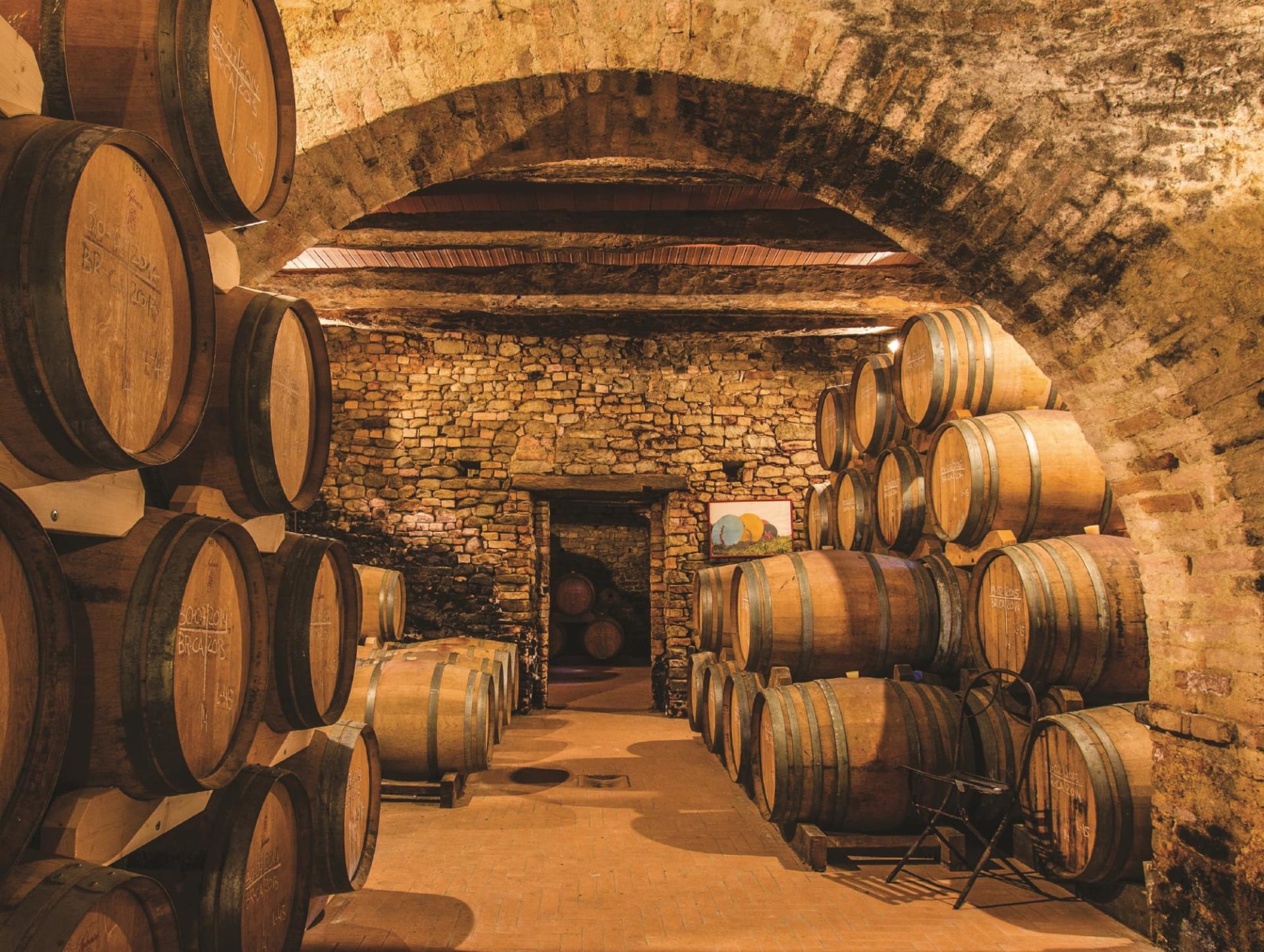


Located in the heart of the Langhe hills, at the top of the village of Castiglione Falletto, the Vietti wine cellar was founded in the late 1800's by Carlo Vietti. The estate has gradually grown over the course of time, and today the vineyards include some of the most highly prized terroirs within the Barolo and Barbaresco winegrowing areaS.
Although they have been making wine for four generations, the turning point came in the 1960's when Luciana Vietti married winemaker and art connoisseur Alfredo Currado, whose intuitions - from the production of one of the first Barolo crus (Rocche di Castiglione - 1961), through the single-varietal vinification of Arneis (1967) to the invention of Artist Labels (1974) - made him both symbol and architect of some of the most significant revolutions of the time.
Alfredo’s intellectual, professional, and prospective legacy was taken up by Luca Currado Vietti (Luciana and Alfredo’s son) and his wife Elena, who contributed greatly to the success of the Vietti brand before their departure in 2023. In 2016 the historic winery was acquired by Krause family. Over the last seven year, they have added a number of prized crus to the estate’s holdings. In 2022 the winery was named Winery of the Year by Antonio Galloni of Vinous.
Vietti is universally recognized today as being one of the very finest Italian wine labels - by continuing along the path of the pursuit of quality, considered experimentation and working for expansion and consolidation internationally.

Friendly and approachable, Barbera produces wines in a wide range of styles, from youthful, fresh and fruity to serious, structured and age-worthy. Piedmont is the most famous source of Barbera; those from Asti and Alba garner the most praise. Barbera actually can adapt to many climates and enjoys success in some New World regions. Somm Secret—In the past it wasn’t common or even accepted to age Barbera in oak but today both styles—oaked and unoaked—abound and in fact most Piedmontese producers today produce both styles.

An historic village situated right in between the famous regions of Barolo and Barbaresco, Alba is also the name for the larger wine region surrounding the village.
In a sense, “Alba” is a catch-all phrase, and includes the declassified Nebbiolo wines made in Barolo and Barbaresco, as well as the Nebbiolo grown just outside of these regions’ borders. In fact, Nebbiolo d’Alba is a softer, less tannic and more fruit-forward wine ready to drink within just a couple years of bottling. It is a great place to start if you want to begin to understand the grape. Likewise, the even broader category of Langhe Nebbiolo offers approachable and value-driven options as well.
Barbera, planted alongside Nebbiolo in the surrounding hills, and referred to as Barbera d’Alba, takes on a more powerful and concentrated personality compared to its counterparts in Asti.
Dolcetto is ubiquitous here and, known as Dolcetto d'Alba, can be found casually served alongside antipasti on the tables of Alba’s cafes and wine bars.
Not surprisingly, given its location, Alba is recognized as one of Italy’s premiere culinary destinations and is the home of the fall truffle fair, which attracts visitors from worldwide every year.