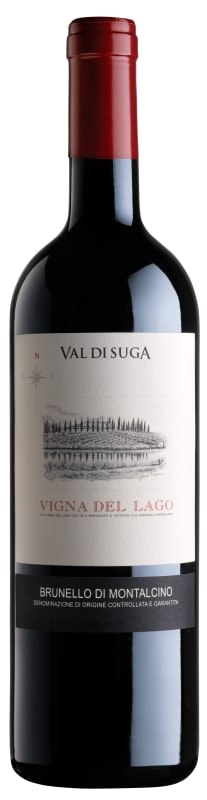


Winemaker Notes
Professional Ratings
-
Jeb Dunnuck
Vigna di Lago is sourced from 270 meters above sea level, on the northern slope of Montalcino, expressive of its more continental climate and clay soils. It reveals fresh and floral aromatics, with bright red fruit, rose petal, dried thyme, and dusty earth. The palate is crisp and refreshing, with ripe raspberry, candied strawberry, and tea leaf. Its structure is medium-bodied and driven by its energetic acidity, with fine grained tannin. This is the most restrained and high toned of the lineup now, but it will be long-lived and is great for those who enjoy a brighter, more lifted style with tension. Holding off five or more years in cellar will be a benefit, then enjoy over the next 20 years. 2026-2041.
-
James Suckling
Crushed gravel and dried earth on the nose with intense layers of mushrooms, dried oysters and potpourri. Dried flowers and grapefruit peel. It's full-bodied with refined tannins and a long, elegant finish. Quite tight. Juicy and savory at the end. Drink after 2024.
-
Wine Spectator
This starts out with pronounced iron and graphite aromas and flavors, wrapped around a beam of black cherry and black currant fruit. Earth, tobacco and wild herb accents get swept up in the dense, dusty tannins on the finish. Best from 2024 through 2045.
-
Wine Enthusiast
Forest-floor, camphor, wild-berry and toasted nut aromas lead the way. Elegantly structured, the linear palate offers dried cherry, blood orange, star anise and hazelnut framed in close-grained tannins. Drink 2024–2031.



Among Italy's elite red grape varieties, Sangiovese has the perfect intersection of bright red fruit and savory earthiness and is responsible for the best red wines of Tuscany. While it is best known as the chief component of Chianti, it is also the main grape in Vino Nobile di Montepulciano and reaches the height of its power and intensity in the complex, long-lived Brunello di Montalcino. Somm Secret—Sangiovese doubles under the alias, Nielluccio, on the French island of Corsica where it produces distinctly floral and refreshing reds and rosés.

Famous for its bold, layered and long-lived red, Brunello di Montalcino, the town of Montalcino is about 70 miles south of Florence, and has a warmer and drier climate than that of its neighbor, Chianti. The Sangiovese grape is king here, as it is in Chianti, but Montalcino has its own clone called Brunello.
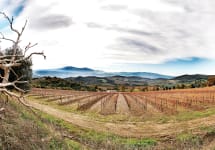
The Brunello vineyards of Montalcino blanket the rolling hills surrounding the village and fan out at various elevations, creating the potential for Brunello wines expressing different styles. From the valleys, where deeper deposits of clay are found, come wines typically bolder, more concentrated and rich in opulent black fruit. The hillside vineyards produce wines more concentrated in red fruits and floral aromas; these sites reach up to over 1,600 feet and have shallow soils of rocks and shale.
Brunello di Montalcino by law must be aged a minimum of four years, including two years in barrel before realease and once released, typically needs more time in bottle for its drinking potential to be fully reached. The good news is that Montalcino makes a “baby brother” version. The wines called Rosso di Montalcino are often made from younger vines, aged for about a year before release, offer extraordinary values and are ready to drink young.