


Winemaker Notes
Professional Ratings
-
Robert Parker's Wine Advocate
The 2013 Zinfandel Salvador Vineyard comes from another ancient, organically farmed vineyard, this one in Contra Costa. Its vines were planted in 1896, and the soils are pure sand. An absolutely amazing Zinfandel, this gorgeously proportioned, super-rich wine crosses the palate with a surprisingly unnoticeable 16.1% alcohol. Good acidity, a corpulent, full-bodied, multi-dimensional mouthfeel with blueberry and blackberry jam, some cassis, earth and forest floor notes are all present in this spectacular wine that again will transport a blind taster to the South of France rather than the backwaters of California. I suppose if the FX series “Sons of Anarchy” had a house wine after a long ride on their choppers, this would be it. This is pedal-to-the-metal, full-throttle Zinfandel at its greatest, what California does so well and what no other region in the world can produce. This is killer stuff and a tribute to our early immigrants, who had the foresight to plant these vines at this remarkable site. Drink it over the next decade.
-
Wine Spectator
Sleek and jammy, but with a nicely structured core, this red combines bright cherry and toasty sage aromas with supple, ripe flavors of wild berry, anise and licorice. Drink now through 2024.


Unapologetically bold, spice-driven and jammy, Zinfandel has secured its title as the darling of California vintners by adapting well to the state's diverse microclimates and landscapes. Born in Croatia, it later made its way to southern Italy where it was named Primitivo. Fortunately, the imperial nursery of Vienna catalogued specimens of the vine, and it later made its way to New England in 1829. Parading the true American spirit, Zinfandel found a new home in California during the Gold Rush of 1849. Somm Secret—California's ancient vines of Zinfandel are those that survived the neglect of Prohibition; today these vines produce the most concentrated, ethereal and complex examples.
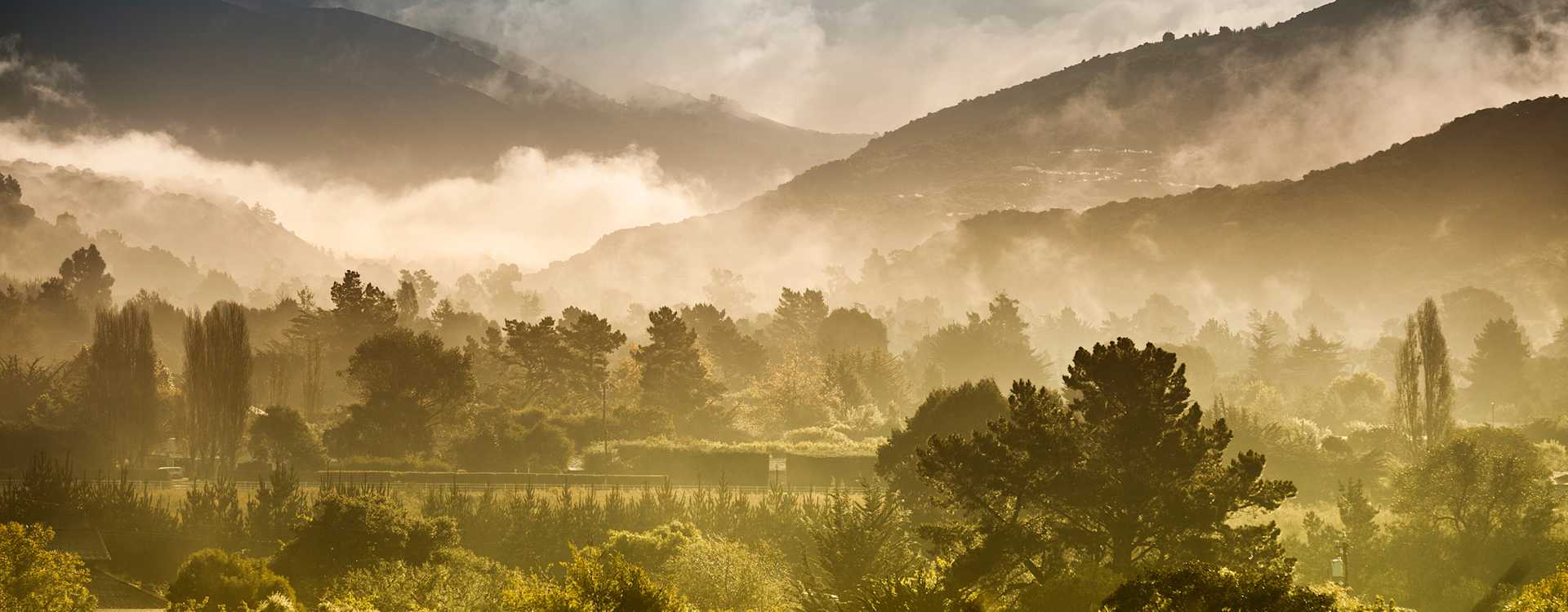
The largest and perhaps most varied of California’s wine-growing regions, the Central Coast produces a good majority of the state's wine. This vast California wine district stretches from San Francisco all the way to Santa Barbara along the coast, and reaches inland nearly all the way to the Central Valley.
Encompassing an extremely diverse array of climates, soil types and wine styles, it contains many smaller sub-AVAs, including San Francisco Bay, Monterey, the Santa Cruz Mountains, Paso Robles, Edna Valley, Santa Ynez Valley and Santa Maria Valley.
While the Central Coast California wine region could probably support almost any major grape varietiy, it is famous for a few Central Coast reds and whites. Pinot Noir, Chardonnay, Cabernet Sauvignon and Zinfandel are among the major ones. The Central Coast is home to many of the state's small, artisanal wineries crafting unique, high-quality wines, as well as larger producers also making exceptional wines.