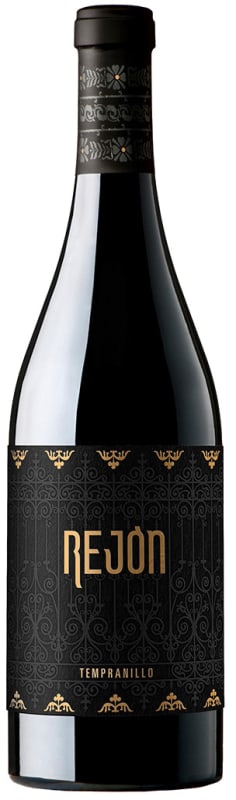


Winemaker Notes
Rejón is sourced entirely from the Rejón Tempranillo vineyard, planted in 1889, vines are over 130 years old, producing extremely low yields. The resulting limited production wine is opaque with vibrant aromas of blackberry, violet, star anise and cracked pepper. Weighty, dark berry flavors are complemented by smoky minerals. A rich, smooth tannin, leaving behind sweet berries and refreshing mineral notes.
This wine is ideal to pair with powerful stews, rice with meat game, grilled red meats, roasted lamb, pork and beef. Big game meat, spicy sausages and very cured cheeses.
Vegan-Friendly
Professional Ratings
-
Wine Spectator
A thick red, with concentrated flavors of baked currant, fig cake, espresso and anise framed by firm, plushly textured tannins and balsamico acidity. Supple on the finish, with savory hints of dried herbs, game and smoke. Best from 2027 through 2032.


Notoriously food-friendly, long-lasting and Spain’s most widely planted grape, Tempranillo is the star variety of red wines from Rioja and Ribera del Duero. The Rioja terms Joven, Crianza, Reserva and Gran Reserva indicate both barrel and bottle time before release. Traditionally blended in Rioja with Garnacha, plus a bit of Mazuelo (Carignan) and Graciano, the Tempranillo in Ribera del Duero typically stands alone. Somm Secret—Tempranillo claims many different names depending on location. In Penedès, it is called Ull de Llebre and in Valdepeñas, goes by Cencibel. Known as Tinta Roriz in Portugal, Tempranillo plays an important role in Port wine.

Campo de Borja DO sits in the northwest province of Zaragoza (Aragon, Spain) south of Rioja and north of Cariñena. Since this area acquired DO status in the 1980s, it has gradually shown its own unique identity. Campo de Borja’s winegrowing history and heritage is rich in relation to Garnacha; the oldest vineyards in the DO date back to 1890. Furthermore, of the almost 4,000 hectares of this variety, more than 2,000 are between 30 and 50 years old.
Most production continues to be reds, and the number of crianzas and reservas is growing. Though less common, they produce white wines as well. Today, both red and rosé wines have won the respect of experts, and the intensely fruity, young red wines enjoy significant commercial success. The principal white grape varieties are Macabeo, Moscatel, Chardonnay, Garnacha Blanca, Sauvignon Blanc and Verdejo. The principal red grape varieties include Garnacha Tinta, Tempranillo, Syrah, Mazuela, Cabernet Sauvignon and Merlot.