


Winemaker Notes
Pale straw green. Immediately appealing aromas of tropical fruits such as guava, green mango balanced by restrained nashi pear and yellow nectarine notes. The exotic fruit profile intermingles with Asian spices such as lemongrass and pickled Japanese ginger and white floral notes. The palate’s medium weight demonstrates a lightness and deft touch, with long acidity and acute fruit flavors. The mineral like acidity shines through with a saline and seashell freshness. An exuberant, modern expression of Rhone varieties.
Pair with spicy Asian seafood salads, charcuterie or pate de foie gras.
Professional Ratings
-
Robert Parker's Wine Advocate
The 2024 Cuvée Juveniles Blanc was released in August 2024, and the wine has almost sold out. Named after the wine bar for which it was created, in the 1st arrondissment in Paris, the wine is textural and clothy, with wet chalk, lemon pith, white flowers and brine. It's a lovely wine, quite savory and detailed, with good length. The balance of the 2024 season is evident in the glass and on the persistent finish. This is very good. 13% alcohol, sealed under screw cap.
-
James Suckling
Very fresh and vibrant, with aromas of honeydew melon, cut grass and green apples. The plate is medium-bodied with focused acidity, giving notes of orange blossoms, jasmine and white peaches. Nicely balanced, with a complexity that will evolve with time in bottle. Made from a blend of roussanne, marsanne, grenache blanc, clairette and viognier. Drink or hold. Screw cap.
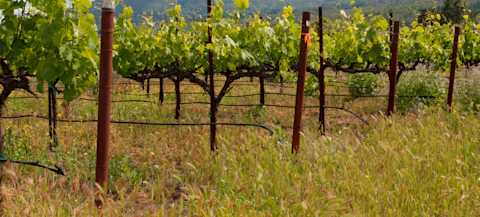
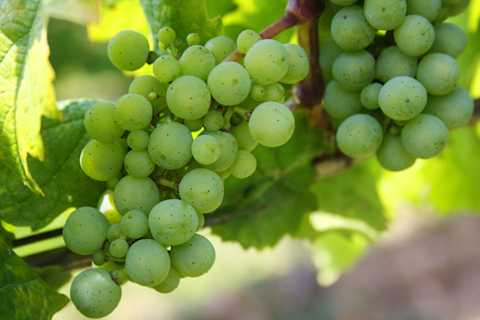
With hundreds of white grape varieties to choose from, winemakers have the freedom to create a virtually endless assortment of blended white wines. In many European regions, strict laws are in place determining the set of varieties that may be used in white wine blends, but in the New World, experimentation is permitted and encouraged. Blending can be utilized to enhance balance or create complexity, lending different layers of flavors and aromas. For example, a variety that creates a soft and full-bodied white wine blend, like Chardonnay, would do well combined with one that is more fragrant and naturally high in acidity. Sometimes small amounts of a particular variety are added to boost color or aromatics. Blending can take place before or after fermentation, with the latter, more popular option giving more control to the winemaker over the final qualities of the wine.
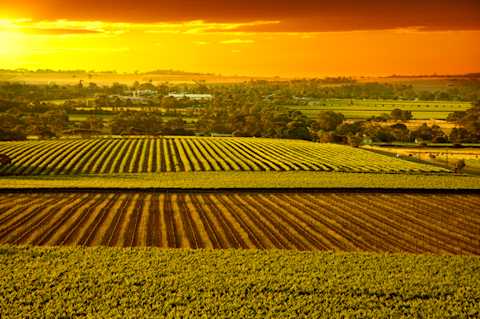
Historically and presently the most important wine-producing region of Australia, the Barossa Valley is set in the Barossa zone of South Australia, where more than half of the country’s wine is made. Because the climate is very hot and dry, vineyard managers work diligently to ensure grapes reach the perfect levels of phenolic ripeness.
The intense heat is ideal for plush, bold reds, particularly Shiraz on its own or Rhône Blends. Often Shiraz and Cabernet partner up for plump and powerful reds.
While much less prevalent, light-skinned varieties such as Riesling, Viognier or Semillon produce vibrant Barossa Valley whites.
Most of Australia’s largest wine producers are based here and Shiraz plantings date back as far as the 1850s or before. Many of them are dry farmed and bush trained, still offering less than one ton per acre of inky, intense, purple juice.