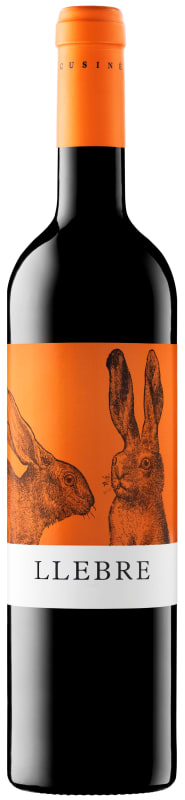


Winemaker Notes


With hundreds of red grape varieties to choose from, winemakers have the freedom to create a virtually endless assortment of blended red wines. In many European regions, strict laws are in place determining the set of varieties that may be used, but in the New World, experimentation is permitted and encouraged resulting in a wide variety of red wine styles. Blending can be utilized to enhance balance or create complexity, lending different layers of flavors and aromas. For example, a red wine blend variety that creates a fruity and full-bodied wine would do well combined with one that is naturally high in acidity and tannins. Sometimes small amounts of a particular variety are added to boost color or aromatics. Blending can take place before or after fermentation, with the latter, more popular option giving more control to the winemaker over the final qualities of the wine.
How to Serve Red Wine
A common piece of advice is to serve red wine at “room temperature,” but this suggestion is imprecise. After all, room temperature in January is likely to be quite different than in August, even considering the possible effect of central heating and air conditioning systems. The proper temperature to aim for is 55° F to 60° F for lighter-bodied reds and 60° F to 65° F for fuller-bodied wines.
How Long Does Red Wine Last?
Once opened and re-corked, a bottle stored in a cool, dark environment (like your fridge) will stay fresh and nicely drinkable for a day or two. There are products available that can extend that period by a couple of days. As for unopened bottles, optimal storage means keeping them on their sides in a moderately humid environment at about 57° F. Red wines stored in this manner will stay good – and possibly improve – for anywhere from one year to multiple decades. Assessing how long to hold on to a bottle is a complicated science. If you are planning long-term storage of your reds, seek the advice of a wine professional.

A wine region in Catalonia on the northeastern coast of Spain, Costers del Segre obtained DO status in 1986. Since then, the region has experienced many changes, including the addition of new international grape varieties alongside traditional native varieties, the adoption of modern California winemaking methods and the creation of sub-regions.
Both cooperative and private bodegas have incorporated these changes leading to a series of wines with great personal character and uniqueness. Some of them are considered among the most unusual in Spain, their styles based on thoughtful blending of local grapes with recently planted French varieties. And thanks to the climate and soil conditions, there is also plenty of potential for future development.
The principal white grape varieties of the region are Macabeo, Parellada, Xarel-lo, Chardonnay, Garnacha Blanca, Albariño, Riesling and Sauvignon Blanc. The principal red grape varieties include Garnacha Tinta, Ull de Llebre (Tempranillo), Monastrell, Trepat, Samsó, Cabernet Sauvignon, Merlot, Pinot Noir and Syrah.