
Winemaker Notes
Professional Ratings
-
Wine Enthusiast
Very lush and inviting on the nose, this top-shelf bottling by Frederick Delivert begins with aromas of softly poached Bing cherries, dark strawberry cream, hints of slate and well integrated oak. The palate is wrapped in perfectly chiseled tannins and crisp fresh acidity, offering lush red-fruit and baking-spice flavors.
-
Tasting Panel
Grown in California’s coolest AVA on the Edna Ranch estate property just 5 miles from the Pacific, this is Tolosa's flagship Pinot Noir. It’s an energetic smalllot expression that aged in French oak (22% new) for nine months. Following sumptuous aromas of wild strawberry, pomegranate, and cinnamon, luxury envelops the palate; acidity and bountiful notes of red fruit gain further complexity through leather, Italian herbs, and dark chocolate.
-
James Suckling
This has aromas of crushed red berries, lemon zest and dried earth. Hint of walnut husk. It’s medium-bodied with soft, elegant tannins. Wonderfully fresh and juicy with some earthy undertones. Drink or hold.


Thin-skinned, finicky and temperamental, Pinot Noir is also one of the most rewarding grapes to grow and remains a labor of love for some of the greatest vignerons in Burgundy. Fairly adaptable but highly reflective of the environment in which it is grown, Pinot Noir prefers a cool climate and requires low yields to achieve high quality. Outside of France, outstanding examples come from in Oregon, California and throughout specific locations in wine-producing world. Somm Secret—André Tchelistcheff, California’s most influential post-Prohibition winemaker decidedly stayed away from the grape, claiming “God made Cabernet. The Devil made Pinot Noir.”
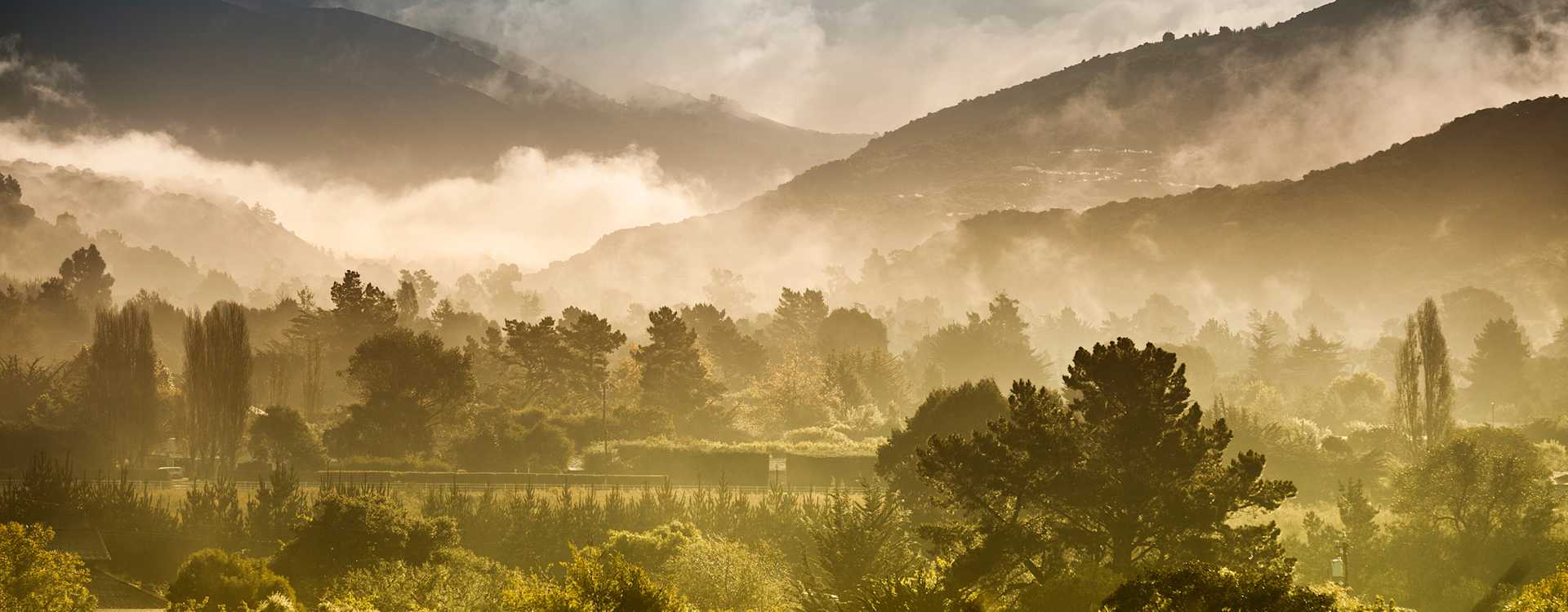
California’s coolest wine growing area, Edna Valley excels in the production of high quality Central Coast wines like Pinot noir, Chardonnay, Rhône Blends and aromatic white wines. It has a cool Mediterranean climate and an incredibly long growing season, giving late-ripening varieties plenty of opportunity to develop great phenolic complexity.
Its northwest to southeast orientation creates a direct path for cool Pacific air and fog to penetrate the valley from the Los Osos and Morro Bay area inwards. Low hillsides of both calcareous and volcanic soils are home to much of the vineyard acreage of the Edna Valley.