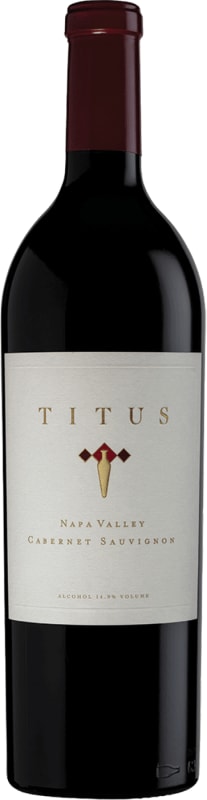


Winemaker Notes
The 2016 exhibits aromas of pomegranate, Bing Cherry, crushed flowers, sweet herbs, dried cranberries, and mocha. The delightful aromas follow through to the mouth-filling and concentrated palate with flavors of French plum, mission fig, fruit leather, cocoa powder, and espresso. The lush tannins and acid provide freshness and grace to the wine that makes it tasty and approachable. Enjoy now through 2026.
Blend: 85% Cabernet Sauvignon, 6.5% Petit Verdot, 5% Merlot, and 3.5% Malbec.
Professional Ratings
-
Jeb Dunnuck
The similarly colored 2016 Cabernet Sauvignon gives up more density and depth as well as meaty red and blue fruits, forest floor, and earth. It's layered, has terrific purity of fruit, a supple texture, and the purity of the vintage. Drink it over the coming decade or so.
-
James Suckling
Some quite meaty and spicy oak aromas here with a wealth of ripe mixed berries. The palate has a very smoothly arranged feel with toasty oak threaded through ripe, plush and soft berries. A blend of 85 per cent cabernet sauvignon with petit verdot, merlot and malbec. Let the oak settle. Try from 2020.
-
Robert Parker's Wine Advocate
Blended of 85% Cabernet Sauvignon, 6.5% Petit Verdot, 5% Merlot and 3.5% Malbec, the deep garnet-purple colored 2016 Cabernet Sauvignon is a little closed, revealing subtle suggestions of crushed blackcurrants, blackberries and warm black plums with touches of cigar box, dried Provence herbs and underbrush. Full-bodied and packed with firmly textured, muscular fruit, it has a restrained, earthy character and pleasant herbal sparks lifting the finish.
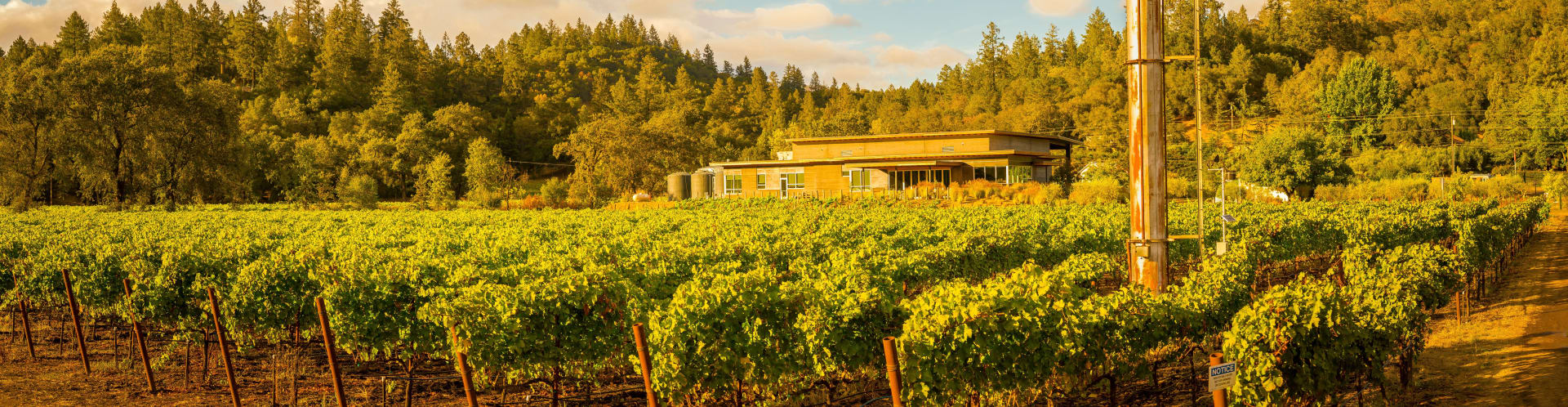


The documented history of the property extends back to 1841 and includes General Mariano Vallejo, Dr. Edward Bale, Charles Krug, and Eli York, just to name a few. The land has been continuously farmed for over 150 years, with the Titus family's first harvest in 1969. Dr. Lee Titus, a Radiologist, practicing in Sonoma at the time, purchased the land in 1968 and soon after, took over farming the vineyard. The evolution of wine production in Napa was moving towards those varietals - Cabernet Sauvignon, Merlot - and to further emulate the Bordeaux region, Lee oversaw planting all five of the classic varietals as the old vineyards were being replanted. And so, Titus Vineyards began; bringing together the traditional grapes of Bordeaux in a New World site marked the beginning of the family wine venture.
Dr. Titus and his family came to California from Minnesota during the Great Depression. After graduating from Fresno State and serving in World War II, Lee attended medical school and became a radiologist. Meanwhile, Ruth Traverso was growing up in San Francisco's North Beach, where her parents, immigrants from the Piemonte region of Italy, were involved in the family's bakery business. During family vacations in Calistoga, Ruth helped friends harvest their grapes, giving her a love for Napa Valley and a kinship with grape farming.
Years later, having fallen in love, married and settled in the town of Sonoma with their four sons, Lee and Ruth began acquiring fifty acres in three separate parcels just north of St. Helena on the valley floor. Life in 1960's Napa Valley was much simpler than it is today. California's wine industry had yet to achieve its enormous potential, and the land was still affordable for the right purchaser. The vineyard Lee and Ruth Titus acquired in 1968 were originally planted to long-forgotten varietals like Mondeuce, Burger, and Golden Chasselas; alongside were well-known varietals like Pinot Noir, which was poorly suited to the warm, up-valley microclimate. The vineyard needed a change.
In 1972 the Titus' were able to acquire another small, 10-acre vineyard on Ehlers Lane just a half-mile north of their Ranch vineyard. Replanted to Cabernet Sauvignon and Petite Verdot on dense, rocky volcanic soils, the vines of the Ehlers Estate Vineyard yield a different expression of Cabernet fruit. Eventually, the brothers were able to produce two distinctly different Cabernets from their Ranch and Ehlers Estate vineyards.
It would be more than twenty years before their sons crushed fruit for the production of the first Titus Vineyards wines in 1990. Although they hoped to one day build a family operated winery, Lee and Ruth spent those interim years raising their sons and growing grapes for other wineries, including Charles Krug, Beaulieu Vineyards, Cuvaison, Quail Ridge, and Pine Ridge. Ultimately, they left the creation of Titus Vineyards wines up to their sons: Phillip now works as Director of Winemaking for Titus Vineyards, while Eric manages the winery and vineyards

One of the most prestigious wines of the world capable of great power and grace, Napa Valley Cabernet is a leading force in the world of fine, famous, collectible red wine. Today the Napa Valley and Cabernet Sauvignon are so intrinsically linked that it is difficult to discuss one without the other. But it wasn’t until the 1970s that this marriage came to light; sudden international recognition rained upon Napa with the victory of the Stag’s Leap Wine Cellars 1973 Cabernet Sauvignon in the 1976 Judgement of Paris.
Cabernet Sauvignon undoubtedly dominates Napa Valley today, covering half of the land under vine, commanding the highest prices per ton and earning the most critical acclaim. Cabernet Sauvignon’s structure, acidity, capacity to thrive in multiple environs and ability to express nuances of vintage make it perfect for Napa Valley where incredible soil and geographical diversity are found and the climate is perfect for grape growing. Within the Napa Valley lie many smaller sub-AVAs that express specific characteristics based on situation, slope and soil—as a perfect example, Rutherford’s famous dust or Stags Leap District's tart cherry flavors.