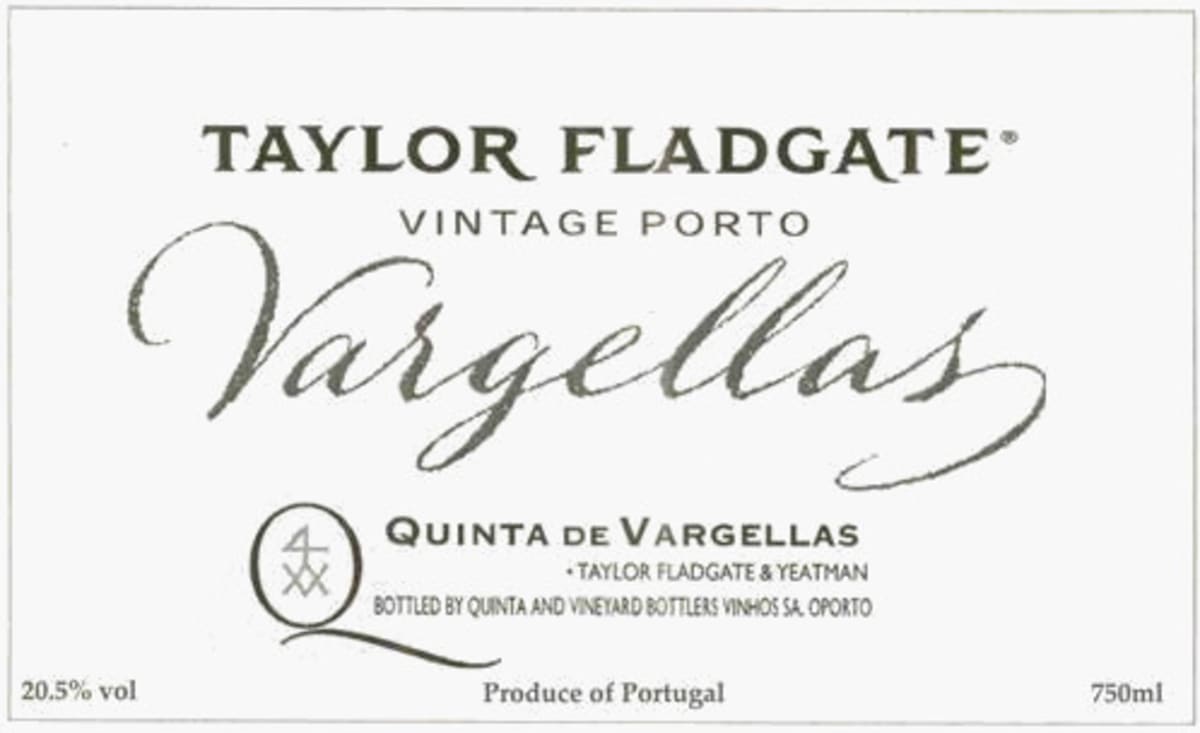

Winemaker Notes
Professional Ratings
-
Robert Parker's Wine Advocate
The 1995 Quinta de Vargellas Vinha Velha Vintage Port is a typical field blend aged in used French oak vats. It comes in with 93 grams per liter of residual sugar. This was the debut vintage of the Vinha Velha, and it leads off the vertical this issue. Drinking perfectly now, this has chocolate and caramel, seeming very much like a gentle, mature and harmonious Port, but it has neither profound complexity nor a lot of power. It is, however, sensual and appealing, wonderful to drink now. It likely won't get better at this point, but I was pleased to see it expand in the glass and improve even by my last taste. I'd want to drink this now, personally. Adrian Bridge suggested it had reached its mature plateau, and I agree. It will hold on that plateau reasonably well, perhaps longer than anticipated, depending on how you like them. Of course, most wines, especially Ports, don't fall off the table. It has plenty of life left in a literal sense. When it declines, the decline will be slow and long.


Port is a sweet, fortified wine with numerous styles: Ruby, Tawny, Vintage, Late Bottled Vintage (LBV), White, Colheita, and a few unusual others. It is blended from from the most important red grapes of the Douro Valley, based primarily on Touriga Nacional with over 80 other varieties approved for use. Most Ports are best served slightly chilled at around 55-65°F. To learn more, see our full Port Wine Guide

Best known for intense, impressive and age-worthy fortified wines, Portugal relies almost exclusively on its many indigenous grape varieties. Bordering Spain to its north and east, and the Atlantic Ocean on its west and south coasts, this is a land where tradition reigns supreme, due to its relative geographical and, for much of the 20th century, political isolation. A long and narrow but small country, Portugal claims considerable diversity in climate and wine styles, with milder weather in the north and significantly more rainfall near the coast.
While Port (named after its city of Oporto on the Atlantic Coast at the end of the Douro Valley), made Portugal famous, Portugal is also an excellent source of dry red and white Portuguese wines of various styles.
The Douro Valley produces full-bodied and concentrated dry red Portuguese wines made from the same set of grape varieties used for Port, which include Touriga Nacional, Tinta Roriz (Spain’s Tempranillo), Touriga Franca, Tinta Barroca and Tinto Cão, among a long list of others in minor proportions.
Other dry Portuguese wines include the tart, slightly effervescent Vinho Verde white wine, made in the north, and the bright, elegant reds and whites of the Dão as well as the bold, and fruit-driven reds and whites of the southern, Alentejo.
The nation’s other important fortified wine, Madeira, is produced on the eponymous island off the North African coast.