


Winemaker Notes
Aromas of cranberry, delicate oak, and raspberry on the nose complement a flavor profile of Rainier cherry, juicy raspberry, and smoke. With moderate acidity and fresh red fruits on the finish, this wine is approachable and widely appealing.
Professional Ratings
-
Wine Enthusiast
There's an expert level of restraint on the nose of this bottling, with aromas of rose hips, fennel, damp soil and strawberry. There's a great herbal display on the palate, with marjoram and tarragon accents, as well as crisp and deliciously tart flavors of plum skin and red currant.
-
Jeb Dunnuck
From some great sites, the 2018 Pinot Noir Estate is all varietal, aged 14 months in 30% new French oak and bottled without filtration. More raspberries, toasted spice, forest, and floral notes emerge from the glass. It's medium-bodied, elegant, and lively on the palate, with good depth and moderate length.


Thin-skinned, finicky and temperamental, Pinot Noir is also one of the most rewarding grapes to grow and remains a labor of love for some of the greatest vignerons in Burgundy. Fairly adaptable but highly reflective of the environment in which it is grown, Pinot Noir prefers a cool climate and requires low yields to achieve high quality. Outside of France, outstanding examples come from in Oregon, California and throughout specific locations in wine-producing world. Somm Secret—André Tchelistcheff, California’s most influential post-Prohibition winemaker decidedly stayed away from the grape, claiming “God made Cabernet. The Devil made Pinot Noir.”
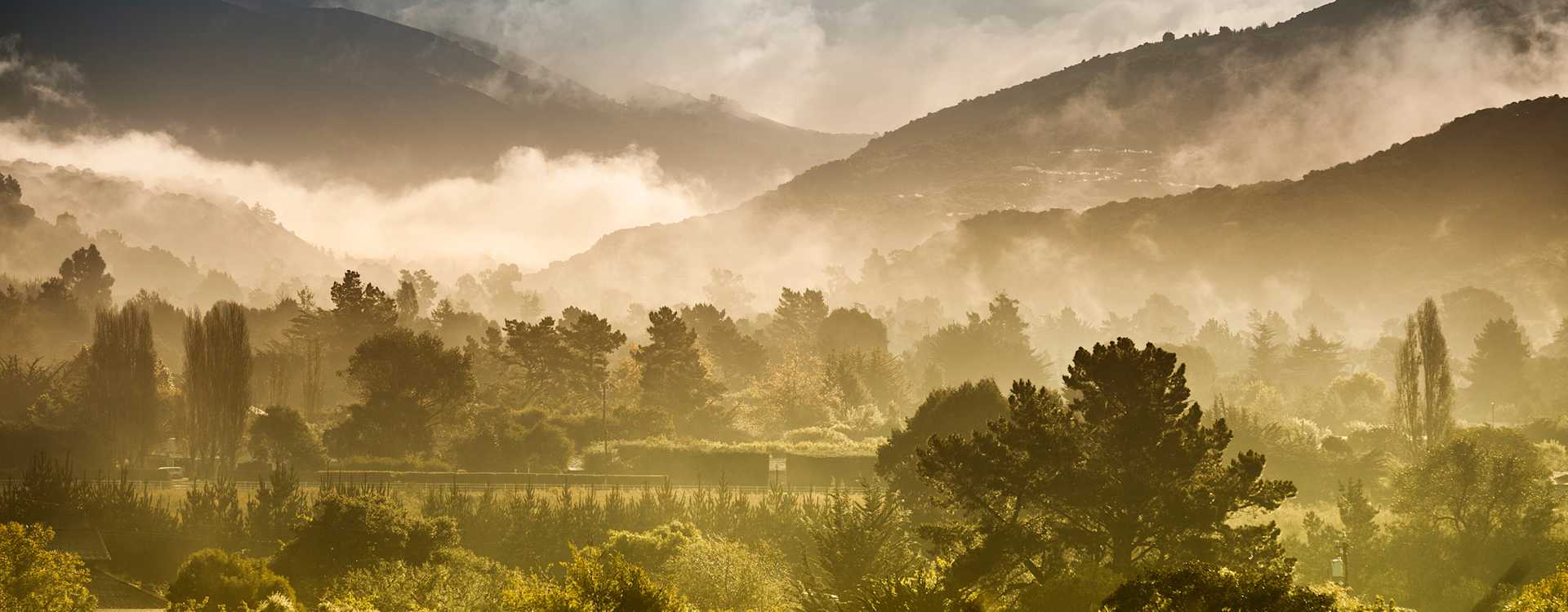
One of the coolest growing areas in California, the Arroyo Grande Valley runs from the southwest to the northeast, just a few miles from the Pacific Ocean and is part of the Central Coast AVA. Situated so that cold Pacific Ocean air and fog is allowed to filter into the valley, Arroyo Grande also has an incredibly long growing season. Bud break occurs in February in most years with flowering in May and harvest in late September; the area is classified as cool Mediterranean.
These weather factors combined with the soil types—continental and marine rocks, greywacke, limestone, shale and volcanic—create wines with great concentration and fresh acidity. The cooler end of the valley is perfect for Chardonnay, Pinot Noir, and is a good producer of sparkling wines. The warmer, more inland part of the valley is home to some of California’s oldest Zinfandel vines.