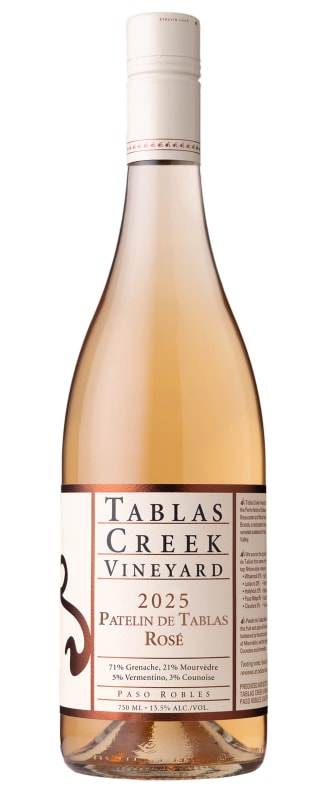


Winemaker Notes
A pretty pale peach color. On the nose, expansive aromatics of nectarine, orange blossom, pink grapefruit and chalky minerals. The mouth is juicy up front, with flavors of apricot and strawberry, brightening in the mid-palate to yellow plum and lemon drop. The wine has great tension, with a mouth-watering line of acidity lingering through the long, strawberry and watermelon-laced finish.
Blend: 71% Grenache, 21% Mourvèdre, 5% Vermentino, 3% Counoise
Professional Ratings
-
James Suckling
Aromas of rose water, watermelon rind, white strawberries and fresh basil. Light- to medium-bodied with a pleasing balance of mid-palate texture and fresh acidity. A solid and super drinkable rosé. From organically grown grapes.
-
Vinous
Dusty dried flowers and crushed stone combine with dried strawberries and nuances of citrus as the 2025 Patelin de Tablas Rosé evolves in the glass. It splashes across the palate with ease, soft and round, with a tension-building mix of minerals and spice complicating its ripe orchard fruits. The 2024 leaves the palate completely refreshed while tapering off with outstanding length and leaving a cascade of inner florals to linger.
-
Wine Enthusiast
A yellowish hue of pink in the glass, this seven-vineyard rosé blend of 71% Grenache, 21% Mourvèdre, 5% Vermentino and 3% Counoise offers wet stone, cantaloupe rind, and orange blossom aromas on the nose. The palate is very grippy, framing chilled melon, Meyer lemon, and orange peel flavors.
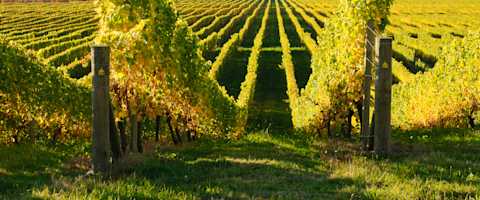

Whether it’s playful and fun or savory and serious, most rosé today is not your grandmother’s White Zinfandel, though that category remains strong. Pink wine has recently become quite trendy, and this time around it’s commonly quite dry. Since the pigment in red wines comes from keeping fermenting juice in contact with the grape skins for an extended period, it follows that a pink wine can be made using just a brief period of skin contact—usually just a couple of days. The resulting color depends on grape variety and winemaking style, ranging from pale salmon to deep magenta.
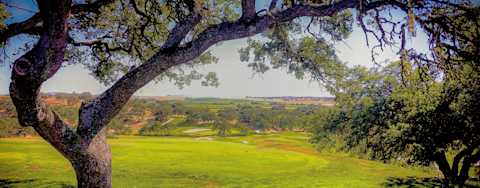
Paso Robles has made a name for itself as a source of supple, powerful, fruit-driven Central Coast wines. But with eleven smaller sub-AVAs, there is actually quite a bit of diversity to be found in this inland portion of California’s Central Coast.
Just east over the Santa Lucia Mountains from the chilly Pacific Ocean, lie the coolest in the region: Adelaida, Templeton Gap and (Paso Robles) Willow Creek Districts, as well as York Mountain AVA and Santa Margarita Ranch. These all experience more ocean fog, wind and precipitation compared to the rest of the Paso sub-appellations. The San Miguel, (Paso Robles) Estrella, (Paso Robles) Geneso, (Paso Robles) Highlands, El Pomar and Creston Districts, along with San Juan Creek, are the hotter, more western appellations of the greater Paso Robles AVA.
This is mostly red wine country, with Cabernet Sauvignon and Zinfandel standing out as the star performers. Other popular varieties include Merlot, Petite Sirah, Petit Verdot, Syrah, Grenache and Rhône blends, both red and white. There is a fairly uniform tendency here towards wines that are unapologetically bold and opulently fruit-driven, albeit with a surprising amount of acidity thanks to the region’s chilly nighttime temperatures.