

Winemaker Notes
Professional Ratings
-
James Suckling
Aromas of blueberries, blackberries and slate follow through to a full body, ultra-fine tannins and a focused and pure finish. Better in 2019.
-
Robert Parker's Wine Advocate
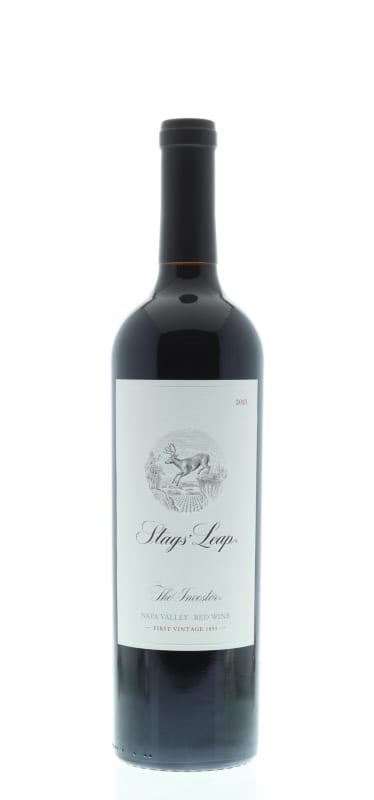
A blend of 38% Merlot, 32% Petite Sirah, 18% Cabernet Sauvignon and 12% Malbec aged in a combination of French and American oak for 16 months, the 2013 Proprietary Red The Investor is an intriguing combination of grapes. Stags’ Leap winemaker Christophe Paubert (from Bordeaux) has produced an opaque purple wine with notes of blackcurrants, blueberry, white flowers, a full-bodied constitution, impressive purity and moderate tannins in the finish. It needs several years of bottle age and should drink well for 15 or more years.



A fashionable country resort in the mid-twentieth century, popular with Hollywood due to its 1892 stone Manor House and historic gardens, legends of bootleggers and gangsters, ghosts and gypsies, Stags' Leap has been home to three major family groups up through the modern revitalization of the winery that began in the 1970s.
Stags Leap Manor, as it was called in the 1920s, was known as one of the prominent country retreats in the Napa Valley at a time when resort and spa business was big. In addition to lodging and dining, amenities included lawn tennis, swimming, horseback riding, children's activities, golf, music, cards, a library, and Napa Valley wines and liquors (prior to and after Prohibition).
An intimate valley within the greater Napa Valley, Stags Leap is a place of natural beauty, storied buildings and gardens, a lively history, and a reputation for elegant wines showing finesse and intensity.

Undoubtedly proving its merit over and over, Napa Valley is a now a leading force in the world of prestigious red wine regions. Though Cabernet Sauvignon dominates Napa Valley, other red varieties certainly thrive here. Important but often overlooked include Merlot and other Bordeaux varieties well-regarded on their own as well as for their blending capacities. Very old vine Zinfandel represents an important historical stronghold for the region and Pinot noir is produced in the cooler southern parts, close to the San Pablo Bay.
Perfectly situated running north to south, the valley acts as a corridor, pulling cool, moist air up from the San Pablo Bay in the evenings during the hot days of the growing season, which leads to even and slow grape ripening. Furthermore the valley claims over 100 soil variations including layers of volcanic, gravel, sand and silt—a combination excellent for world-class red wine production.