
Winemaker Notes
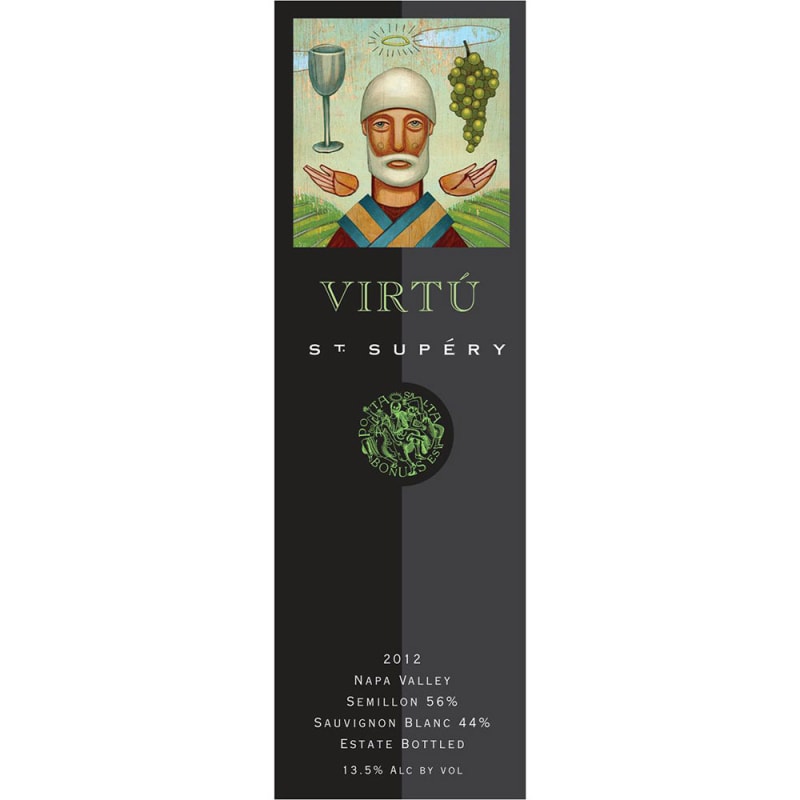
Blend: 56% Semillon, 44% Sauvignon Blanc
Professional Ratings
-
Robert Parker's Wine Advocate
Drinking the 2012 Proprietary White Virtu (56% Semillon and 44% Sauvignon Blanc) is like sipping a fig, lime and honeyed grapefruit cocktail. Intense flavors, crisp acidity and impressive purity make for a delectable, mid-weight, dry white to enjoy over the next several years.
-
Wine Enthusiast
Virtú is the winery’s white blend, this vintage partnering 56% Sémillon with 44% Sauvignon Blanc. The combination is explosive, briny and flowery in the best ways, a taste of apple and fresh-squeezed lime vibrant on the palate, followed by savory herb and a nuanced taste of toasty oak. The aroma conveys a sense of fresh salt air.





St. Supéry Estate Vineyards and Winery is a 100% Estate Grown, sustainably farmed winery located in the renowned Rutherford growing region in the heart of Napa Valley. The winery combines French chateau estate tradition with Napa Valley terroir and a focus on Sauvignon Blanc, Cabernet Sauvignon and other red Bordeaux varieties.
Committed to producing the highest quality estate wines without compromise, St. Supéry Estate Winery and Vineyards is proud to be certified Napa Green Land and Napa Green Winery. With St. Supéry’s reputation based on its valuable Napa Valley properties, a primary goal is to support biodiversity and sustainability while continuing the founding vision of a Napa Valley chateau for generations to come. St. Supéry Estate Vineyards and Winery was founded in 1982. After a decade of researching properties with the advice from Napa Valley’s most respected vintners, the founding family purchased Dollarhide Ranch, over 1,530 acres of unplanted land high in the northeastern mountains which today is the source of St. Supéry’s distinctive estate Sauvignon Blanc and Cabernet Sauvignon wines. The diversity of Dollarhide’s terroir contributes to the successful farming of red and white Bordeaux varieties.
The winery in Rutherford is home to winemaking, visitor facilities, and 35 acres planted to Cabernet Sauvignon, Merlot, Cabernet Franc and Petit Verdot. All the estate acreage owned by St. Supéry is farmed sustainably using minimal intervention and cultivation. In addition to being recognized for award winning wines, St. Supéry Estate Vineyards and Winery champions wine education and exploration, offering a series of interactive wine experiences designed for all levels of wine enthusiasts.

Sometimes light and crisp, other times rich and creamy, Bordeaux White Blends typically consist of Sauvignon Blanc and Semillon. Often, a small amount of Muscadelle or Sauvignon Gris is included for added intrigue. Popularized in Bordeaux, the blend is often mimicked throughout the New World. Somm Secret—Sauternes and Barsac are usually reserved for dessert, but they can be served before, during or after a meal. Try these sweet wines as an aperitif with jamón ibérico, oysters with a spicy mignonette or during dinner alongside hearty Alsatian sausage.

One of the world's most highly regarded regions for wine production as well as tourism, the Napa Valley was responsible for bringing worldwide recognition to California winemaking. In the 1960s, a few key wine families settled the area and hedged their bets on the valley's world-class winemaking potential—and they were right.
The Napa wine industry really took off in the 1980s, when producers scooped up vineyard lands and planted vines throughout the county. A number of wineries emerged, and today Napa is home to hundreds of producers ranging from boutique to corporate. Cabernet Sauvignon is definitely the grape of choice here, with many winemakers also focusing on Bordeaux blends. White wines from Napa Valley are usually Chardonnay and Sauvignon Blanc.
Within the Napa Valley lie many smaller sub-AVAs that claim specific wine characteristics based on situation, slope and soil. Farthest south and coolest from the influence of the San Pablo Bay is Carneros, followed by Coombsville to its northeast and then Yountville, Oakville and Rutherford. Above those are the warm St. Helena and the valley's newest and hottest AVA, Calistoga. These areas follow the valley floor and are known generally for creating rich, dense, complex and smooth red wines with good aging potential. The mountain sub appellations, nestled on the slopes overlooking the valley AVAs, include Stags Leap District, Atlas Peak, Chiles Valley (farther east), Howell Mountain, Mt. Veeder, Spring Mountain District and Diamond Mountain District. Napa Valley wines from the mountain regions are often more structured and firm, benefiting from a lot of time in the bottle to evolve and soften.