

Winemaker Notes
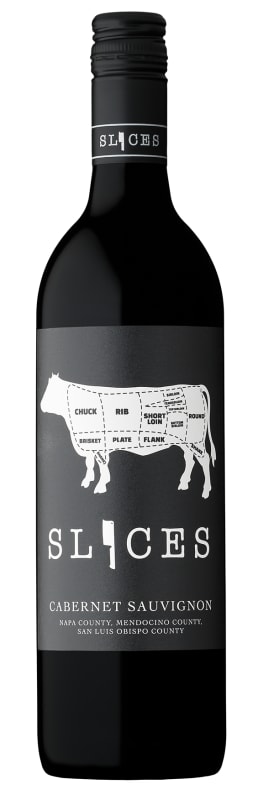
Inviting aromas of strawberry and currant, with subtle floral notes of anise, lead to a harmonious blend of black cherry, brambly blackberry, and spicy accents of Mexican chocolate and allspice. Smooth tannins and balanced acidity contribute to a well-rounded mouthfeel that culminates in a satisfying finish, offering a harmonious blend of fruit and spice.
Blend: 98% Cabernet Sauvignon, 2% Petite Verdot
Professional Ratings
-
Wine Enthusiast
This concentrated wine has aromas of blackberry jam, blueberry compote, molasses, dried herbs and toasted oak on the nose. The flavors on the palate are black plum, raspberry, nutmeg, chocolate shavings and orange peel, with a dry, supple finish.


Covering the most vine acreage in the state compared to any other red wine variety, Cabernet Sauvignon produces as much wine in California as Merlot and Pinot Noir combined. The state’s diverse terrain and microclimates, as well as the freedom of its winemakers, allow for an incredible range of wine styles from this single grape.
California’s most famous region—and especially for Cabernet Sauvignon—is the acclaimed Napa Valley. While Cabernet is successful throughout the world, rarely has it achieved such merit as it does from the Napa Valley. At this point the two are so intrinsically linked that it is difficult to discuss one without the other.
Napa’s closest neighbor, Sonoma County, does an impressive job keeping up with Napa’s fame and glory. Alexander Valley, Sonoma Mountain, Moon Mountain and Knights Valley contribute to the lot of some of California’s top-rated Cabernet Sauvignon.
Lake County in California’s North Coast has become a focus for some of Napa’s more respected growers. From the Central Coast come iconic examples of classic California Cabernet; Lodi and the Sierra Foothills are great budget-friendly sources of amicable Cabernets.