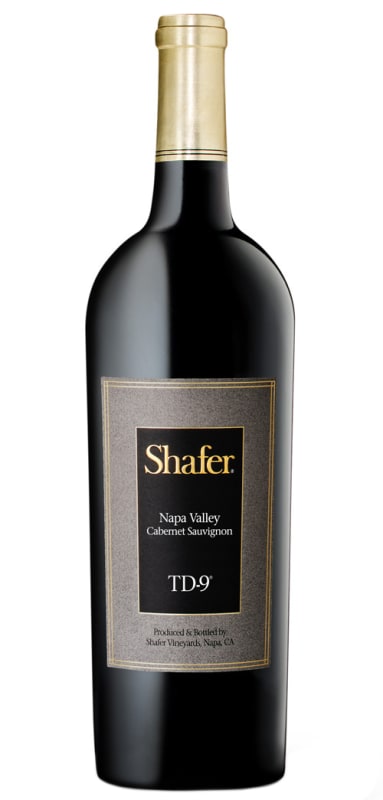


Winemaker Notes
In its first vintage as a Cabernet Sauvignon, TD-9 fills the glass with irresistible aromas and flavors of fresh black cherries, black currant, red plum, thyme, rose petal, and cocoa. Lush and mouth-filling, this 2021 offers the kind of complexity and structure that ensures many years of enjoyment ahead.
Blend: 76% Cabernet Sauvignon, 11% Merlot, 10% Petit Verdot, 3% Malbec
Professional Ratings
-
Wine Enthusiast
This TD-9 Cabernet Sauvignon, not to be confused with other TD-9 red wines, shows an amazing clarity of dark fruit. Its deep black cherries, blackberries and touches of black olive embody classic Cabernet. Beautifully integrated tannins lend a posh texture that’s still bracing enough to help the wine age and improve. Best from 2026–2036.
-
Jeb Dunnuck
The first vintage where they've put Cabernet Sauvignon on the label, the 2021 Cabernet Sauvignon TD-9 is 76% Cabernet Sauvignon, 11% Merlot, 10% Petit Verdot, and the rest Malbec, raised all in new barrels. Medium ruby/purple-hued, it has a killer nose of caramelized red and black fruits as well as lead pencil, dried flowers, and toasty oak. It's balanced, medium to full-bodied, and just about impossible to resist. There are roughly 10,000 cases produced, and it's a wine readers will love over the coming decade.
-
James Suckling
Dried cherries, blackcurrants, chocolate, sweet licorice, anisette and hints of moist earth on the nose. Medium- to full-bodied, refined and velvety with a softer, powdery tannin structure. Attractive core of ripe black fruit with a lingering finish.
-
Wine Spectator
Bright and juicy, with a fun burst of blackberry and boysenberry fruit laced with hints of sweet bay leaf, violet, singed apple wood and licorice root. Good brambly energy runs underneath, giving this a vibrant feel as well as ample structure for the cellar. Best from 2025 through 2038.
-
Robert Parker's Wine Advocate
Shafer's TD-9 is now a Cabernet Sauvignon-based wine, with the 2021 Cabernet Sauvignon TD-9 being composed of 76% Cabernet Sauvignon, 11% Merlot, 10% Petit Verdot and 3% Malbec. Offering up scents of cherries, wood spice and vanilla, it may lack a bit of complexity and concentration, but this full-bodied effort still hits all the right notes, finishing long and velvety.



Shafer Vineyards has produced classic Napa Valley wines for more than 40 years.
Shafer’s wines, including its signature Cabernet Sauvignon, Hillside Select, are found in collectors’ cellars and on wine lists in top luxury hotels and restaurants throughout the world.
The vineyard and cellar teams, led by winemaker Elias Fernandez, cultivate more than 200 acres of Shafer-owned vineyards, sources for the winery's celebrated Red Shoulder Ranch Chardonnay, TD-9, One Point Five, Relentless, and Hillside Select.
The winery has a decades-long commitment to sustainability. Beginning in the 1980s Shafer embraced farming techniques that eliminate insecticides and herbicides, and carefully conserve water resources. In 2004 Shafer became the first winery in the U.S. to go 100% solar.

One of the most prestigious wines of the world capable of great power and grace, Napa Valley Cabernet is a leading force in the world of fine, famous, collectible red wine. Today the Napa Valley and Cabernet Sauvignon are so intrinsically linked that it is difficult to discuss one without the other. But it wasn’t until the 1970s that this marriage came to light; sudden international recognition rained upon Napa with the victory of the Stag’s Leap Wine Cellars 1973 Cabernet Sauvignon in the 1976 Judgement of Paris.
Cabernet Sauvignon undoubtedly dominates Napa Valley today, covering half of the land under vine, commanding the highest prices per ton and earning the most critical acclaim. Cabernet Sauvignon’s structure, acidity, capacity to thrive in multiple environs and ability to express nuances of vintage make it perfect for Napa Valley where incredible soil and geographical diversity are found and the climate is perfect for grape growing. Within the Napa Valley lie many smaller sub-AVAs that express specific characteristics based on situation, slope and soil—as a perfect example, Rutherford’s famous dust or Stags Leap District's tart cherry flavors.