Winemaker Notes
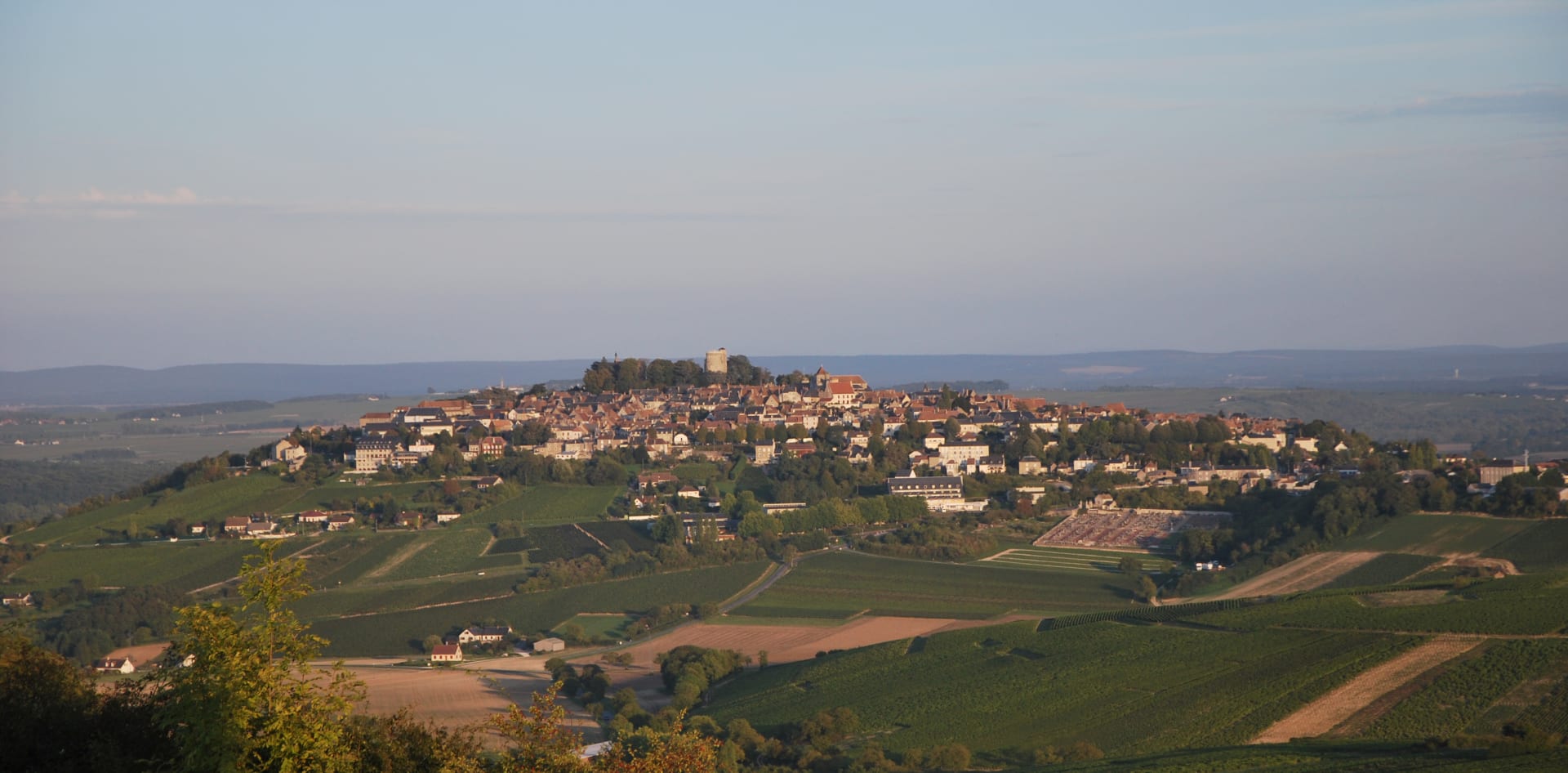


If ever a river and the surrounding landscapes encapsulated the French national identity and lifestyle, it would surely be the Loire and the wine regions that line it. Stretching from one side of the country to the other, the river of kings has been the homeland of our family for nine generations. Originally from Pouilly-sur-Loire, we decided over twenty years ago to head off in search of other treasures that our beautiful wine region could offer. Over the years, our quest led us along both banks of the river, reaching out to local winegrowers and terroirs. We invite you to discover the gems we found on our journey and hope to share with you our passion for one of France's finest wine regions.
Saget La Perrière signature brands epitomize the hallmark accessibility and freshness of Loire wines. Our wines embrace a unique showcase range of Loire appellations; from its original home in Pouilly sur Loire to Sancerre, Chinon, Vouvray, Anjou & Muscadet forming an unprecedented collection across the Loire Valley.
Stretching from one side of the country to the other, the river of kings has been the homeland of our family for nine generations. Originally from Pouilly-Sur-Loire, we decided over twenty years ago to head off in search of other treasures that our beautiful wine region could offer, over the years, our quest led us along both banks of the river, reaching out to local winegrowers and terroirs. With 890 acres of vines located in the finest appellations, six estates and long-term relations with families of vine growers, Saget la Perrière, not only has extensive vineyards, but also creates and blends a wide range of wines from the Loire Valley.

With hundreds of red grape varieties to choose from, winemakers have the freedom to create a virtually endless assortment of blended red wines. In many European regions, strict laws are in place determining the set of varieties that may be used, but in the New World, experimentation is permitted and encouraged resulting in a wide variety of red wine styles. Blending can be utilized to enhance balance or create complexity, lending different layers of flavors and aromas. For example, a red wine blend variety that creates a fruity and full-bodied wine would do well combined with one that is naturally high in acidity and tannins. Sometimes small amounts of a particular variety are added to boost color or aromatics. Blending can take place before or after fermentation, with the latter, more popular option giving more control to the winemaker over the final qualities of the wine.
How to Serve Red Wine
A common piece of advice is to serve red wine at “room temperature,” but this suggestion is imprecise. After all, room temperature in January is likely to be quite different than in August, even considering the possible effect of central heating and air conditioning systems. The proper temperature to aim for is 55° F to 60° F for lighter-bodied reds and 60° F to 65° F for fuller-bodied wines.
How Long Does Red Wine Last?
Once opened and re-corked, a bottle stored in a cool, dark environment (like your fridge) will stay fresh and nicely drinkable for a day or two. There are products available that can extend that period by a couple of days. As for unopened bottles, optimal storage means keeping them on their sides in a moderately humid environment at about 57° F. Red wines stored in this manner will stay good – and possibly improve – for anywhere from one year to multiple decades. Assessing how long to hold on to a bottle is a complicated science. If you are planning long-term storage of your reds, seek the advice of a wine professional.
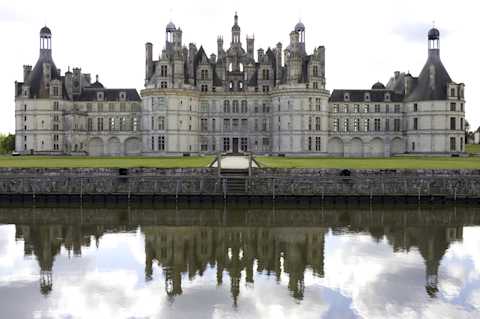
An important red wine appellation in the Touraine district of the Loire, Chinon produces fanciful, light-bodied reds from the Cabernet Franc grape. Chinon also makes charming rosés from the same grape as well as white wines from Chenin blanc. But the reds give the area its fame. Often scented with fresh herbs, black tea and violets, Chinon reds show a lovely combination of fruit and acidity. However, styles have become more concentrated and ripe in recent years from improvements in vineyard management. Modern methods include planting grass between vineyard rows, using higher trellises and deleafing to increase sunlight to berries and therefore improve ripening. Even still, red Chinon is intended to be a light to medium bodied, refreshing wine to be enjoyed in its youth.
Fuller-bodied Chinons come from vineyard sites on the clay and tuffeau limestone slopes, usually from the southern exposed slopes of Cravant-les-Coteaux, and the plateau above Beaumont. Lighter styled wines come from the sand and gravel vineyards near the Loire or Vienne Rivers with the most refined examples coming from the area around Panzoult