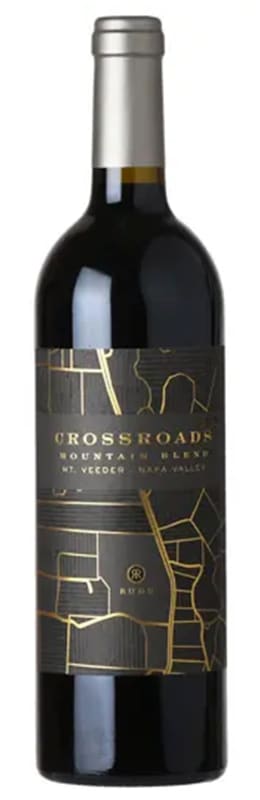


Winemaker Notes
Professional Ratings
-
James Suckling
A deep, dark and generous wine that's the least expensive of the Rudd Oakville Estate reds. It's polished, full-bodied and complex, offering aromas of blackcurrants, graphite, star anise and dark chocolate. Moderate tannins fill out the palate, framing more dark fruit, subtle oak spices and light toasty flavors. Mostly cabernet sauvignion, with 13% cabernet franc, 6% petit verdot and 4% malbec. From organically grown grapes.
-
Wine Spectator
Not just blowsy and up-front, this sports good, honest richness, with sparkles of anise and sweet bay adding energy to a core of plum and blackberry compote. There’s even a slightly racy edge thanks to the iron-tilted structure that runs underneath the apple wood–accented finish. Cabernet Sauvignon, Merlot, Cabernet Franc, Petit Verdot and Malbec. Drink now through 2032.


One of the world’s most classic and popular styles of red wine, Bordeaux-inspired blends have spread from their homeland in France to nearly every corner of the New World. Typically based on either Cabernet Sauvignon or Merlot and supported by Cabernet Franc, Malbec and Petit Verdot, the best of these are densely hued, fragrant, full of fruit and boast a structure that begs for cellar time. Somm Secret—Blends from Bordeaux are generally earthier compared to those from the New World, which tend to be fruit-dominant.

Centered at the peak for which it is named, Mount Veeder is Napa’s largest sub-AVA. But even though the entire appellation spreads over 16,000 acres, vineyards cover a mere 1,000. Scattered among Douglas firs and bristlecone pines, Mount Veeder vineyards extend south from the upper elevations of the Mayacamas Mountains—the highest point at 2,400 feet—to the border of the Carneros region. Less than 25 wineries produce wine from Mount Veeder fruit.
Winemaking began early in this appellation. In 1864, Captain Stelham Wing presented the first Mount Veeder wine to the Napa County Fair; it came from today’s Wing Canyon Vineyard. Prohibition, of course, halted winemaking and viticulture wasn’t revitalized until the founding of Mayacamas Vineyards in 1951 and Bernstein Vineyards in 1964.
The Bernstein Vineyards was actually home to the first Petit Verdot in California, planted in 1975. Today most of the Petit Verdot in Napa Valley originates from this vineyard.
Rocky volcanic clay and ancient seabed matter dominate Mount Veeder soils—perfect for Bordeaux varieties. Cabernet Sauvignon, Merlot, Malbec, Cabernet Franc and Petit Verdot enjoy spectacular success. These varieties produce wines rich in brambly blackberry and black cherry fruit with herbal and floral aromatics. Structures are moderate to assertive and wines have great staying power.
Chardonnay from Mount Veeder is lush, full and balanced mineral and fresh citrus flavors.