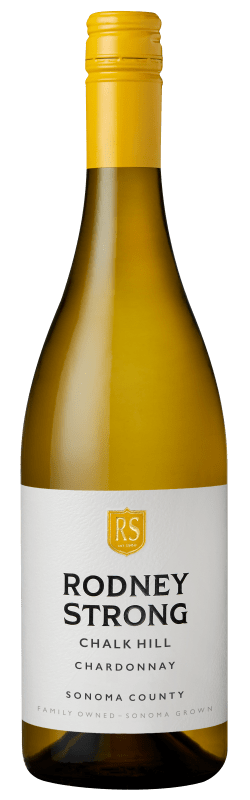


Winemaker Notes
Rodney Strong Chalk Hill Chardonnay offers crème brûlée, golden apple and piecrust aromas mix with layers of creamy oak. Flavors of poached pear and vanilla wafer overlie a rich, silky smooth texture with mineral-laced acidity, finishing with creamy oak and toasted hazelnut.
Professional Ratings
-
The Somm Journal
Rodney Strong was the first producer to plant Chardonnay in Sonoma County in 1962. The grapes for this wine, which senior VP of winegrowing and winemaking Justin Seidenfeld refers to as "Meursault-esque," grow in silica based volcanic soil, yielding small berries with a core of minerality. The fruit is whole cluster-pressed before spending 14 months in (36% new) French oak with monthly batonnage. "We get the wine out of the barrel and let [it] sit for four to five months to rest and recuperate"-or rather re-cooperate-"to harmonize and refresh," he explained. Harmony is indeed the right word. The wine's notes of caramel-coated pear with marzipan, butter pecan, and a midpalate highlight of nectarine and grapefruit add to the lush texutre on the tongue. A whoosh of toastiness complets the cycle.
-
Wine Enthusiast
The nose of this Chardonnay displays aromas of macerated apple, nectarine and cinnamon, with flavors of pithy lemon, barrel spice, white flowers and biscuit emerging on the richly textured but energetic palate. Drink now with crabcakes or grilled prawns.





Founded by wine industry pioneer, Rod Strong, in 1959, Rodney Strong Vineyards is now owned by the Kleins, a farming-based family that prides itself on land stewardship and a relentless push for superior wine quality from Sonoma County. After purchasing the company in 1989, Tom Klein began the endeavor that today brings together excellent vineyards, the industry's finest winemaking equipment, and exceptional talent. The winery farms and sources grapes from vineyards throughout Sonoma County, focusing on Alexander Valley, Russian River Valley and Chalk Hill. Rodney Strong Vineyards is best known for its estate-bottled and vineyard-designated wines, and is also recognized for their sustainable and Fish Friendly Farming, dedication to solar energy production and becoming carbon neutral in 2009.
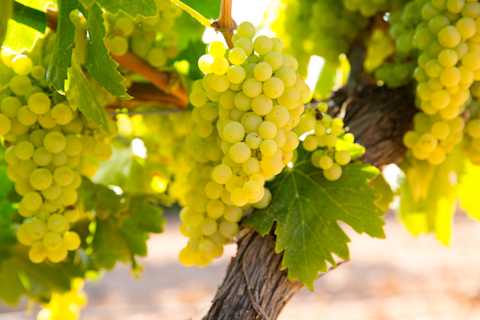
One of the most popular and versatile white wine grapes, Chardonnay offers a wide range of flavors and styles depending on where it is grown and how it is made. While it tends to flourish in most environments, Chardonnay from its Burgundian homeland produces some of the most remarkable and longest lived examples. California produces both oaky, buttery styles and leaner, European-inspired wines. Somm Secret—The Burgundian subregion of Chablis, while typically using older oak barrels, produces a bright style similar to the unoaked style. Anyone who doesn't like oaky Chardonnay would likely enjoy Chablis.
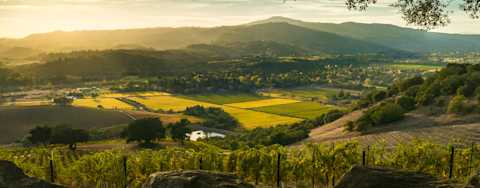
A Sonoma sub-appellation whose boundaries cover the northeastern corner of the Russian River Valley AVA, the Chalk Hill growing area is named after its unique chalky and white, volcanic ash soils. This terrain has proven successful with white varieties, namely Chardonnay and Sauvignon blanc.