


Winemaker Notes
A well-structured, long-lived wine with intense garnet red color. The aroma is intense and fruity with notes of cherry and prune and pleasant tones of cinnamon and toasted hazelnuts. The taste is austere, full, harmonious and pleasantly tannic, with a persistent finish.
Professional Ratings
-
James Suckling
Roses, blueberries and a touch of cedar. The medium- to full-bodied palate is refined, with fine-grained tannins that turn grippy towards the end, but there’s a wonderful thread of acidity, complemented by evenly distributed, fleshy fruit. Needs a couple of years to soften. Try from 2027.
-
Wilfred Wong of Wine.com
The 2021 Rocca Giovanni BAROLO presents an attractive brick-red color; intoxicating aromas of just-picked blackberries rise from the glass; firm and penetrating on the palate with an undercurrent of polished smoothness; finishes with lacey berry notes that linger with quiet authority—calling for a heroic Piemontese pairing of brasato al Barolo with white truffle over tajarin, where slow-braised beef, silk-thin egg pasta, and the haunting perfume of truffle meet the wine’s structure and depth, each element elevating the other into something timeless and profoundly satisfying. (Tasted: April 6, 2026, San Francisco, CA)
-
Wine Spectator
Camphor and tar notes surround a core of cherry and plum in this muscular red. This is fresh, and the fruit component persists on the finish. Needs a few years to absorb the tannins.


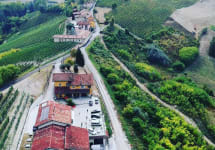
In Piedmont, Rocca Giovanni is a three-generation, family run winery that cultivates their estate with care, passion and authenticity. They respect the traditions and land, use only eco-friendly treatments in the vineyard and adhere to a sustainable and organic winemaking philosophy. Their impressive range of small production wines include Chardonnay, Barbera, Nebbiolo & several top rated Barolo’s. Rocca Giovanni’s winery consists of 22 hectares of vineyards located in the municipality of Monforte d'Alba Piedmont, a small village which is part of the eleven communes of Barolo of ancient origin which owes its fame to its beauty as well as its great wines.
For three generations, the Rocca family has cultivated their estate with care, passion and authenticity. Over the years the family transitioned from grape growers to producers. The patriarch Giovanni manages the winery with his wife Caterina and the help of oenologist Piero Ballario. Joined by their daughter Federica and son Maurizio the winery now produces about 80,000 bottles a year. From the beginning the company puts into practice a simple philosophy based on respect for tradition of the land and the winery using eco-friendly products for the treatments in the vineyard and a natural winemaking that reflects the lifestyle of the Rocca family. Thanks to the vineyard position (south-east), the successful exposure of the vineyards and the favorable microclimate of the Langhe; each harvest allows the winery to produce consistently excellent results.

Responsible for some of the most elegant and age-worthy wines in the world, Nebbiolo, named for the ubiquitous autumnal fog (called nebbia in Italian), is the star variety of northern Italy’s Piedmont region. Grown throughout the area, as well as in the neighboring Valle d’Aosta and Valtellina, it reaches its highest potential in the Piedmontese villages of Barolo, Barbaresco and Roero. Outside of Italy, growers are still very much in the experimentation stage but some success has been achieved in parts of California. Somm Secret—If you’re new to Nebbiolo, start with a charming, wallet-friendly, early-drinking Langhe Nebbiolo or Nebbiolo d'Alba.

The center of the production of the world’s most exclusive and age-worthy red wines made from Nebbiolo, the Barolo wine region includes five core townships: La Morra, Monforte d’Alba, Serralunga d’Alba, Castiglione Falletto and the Barolo village itself, as well as a few outlying villages. The landscape of Barolo, characterized by prominent and castle-topped hills, is full of history and romance centered on the Nebbiolo grape. Its wines, with the signature “tar and roses” aromas, have a deceptively light garnet color but full presence on the palate and plenty of tannins and acidity. In a well-made Barolo wine, one can expect to find complexity and good evolution with notes of, for example, strawberry, cherry, plum, leather, truffle, anise, fresh and dried herbs, tobacco and violets.
There are two predominant soil types here, which distinguish Barolo from the lesser surrounding areas. Compact and fertile Tortonian sandy marls define the vineyards farthest west and at higher elevations. Typically the Barolo wines coming from this side, from La Morra and Barolo, can be approachable relatively early on in their evolution and represent the “feminine” side of Barolo, often closer in style to Barbaresco with elegant perfume and fresh fruit.
On the eastern side of the Barolo wine region, Helvetian soils of compressed sandstone and chalks are less fertile, producing wines with intense body, power and structured tannins. This more “masculine” style comes from Monforte d’Alba and Serralunga d’Alba. The township of Castiglione Falletto covers a spine with both soil types.
The best Barolo wines need 10-15 years before they are ready to drink, and can further age for several decades.