

Winemaker Notes
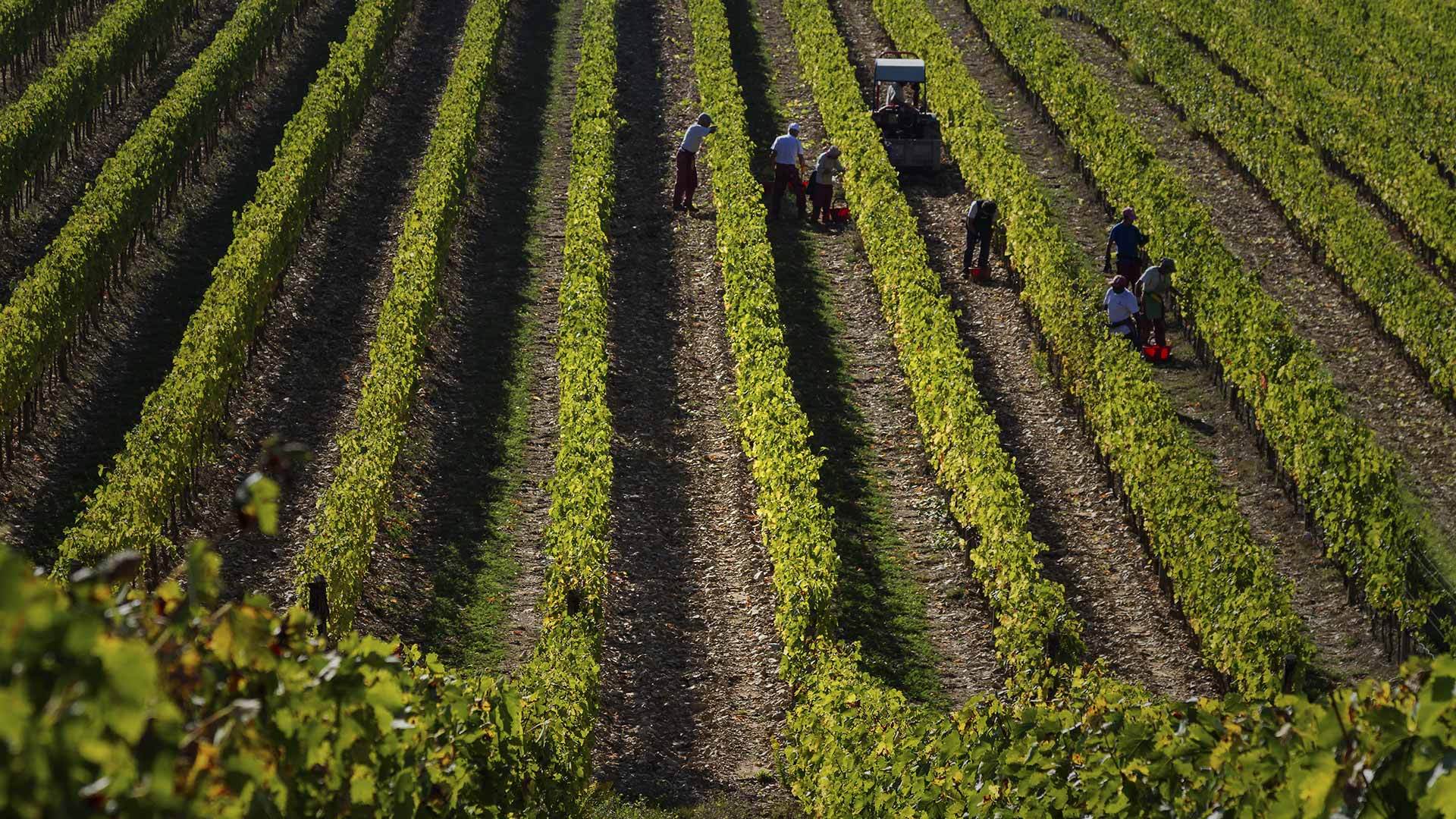




For well over 40 years the Zingarelli family has dedicated themselves to Tuscany's Rocca delle Macìe, crafting the finest wines, providing meticulous attention to the vineyards, and championing Chianti Classico DOC. One of the most successful producers of Chianti Classico in the world, Rocca delle Macìe is a family-owned winery with family values.
When the late Italo Zingarelli, a successful film producer best known for his popular spaghetti westerns, bought Rocca delle Macìe in Tuscany's Chianti Classico district in 1973, he embarked on a new career as one of Tuscany's more unlikely wine producers. Working closely with his son Sergio, Zingarelli set about restoring the property that Sergio, together with his wife Daniela and their two children, now call home.
Today, the Zingarelli family, led by Sergio, aims to produce elegant wines that are always expressive of their unique terroir. Sergio, a two-time chairman of the of the Chianti Classico Consorzio, is a strong advocate for the terroir of Chianti Classico and the Sangiovese grape; Rocca delle Macìe is one of the few Tuscan wineries with a DOCG at the very top of their quality pyramid.

With hundreds of red grape varieties to choose from, winemakers have the freedom to create a virtually endless assortment of blended red wines. In many European regions, strict laws are in place determining the set of varieties that may be used, but in the New World, experimentation is permitted and encouraged resulting in a wide variety of red wine styles. Blending can be utilized to enhance balance or create complexity, lending different layers of flavors and aromas. For example, a red wine blend variety that creates a fruity and full-bodied wine would do well combined with one that is naturally high in acidity and tannins. Sometimes small amounts of a particular variety are added to boost color or aromatics. Blending can take place before or after fermentation, with the latter, more popular option giving more control to the winemaker over the final qualities of the wine.
How to Serve Red Wine
A common piece of advice is to serve red wine at “room temperature,” but this suggestion is imprecise. After all, room temperature in January is likely to be quite different than in August, even considering the possible effect of central heating and air conditioning systems. The proper temperature to aim for is 55° F to 60° F for lighter-bodied reds and 60° F to 65° F for fuller-bodied wines.
How Long Does Red Wine Last?
Once opened and re-corked, a bottle stored in a cool, dark environment (like your fridge) will stay fresh and nicely drinkable for a day or two. There are products available that can extend that period by a couple of days. As for unopened bottles, optimal storage means keeping them on their sides in a moderately humid environment at about 57° F. Red wines stored in this manner will stay good – and possibly improve – for anywhere from one year to multiple decades. Assessing how long to hold on to a bottle is a complicated science. If you are planning long-term storage of your reds, seek the advice of a wine professional.

One of the first wine regions anywhere to be officially recognized and delimited, Chianti Classico is today what was originally defined simply as Chianti. Already identified by the early 18th century as a superior zone, the official name of Chianti was proclaimed upon the area surrounding the townships of Castellina, Radda and Gaiole, just north of Siena, by Cosimo III, Grand Duke of Tuscany in an official decree in 1716.
However, by the 1930s the Italian government had appended this historic zone with additonal land in order to capitalize on the Chianti name. It wasn’t until 1996 that Chianti Classico became autonomous once again when the government granted a separate DOCG (Denominazione di Origine Controllata e Garantita) to its borders. Ever since, Chianti Classico considers itself no longer a subzone of Chianti.
Many Classicos are today made of 100% Sangiovese but can include up to 20% of other approved varieties grown within the Classico borders. The best Classicos will have a bright acidity, supple tannins and be full-bodied with plenty of ripe fruit (plums, black cherry, blackberry). Also common among the best Classicos are expressive notes of cedar, dried herbs, fennel, balsamic or tobacco.