

Winemaker Notes
Blend: 90% Syrah, 10% Cabernet Sauvignon
Professional Ratings
-
Robert Parker's Wine Advocate
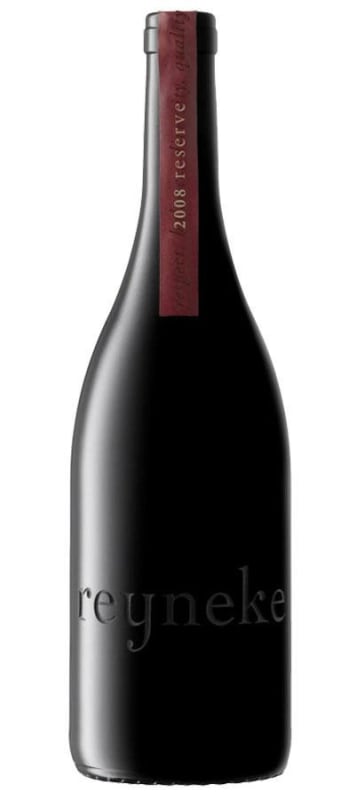
A blend of 90% Syrah and 10% Cabernet Sauvignon with 25% whole bunch ferments crushed by foot, aged in 225-casks with 80% new oak for 22 months, the 2008 Reserve Red has an engaging bouquet that is so fresh and vibrant. Red berries soar from the glass with beautifully integrated, barely noticeable oak. The palate is full-bodied with very fine, edgy seamless tannins with a gentle grip on the dark berry, slightly gamey finish. Drinking beautifully now, this should age well for several years.
-
Wine Enthusiast
This Shiraz-based blend, with 10% Cabernet Sauvignon, is bold and layered, taking time to unfold and develop in the glass. Blackberry, currant and wild raspberry notes lead the bouquet, but additional accents of game and herbs unfold and mount in intensity. Flavors of red cherry and currant fill the palate, with hints of fynbos, cocoa and licorice stick staying well into the long finish. Firmly structured, with gripping tannins and concentrated flavors.
-
Wine Spectator
Dark and nicely integrated, with layers of fig paste, black currant preserves and roasted espresso that move seamlessly through the briar- and mocha-tinged finish. A delicious wine, with nice length. Syrah and Cabernet Sauvignon.


Marked by an unmistakable deep purple hue and savory aromatics, Syrah makes an intense, powerful and often age-worthy red. Native to the Northern Rhône, Syrah achieves its maximum potential in the steep village of Hermitage and plays an important component in the Red Rhône Blends of the south, adding color and structure to Grenache and Mourvèdre. Syrah is the most widely planted grape of Australia and is important in California and Washington. Sommelier Secret—Such a synergy these three create together, the Grenache, Syrah, Mourvedre trio often takes on the shorthand term, “GSM.”

With an important wine renaissance in full swing, impressive red and white bargains abound in South Africa. The country has a particularly long and rich history with winemaking, especially considering its status as part of the “New World.” In the mid-17th century, the lusciously sweet dessert wines of Constantia were highly prized by the European aristocracy. Since then, the South African wine industry has experienced some setbacks due to the phylloxera infestation of the late 1800s and political difficulties throughout the following century.
Today, however, South Africa is increasingly responsible for high-demand, high-quality wines—a blessing to put the country back on the international wine map. Wine production is mainly situated around Cape Town, where the climate is generally warm to hot. But the Benguela Current from Antarctica provides brisk ocean breezes necessary for steady ripening of grapes. Similarly, cooler, high-elevation vineyard sites throughout South Africa offer similar, favorable growing conditions.
South Africa’s wine zones are divided into region, then smaller districts and finally wards, but the country’s wine styles are differentiated more by grape variety than by region. Pinotage, a cross between Pinot Noir and Cinsault, is the country’s “signature” grape, responsible for red-fruit-driven, spicy, earthy reds. When Pinotage is blended with other red varieties, like Cabernet Sauvignon, Merlot, Syrah or Pinot Noir (all commonly vinified alone as well), it is often labeled as a “Cape Blend.” Chenin Blanc (locally known as “Steen”) dominates white wine production, with Chardonnay and Sauvignon Blanc following close behind.