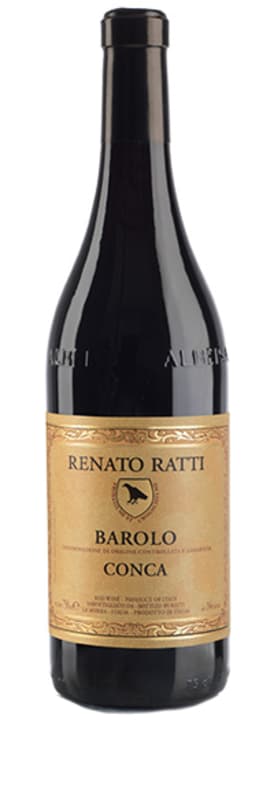


Winemaker Notes
Garnet red. A delicate and persistent bouquet with traces of licorice, mint and Lebanese cedar pine. Mineral, full flavored, warm and agreeable tannic.
Professional Ratings
-
James Suckling
Very floral with lavender, violets and dark fruit. Medium-to full-bodied with tannins that build on the palate, particularly the middle palate. Very long and intense. Transparent fruit and evident terroir here. Try after 2025.
-
Robert Parker's Wine Advocate
With fruit from La Morra where this historic winery is located, the Renato Ratti 2017 Barolo Conca is balanced and quite elegant, showing no overt signs of ripeness that could be expected of this hot and dry vintage. This bottle circumnavigates those hot-vintage pitfalls with graceful coordination. Wild cherry, crushed flowers, smoke, tart and crushed flint all emerge from the bouquet. The wine shows sweet fruit, but there is an equally measured point of salinity to balance it out. If anything, the mouthfeel in 2017 is a bit drier compared to past vintages.
-
Wine Enthusiast
Blue flower, botanical herb and French oak aromas come to the forefront. The full-bodied, elegantly structured palate offers dried cherry, pomegranate, licorice and crushed mint framed in taut, close-grained tannins. A mineral note evoking saline lingers on the firm finish. LUX Wines.
-
Wine & Spirits
This wine smells fresh and floral, its rose-petal scents joined by hints of mint. The red-fruit flavors are ripe and bold, laced with notes of licorice and sweet spice gained during two years of aging in French oak barriques. The smooth, polished texture offers some immediate appeal, but give the wine a few years in the cellar for those oak-derived notes to integrate.
-
Wine Spectator
This is aromatic, with cut hay, sweet spice and tobacco framing the core flavors of cherry, strawberry and iron. Nicely balanced and long, with the fruit and savory notes persisting on the finish.
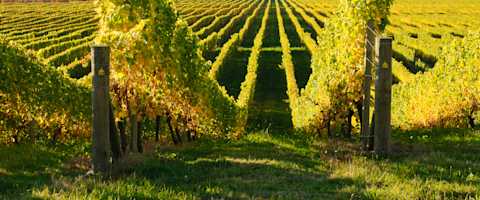
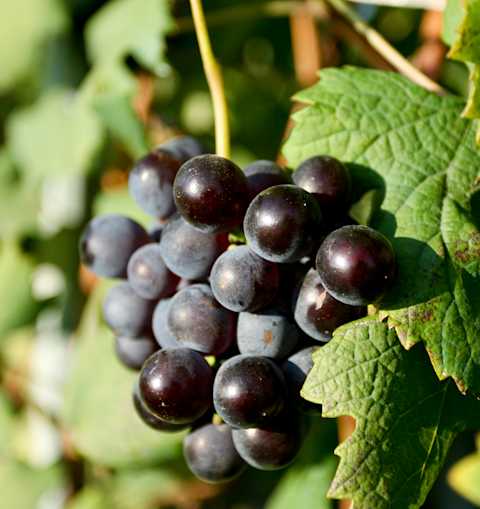
Responsible for some of the most elegant and age-worthy wines in the world, Nebbiolo, named for the ubiquitous autumnal fog (called nebbia in Italian), is the star variety of northern Italy’s Piedmont region. Grown throughout the area, as well as in the neighboring Valle d’Aosta and Valtellina, it reaches its highest potential in the Piedmontese villages of Barolo, Barbaresco and Roero. Outside of Italy, growers are still very much in the experimentation stage but some success has been achieved in parts of California. Somm Secret—If you’re new to Nebbiolo, start with a charming, wallet-friendly, early-drinking Langhe Nebbiolo or Nebbiolo d'Alba.

The center of the production of the world’s most exclusive and age-worthy red wines made from Nebbiolo, the Barolo wine region includes five core townships: La Morra, Monforte d’Alba, Serralunga d’Alba, Castiglione Falletto and the Barolo village itself, as well as a few outlying villages. The landscape of Barolo, characterized by prominent and castle-topped hills, is full of history and romance centered on the Nebbiolo grape. Its wines, with the signature “tar and roses” aromas, have a deceptively light garnet color but full presence on the palate and plenty of tannins and acidity. In a well-made Barolo wine, one can expect to find complexity and good evolution with notes of, for example, strawberry, cherry, plum, leather, truffle, anise, fresh and dried herbs, tobacco and violets.
There are two predominant soil types here, which distinguish Barolo from the lesser surrounding areas. Compact and fertile Tortonian sandy marls define the vineyards farthest west and at higher elevations. Typically the Barolo wines coming from this side, from La Morra and Barolo, can be approachable relatively early on in their evolution and represent the “feminine” side of Barolo, often closer in style to Barbaresco with elegant perfume and fresh fruit.
On the eastern side of the Barolo wine region, Helvetian soils of compressed sandstone and chalks are less fertile, producing wines with intense body, power and structured tannins. This more “masculine” style comes from Monforte d’Alba and Serralunga d’Alba. The township of Castiglione Falletto covers a spine with both soil types.
The best Barolo wines need 10-15 years before they are ready to drink, and can further age for several decades.