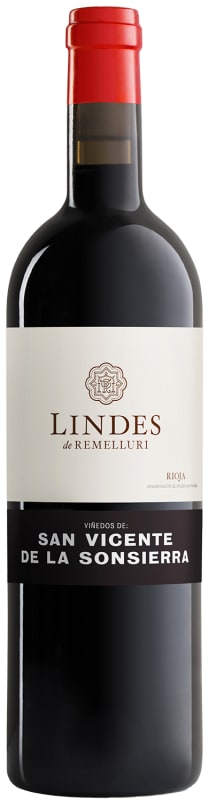


Winemaker Notes
In the cellar, rather than using winemaking and technique to transform the wines, they aim for consistency across the range to guide each expression to reach the full potential of the place. Telmo describes the Lindes winemaking as a “winery in the back, village in the front.” Grapes for Lindes are hand-harvested in small crates and spontaneously fermented with native yeasts in stainless steel. The wine undergoes spontaneous malolactic fermentation and is aged 12 months in oak barrels of various provenance, size, and age.
Professional Ratings
-
James Suckling
This is defined by the steely and spicy edges to the aromas and flavors of chalky black cherries, violets and blackberries. Firm, dusty tannins coat the medium- to full-bodied palate, with mineral tension at the end. Drink or hold.
-
Robert Parker's Wine Advocate
One of the two wines first produced in 2010 in this project, the 2021 Viñedos de San Vicente de la Sonsierra was produced with grapes from three families, a total of 4.2 hectares. It is fruit-driven and has a sense of high ripeness despite the 13.7% alcohol, with some earthy sensations, giving it a rustic twist and dusty tannins.
-
Vinous
The 2021 Lindes de Remelluri Viñedos de San Vicente de La Sonsierra combines 88% Tempranillo, 10% Garnacha and 2% other varieties from parcels stretching between San Vicente and the foothills of the Sierra. Aromatically vibrant, it delivers cherry, sour cherry, lavender, herbs and a flourish of orange peel before plush tannins shape a savory, sustained finish with a touch of grip. The 2021 is a rich, vivid expression of the Sonsierra.


Hailed as the star red variety in Spain’s most celebrated wine region, Tempranillo from Rioja, or simply labeled, “Rioja,” produces elegant wines with complex notes of red and black fruit, crushed rock, leather, toast and tobacco, whose best examples are fully capable of decades of improvement in the cellar.
Rioja wines are typically a blend of fruit from its three sub-regions: Rioja Alta, Rioja Alavesa and Rioja Oriental, although specific sub-region (zonas), village (municipios) and vineyard (viñedo singular) wines can now be labeled. Rioja Alta and Alavesa, at the highest elevations, are considered to be the source of the brightest, most elegant fruit, while grapes from the warmer and drier, Rioja Oriental, produce wines with deep color, great body and richness.