
Winemaker Notes
Professional Ratings
-
Robert Parker's Wine Advocate
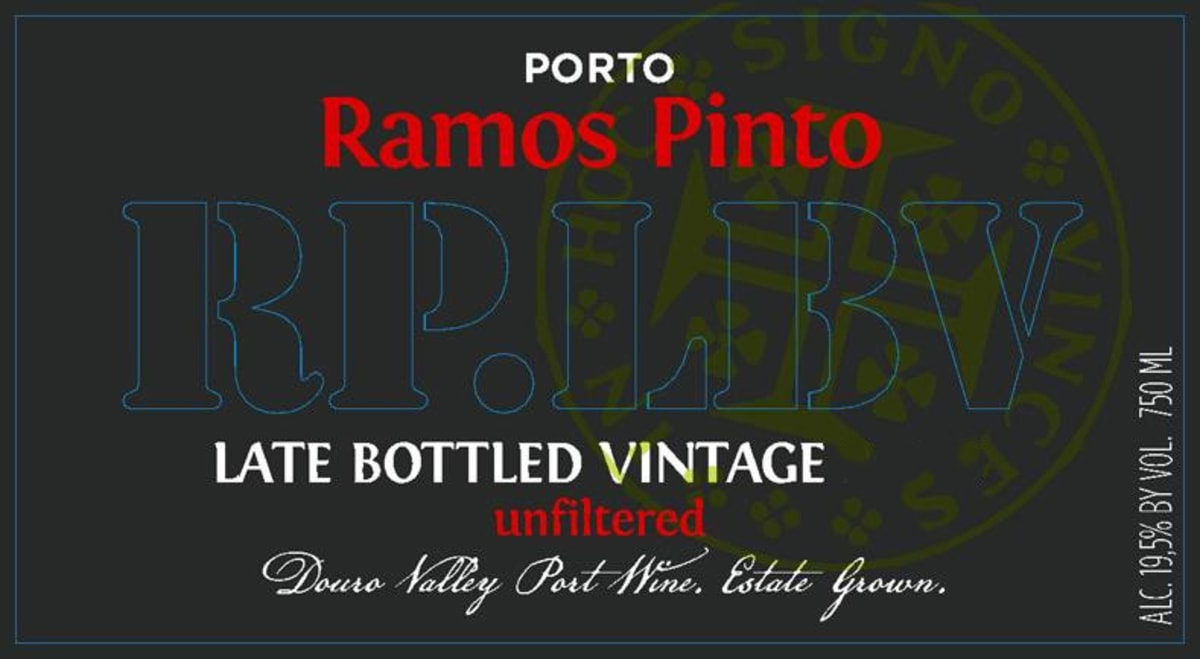
The 2009 Late Bottled Vintage Port, bottled in November, 2013, is a blend of 70% Touriga Nacional and 25% Touriga Franca, plus some dollops of Sousão and Tinta da Barca. It comes in at 94 grams per liter of residual sugar. Compared to its older predecessors in this vertical, this was rather hard to drink until it was retried a few days later. The mid-palate concentration is about the same, but the power on this youthful wine is another issue. The tannins are rather drying and aggressive on first pour, even if the big fruit is also front-and-center. It is certainly a very different vision of LBV Port than a lot of people will be accustomed to, but it does begin to come around with extended aeration (and a couple of days in the fridge). Fragrant and laced with strong fruit flavors, this ultimately showed beautifully. It really needs some more time in the cellar, but it is approachable if you give it some aeration.
-
Wine Enthusiast
Beautifully perfumed, this has ripe blackberry flavors and a relatively dry character. The spirit is now well balanced, giving a backbone to the violet aromas and spicy character of this still-young LBV. It is good to drink now for its fruit, but it will improve and show more complex flavors after 2017–2018.



Founded by Adriano Ramos Pinto in 1880, Casa Ramos Pinto rapidly became noted, at the time, for its innovative and enterprising strategy. Associated with quality bottled wines, it began operating on the Brazilian market in the early 20th century and quickly became responsible for half of the wine exported to South America, whilst it was still conquering generations of loyal customers in Portugal and Europe. These were the natural results of a forward thinking strategy, based on the modernisation of selection, batching and ageing circuits, and the special care which Adriano Ramos Pinto devoted to the packaging and promotion of his wines.
Aware that the quality of its wines were confined to the earth of the wine producing Douro, Casa Ramos Pinto meticulously studied this Demarcated Region, and eventually became the owners of a number of estates with very special characteristics. The objective was to ensure the control and quality of the whole production process. By perfecting its wines, Ramos Pinto created unique nectars with its own signature.
In 1990, Casa Ramos Pinto became part of the Roederer Group, whose history has identical characteristics. The qualities that gave fame to Casa Ramos Pinto now took on an international dimension.

Port is a sweet, fortified wine with numerous styles: Ruby, Tawny, Vintage, Late Bottled Vintage (LBV), White, Colheita, and a few unusual others. It is blended from from the most important red grapes of the Douro Valley, based primarily on Touriga Nacional with over 80 other varieties approved for use. Most Ports are best served slightly chilled at around 55-65°F. To learn more, see our full Port Wine Guide

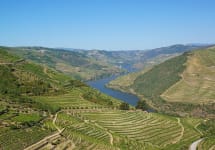
The home of Port—perhaps the most internationally acclaimed beverage—the Douro region of Portugal is one of the world’s oldest delimited wine regions, established in 1756. The vineyards of the Douro, set on the slopes surrounding the Douro River (known as the Duero in Spain), are incredibly steep, necessitating the use of terracing and thus, manual vineyard management as well as harvesting. The Douro's best sites, rare outcroppings of Cambrian schist, are reserved for vineyards that yield high quality Port.
While more than 100 indigenous varieties are approved for wine production in the Douro, there are five primary grapes that make up most Port and the region's excellent, though less known, red table wines. Touriga Nacional is the finest of these, prized for its deep color, tannins and floral aromatics. Tinta Roriz (Spain's Tempranillo) adds bright acidity and red fruit flavors. Touriga Franca shows great persistence of fruit and Tinta Barroca helps round out the blend with its supple texture. Tinta Cão, a fine but low-yielding variety, is now rarely planted but still highly valued for its ability to produce excellent, complex wines.
White wines, generally crisp, mineral-driven blends of Arinto, Viosinho, Gouveio, Malvasia Fina and an assortment of other rare but local varieties, are produced in small quantities but worth noting.
With hot summers and cool, wet winters, the Duoro has a maritime climate.