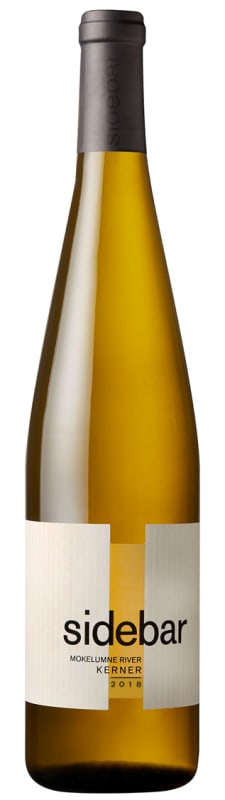


Winemaker Notes
Dry, aromatic wine that’s gently floral and spicy with a crisp, medium bodied finish that is brightened by bracing acidity.The 2018 season was exemplary. Spring was drier than in 2017 and after two years of poor set, consistently mild weather led to good berry set. Higher cluster counts than the low yielding years of 2015-2017 coupled with cooler late summer temperatures brought longer hangtimes, with harvest dates about two weeks later than the previous vintage.
Professional Ratings
-
Jeb Dunnuck
The 2018 Kerner Mokelumne River is a juicy, medium-bodied effort that has bright acidity as well as delicious lime and tart citrus aromas and flavors. It’s a beautifully balanced, outstanding white from Lodi to drink over the coming year or so.




David Ramey is among a distinguished group of pioneering American vintners who revolutionized modern-day winemaking and elevated California to the forefront of the international wine community. Hailed as “Professor Chardonnay” by Wine Spectator, David's groundbreaking work with indigenous yeasts, sur lies aging and malolactic and barrel fermentation yielded a new California Chardonnay style that was richer, more lush and silky smooth. Ramey Wine Cellars crafts exceptional expressions of Chardonnay, Cabernet Sauvignon, Syrah, and Pinot Noir from top vineyards in Sonoma and Napa.
After earning a graduate degree at UC Davis, with his thesis on how aromas evolve in wine, David Ramey pursued a hands-on education in Old World winemaking traditions. He worked at Chateau Pétrus and would later apply these time-honored methods to California’s premier vineyards. In California, David led winemaking for Matanzas Creek, Chalk Hill, Dominus Estate and Rudd Estate. In 1996, David and his wife Carla founded Ramey Wine Cellars with the vision of crafting classically styled, elegant and balanced wines that age beautifully.
Still exclusively owned by the Rameys, the next generation, Claire and Alan Ramey, became co-presidents of the winery in 2021. Claire and Alan began working at the winery in 2013 and have been cross-trained in all aspects of winery operations. Decanter greeted the news of Ramey’s status as a multigenerational winery by saying: "its reputation as a touchstone for world-class Chardonnay remains firmly in place… The Ramey family is expected to go from strength to strength." The vision is unwavering: to make classic wines from Sonoma and Napa that belong amongst the world's best. Tastings are offered by appointment in Healdsburg.

There are hundreds of white grape varieties grown throughout the world. Some are indigenous specialties capable of producing excellent single varietal wines. Each has its own distinct viticultural characteristics, as well as aroma and flavor profiles.

Positioned between the San Francisco Bay and the Sierra Nevada mountain range, the Lodi appellation, while relatively far inland, is able to maintain a classic Mediterranean climate featuring warm, sunny days and cool evenings. This is because the appellation is uniquely situated at the end of the Sacramento River Delta, which brings chilly, afternoon “delta breezes” to the area during the growing season.
Lodi is a premier source of 100+ year old ancient Zinfandel vineyards—some dating back as far as 1888! With low yields of small berries, these heritage vines produce complex and bold wines, concentrated in rich and voluptuous, dark fruit.
But Lodi doesn’t just produce Zinfandel; in fact, the appellation produces high quality wines from over 100 different grape varieties. Among them are Cabernet Sauvignon, Merlot, Chardonnay and Sauvignon blanc as well as some of California's more rare and unique grapes. Lodi is recognized as an ideal spot for growing Spanish varieties like Albarino and Tempranillo, Portugese varieties—namely Touriga Nacional—as well as many German, Italian and French varieties.
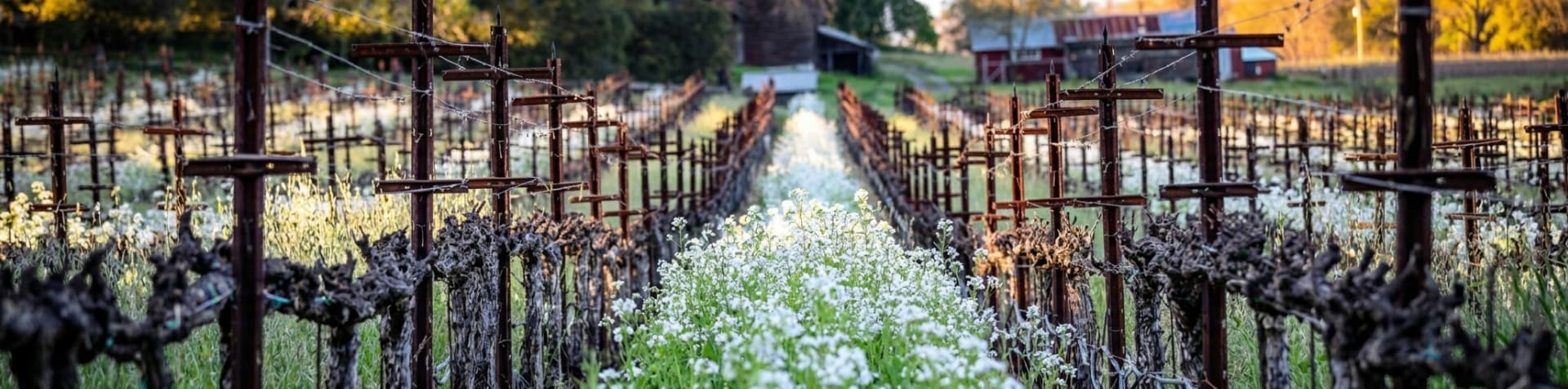
Soil types vary widely among Lodi’s seven sub-appellations (Cosumnes River, Alta Mesa, Deer Creek Hills, Borden Ranch, Jahant, Clements Hills and Mokelumne River). The eastern hills are clay-based and rocky and in the west, along the Mokelumne and Cosumnes Rivers, sandy and mineral-heavy soils support the majority of Lodi’s century-old own-rooted Zinfandel vineyards. Unique to Lodi are pink Rocklin-Jahant loam soils, mainly found in the Jahant sub-appellation.